
"Big data" is in the news every day
Big data refers to massive, complex data sets structured, unstructured, and semi-structured data.
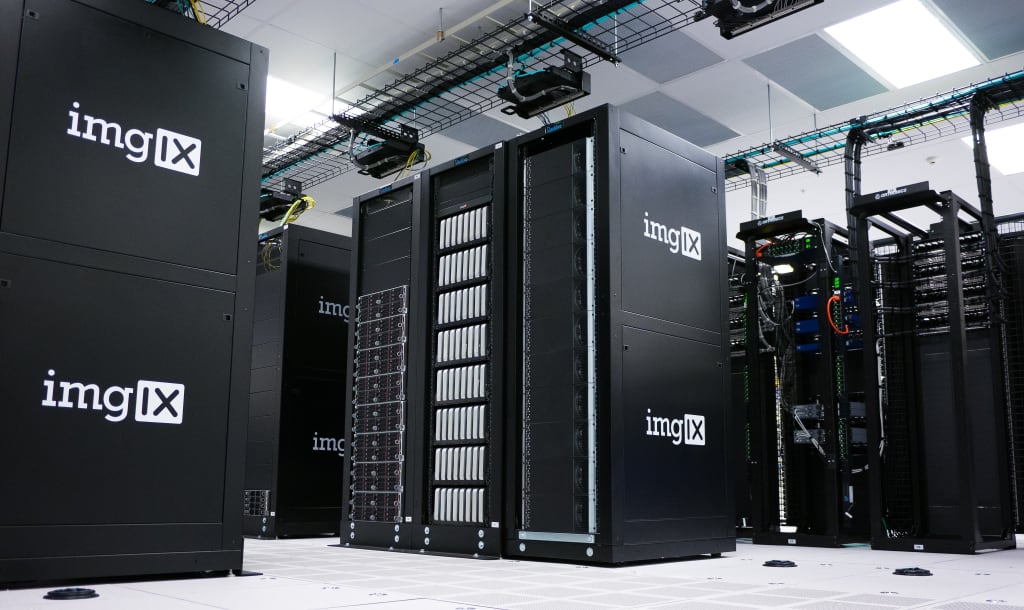
Big data is one of the most important businesses and government developments of the 21st century, but there are serious security and privacy issues that prevent it from growing as fast as it could. Big data solutions include Aerospace & Defense, Automotive, Consumer Products, Financial Services, Healthcare, High Tech, Life Sciences, Industrial Machinery & Components, Manufacturing, Public Sector, Sports and Entertainment, Infrastructure, etc. It seems that "big data" is in the news every day, as we read about the latest examples of the power of algorithms to reveal hidden connections between seemingly unrelated things.
Whether it's being used by the NSA to fight terrorism or online retailers are predicting consumer shopping behavior, big data is changing our environment, constantly changing the economy. . , science, culture, and our way of thinking. But it also brings new threats, from the end of privacy as we know it to the prospect of being punished for things we haven't even done, based on big data's ability to predict our future behavior. What we have really imagined, visualized or seen so far is only the tip of the iceberg.
The technical and management challenges associated with using big data are real. Successful companies in the next decade will be those whose leaders can do all this while changing the way their organizations make many decisions.
1. Walmart, the world's largest retailer, uses data analysis to determine which shelves its products should be placed on to maximize revenue.
2. Amazon, the world's largest e-commerce company, uses its customers' browsing habits to develop an algorithm that provides customized product recommendations on its website.
3. Google uses accumulated data to create trends: Google Trends is probably the easiest way to use Big Data. Google uses historical data to create models that learn from users and deliver more relevant search results.
4. Big Data is also used in humanitarian crises: epidemiologists use call data records (CDRs) generated by mobile phones to trace the spread of diseases such as Ebola in East Africa. Also the 2009 swine flu in Mexico.
5. Big data can help save lives. With dengue fever spreading to more than 100 countries and malaria still killing a million people every year, there is a world to conquer. Big data can help predict disease outbreaks and save lives.
6. Big Data Improves User Experience: Big data applications are starting to be used to improve user experience by predicting the user's next action, an idea based on the needs of web applications. is increasing.
7. Internet of Things and its use: these requirements have been pushed forward by the adoption of mobile technology and the emergence of the Internet of Things. Today's Internet giants (Amazon, Facebook, Google, Yahoo) are big data consumers. Some describe Google as a sustainable future, compared to everyone else.
8. Helps identify credit card errors: When analyzing social media data, credit card companies found a strong correlation between credit card errors and customers registering on Facebook.
9. Southwest Airlines and Big Data: Southwest Airlines is a new airline that uses the latest technology and systems to improve its organization, create better services and products, increase customer satisfaction and improve flight safety. Thanks to big data, they are able to understand how their customers use the different products they offer and manage them, which translates into more money for SAFCU and higher employee satisfaction.
10. Integrating big data and GIS: GM integrates big data, analytics and geographic information systems (GIS) to demonstrate sales performance. Also, the company grants these rights to its resellers.
11. Helps manage unstructured data: Big data collection also brings unstructured data into the field, insights gained from social media, blogs, videos, and other sources.
12. Hadoop enables big data to build predictive models: Consumer-facing websites, from online banking to e-commerce, use data collected in systems like Hadoop to build predictive models that help businesses understand how the user will behave in response to specific offers or content.
Conclusion:
Data can suggest strategies, support claims, and reduce human error in the decision-making process. But, let's face it. It is always human decisions and human plans that turn the wheel. When it comes to handling data, don't overlook safety and security measures such as storage and billing. A properly configured repository can improve data protection and recovery, aid research and eDiscovery efforts, and save money by intelligently moving data from expensive back-end storage systems. New technologies such as NoSQL, MPP databases and Hadoop have emerged to meet the challenges of Big Data and allow the industry to offer new types of products and services. From governments and airlines to car rental companies, insurance companies and banks, big data is changing the way we understand the world, do business and implement public policy. As more companies realize the benefits of implementing big data initiatives, more services will emerge to support them. Big data will eventually create the final link to the value proposition that will help companies increase their efficiency from existing investments.
About the Creator
Keep reading
More stories from Raj Kosaraju and writers in Journal and other communities.




Comments
There are no comments for this story
Be the first to respond and start the conversation.