
Beyond Wiring: The Growing Role of Electricians in Smart Home Installation and Automation
The rapid advancement of technology has transformed the way we interact with our homes, and with it, the role of electricians is undergoing a significant change.
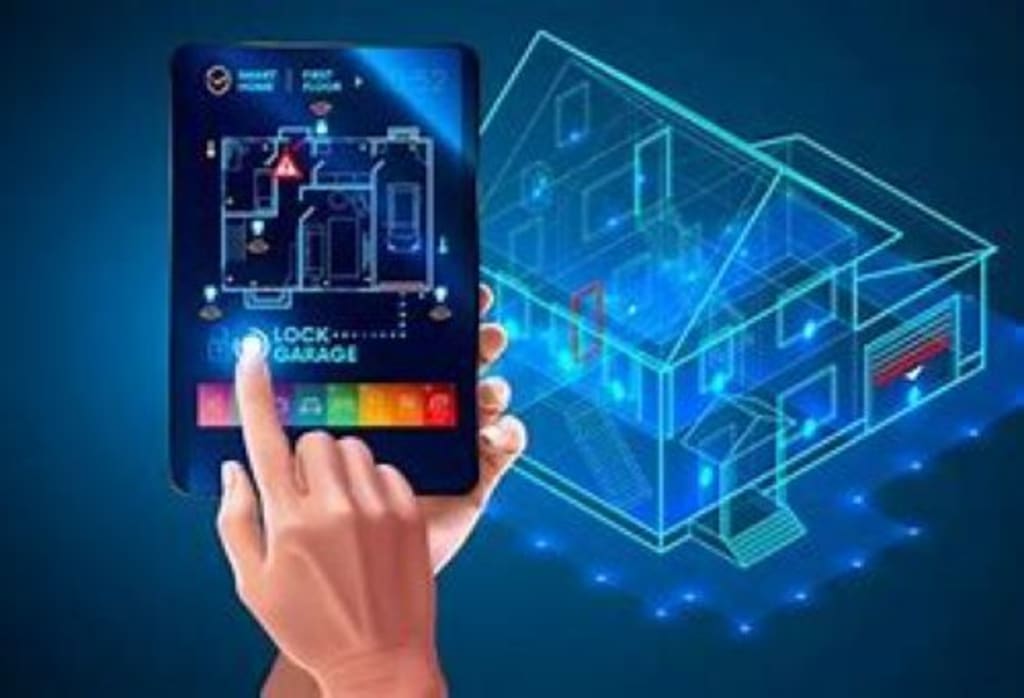
The rapid advancement of technology has transformed the way we interact with our homes, and with it, the role of electricians is undergoing a significant change. Traditionally, electricians were primarily concerned with the installation, repair, and maintenance of electrical wiring and systems. However, as the world embraces smart homes and automation, electricians are stepping into new roles, expanding their expertise beyond wiring to include cutting-edge home automation technologies. From installing smart devices to integrating complex systems, electricians are now essential players in the creation of connected, automated living spaces.
The Rise of Smart Homes
Smart homes are revolutionizing how we live, offering enhanced convenience, security, energy efficiency, and entertainment. According to a report from Statista, the global smart home market size was valued at approximately $79 billion in 2022 and is projected to grow at a 22.5% CAGR from 2023 to 2030. This boom in smart home technology has spurred demand for skilled professionals who can install, maintain, and troubleshoot these systems.
Smart homes are equipped with a wide range of devices and appliances that can be controlled remotely, automated to perform tasks at specific times, and integrated into a cohesive system. These devices include smart lighting, thermostats, security cameras, door locks, voice assistants, and home entertainment systems. Electricians, once only involved in basic wiring, are now called upon to ensure that these devices are properly connected, functional, and integrated seamlessly with each other.
The Evolving Role of Electricians
1.Installation and Wiring for Smart Devices
While the core skills of an electrician—wiring and electrical safety—remain essential, the installation of smart devices requires additional expertise. Smart devices such as smart thermostats, voice-controlled lighting, and automated door locks require proper installation and configuration. Electricians are responsible for ensuring these devices are connected to the home’s electrical systems and powered correctly, without causing any interference with existing wiring.
Statistical Insight:
57% of smart home device owners say they rely on professionals for installation. (Statista, 2023)
Electricians need to have an in-depth understanding of the device specifications, as each device may require a different type of electrical connection. For instance, smart thermostats may need an additional common wire (C-wire) for constant power, while smart bulbs may require specific wiring for dimming functionality.
2.Smart Home System Integration
Smart homes are often made up of multiple devices that need to communicate with each other. This requires integration of various technologies like Zigbee, Z-Wave, Wi-Fi, and Bluetooth. Electricians play a crucial role in ensuring that all these devices work in harmony, which may require additional infrastructure, such as routers or hubs, to handle the communications between devices.
The integration of smart systems goes beyond just plugging devices in; it involves connecting them to a central control system, such as a smartphone app or a smart speaker like Amazon Echo or Google Home. Electricians must ensure that these systems are configured to operate efficiently, with proper wiring, network connections, and integration between different platforms.
Statistical Insight:
75% of homeowners planning to install smart home technologies will seek professional help to set up and integrate devices. (HomeAdvisor, 2022)
3.Energy Efficiency and Sustainability
One of the most popular reasons for investing in smart home technology is the promise of increased energy efficiency. Devices like smart thermostats, energy-efficient lighting, and automated shading systems allow homeowners to reduce energy consumption. Electricians are not only tasked with installing these devices but also educating homeowners about how to optimize their use for maximum energy savings.
In fact, research by the Department of Energy shows that smart thermostats can reduce heating and cooling costs by 10–12%. Additionally, energy-efficient smart lighting systems can reduce energy use by up to 75% compared to traditional incandescent bulbs. As energy-saving systems continue to gain traction, electricians will be at the forefront of implementing these green technologies.
4.Smart Security Systems
Security is another area where electricians are making a significant impact. Smart security systems, such as surveillance cameras, motion detectors, doorbell cameras, and smart locks, are becoming essential for homeowners. Electricians are responsible for not only installing these devices but also integrating them into the home’s existing security infrastructure.
Smart security systems offer advanced features such as remote monitoring, motion detection, facial recognition, and instant alerts. Electricians must ensure these systems are set up correctly and that they are connected to the home’s network, ensuring that the homeowner can access the system via mobile devices or web portals.
5.Troubleshooting and Maintenance
As with any technology, smart devices can experience issues, ranging from connectivity problems to device malfunctions. Electricians are now becoming the go-to professionals for troubleshooting these systems, as they have the expertise to diagnose and repair wiring, power issues, and device integration problems.
Regular maintenance is also crucial to ensure that all smart home devices function optimally. Electricians will need to periodically inspect and update the systems, check for software updates, and make adjustments to settings as needed. As smart homes evolve, electricians will continue to play a key role in maintaining and upgrading these systems.
How Electricians Are Adapting to the Smart Home Trend
To stay relevant in this rapidly changing landscape, electricians are taking proactive steps to enhance their skill sets and certifications in home automation and smart technologies.
1.Specialized Training
Many electricians are pursuing additional training and certifications to become proficient in smart home installation and automation. Programs such as the Smart Home Technician Certification and Home Automation Design Specialist certification provide electricians with the necessary skills to install and maintain smart home systems effectively. These programs cover a wide range of topics, including low-voltage wiring, system integration, and troubleshooting techniques.
2.Collaboration with Other Professionals
As the smart home industry grows, electricians are increasingly collaborating with other professionals such as homebuilders, interior designers, and IT specialists. These collaborations allow electricians to stay involved in the design and installation process from the early stages, ensuring that smart systems are integrated seamlessly into the home’s overall layout and electrical infrastructure.
FAQs About Electricians and Smart Home Installation
Q1: Do I need an electrician to install my smart home devices?
Yes, it is highly recommended to hire a licensed electrician for the installation of smart home devices, especially if the devices require integration with the home’s electrical system. Electricians can ensure the devices are installed correctly, wired safely, and integrated with the home’s existing infrastructure.
Q2: What smart home systems require an electrician’s assistance?
Smart lighting, thermostats, door locks, home security systems, and advanced entertainment setups often require the expertise of an electrician. Devices that require additional wiring or integration with your home’s electrical system should be installed by a professional.
Q3: How can I ensure my home is smart home-ready?
Consult with an electrician to assess your current electrical infrastructure. They can help you determine whether your wiring, circuit capacity, and electrical panel are sufficient to support the installation of smart devices.
Q4: What are the benefits of having an electrician install my smart home system?
Hiring an electrician ensures that your smart home devices are installed safely, integrated properly, and wired correctly to avoid potential electrical issues. They also provide long-term maintenance and troubleshooting services to keep your system running smoothly.
The Future of Electricians in Smart Home Technology
As smart home technology continues to evolve, the role of electricians will only become more integral to the process. From installing the latest home automation devices to ensuring seamless system integration, electricians are crucial to making smart homes a reality. As the demand for smart homes grows, electricians will continue to enhance their skill sets and contribute to the ongoing evolution of residential technology. The future is bright for electricians in the smart home industry, and with the right training and expertise, they will continue to be at the forefront of this technological revolution.
In Summary:
The role of electricians is expanding far beyond traditional wiring and electrical installations. As smart homes become more prevalent, electricians are stepping into new roles as specialists in home automation and system integration. By providing expert installation, maintenance, and troubleshooting for smart devices, electricians are ensuring that homes are safer, more efficient, and better connected than ever before. As the demand for smart home technology continues to rise, electricians will remain indispensable in helping homeowners create the intelligent, automated living spaces of the future.
About the Creator
Keep reading
More stories from jennifer caston and writers in Journal and other communities.
The Role of Commercial Electricians in Powering Modern Businesses: Challenges and Innovations
Introduction Commercial electricians play a pivotal role in ensuring businesses operate smoothly in today’s fast-paced, technology-driven world. From installing complex electrical systems to troubleshooting unexpected outages, their expertise powers everything from retail stores and office buildings to manufacturing plants and data centers. Yet, their work is not without challenges, and the rapidly evolving landscape demands innovative solutions.
By jennifer castonabout a year ago in Journal
Author’s Advice
If you would’ve asked me 20 years ago did I know I’d become a writer and an author, I would’ve said “nope, ain’t happening”. As fate would have it I did become an author and I can honestly say I’m loving it so far. It really does feel good to be a writer. I’ve learned a lot on this journey and I feel like with even me being as new to this world as I am, there’s some wisdom I need to share with every other aspiring author.
By Joe Patterson5 days ago in Journal
Reasons Why Sinners and Frankenstein Could Win the Oscar for Best Picture
Horror fans are in luck: this year, two horror films are in the running for the Oscar for Best Picture. As if that weren't enough, both films have multiple nominations for this award. This year, Sinners, a gothic horror film, has been crowned the film with the most nominations in Oscar history. This movie received 16 nominations, an absolute record that never ceases to amaze.
By Ninfa Galeano3 days ago in Journal
The Forsyth House Fire
Since 1851, Forsyth House has stood on the corner of Union Street and Gordon Street in the heart of Glasgow. Its iconic, or was... because on Sunday 8th of March, 2026, a fire broke out in a small, seemingly un-named shop in the building and tore all that history down. As I write, the rubble is still unsettled and the street is still blocked off. Central Station is quiet on the upper level, and around 30 small businesses have quite literally gone up in smoke.
By S. A. Crawford3 days ago in The Swamp



Comments
There are no comments for this story
Be the first to respond and start the conversation.