
Beyond Mediocrity: In Defence of Perfectionism
Do you strive for perfection in your writing? That might not be such a bad thing!
Dear readers and writers,
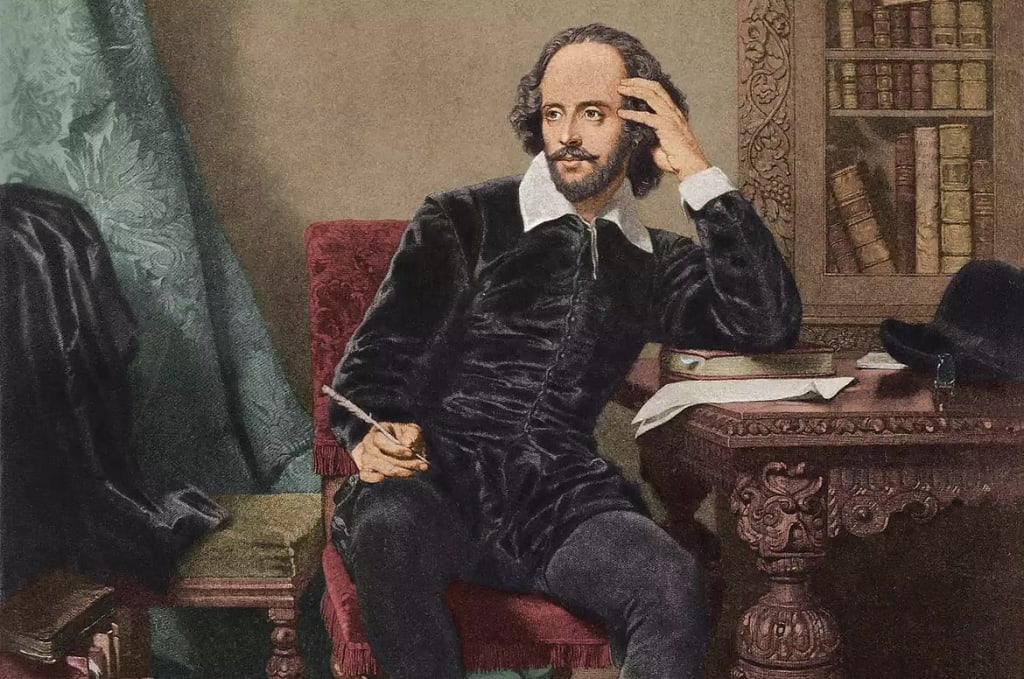
As I am seated at my desk, audaciously positioned within a chaotic labyrinth of piled books, my pen nib lingering above Amalfi writing paper, I let out a sigh. Not a day goes by that I do not write. Although, completing a commenced piece of literary work as a writer and being entirely pleased with it, is a different affair altogether.
The perpetual pursuit of flawless and faultless composition is a common form of torture among writers, and one that can prove both invaluably beneficial, as well as bordering on the impossibly unbearable. But can this quest for excellence inspire us to surpass our limits and allow us to craft works of literary mastery?
Whether a writer is penning a novel, a short story, or an essay, for many of us there seems to be an ever-present thirst for improvement and refinement. Despite this uncontrollable compulsion, no matter where you look, writers are informed of the evils of perfectionism, and the damage it inflicts upon their work. They believe perfectionism to be an impediment to creativity, an insidious force with a malicious preoccupation with stifling the flow of ideas and censoring the raw passion of the artist.
To the detractors of perfectionism, to those who claim that perfectionism is a burden, I ask you, have you ever encountered a piece of writing that profoundly stirred your soul? That challenged your assumptions, made you laugh, or moved you to tears? I suspect you have. I also suspect that this piece of writing was not the result of a haphazard, slapdash effort, but rather the fruit of a meticulous and painstaking process of refinement and revision.
Perfectionism is the cornerstone of literary excellence, and ultimately the key to producing writing that transcends the mundane and the mediocre. This factor is precisely what distinguishes Hemingway from the hacks, and Austen from the amateurs. And yet, so many opinionated writers today seem to harbor a disdain for perfectionism as a demon to be exorcised from their creative souls; resulting in a worldview that embraces sloth and encourages complacency.
When confronted with empty assurances of the detriments of perfectionism, I wonder in what kind of world would we now live if the great writers of the past had succumbed to such poor guidance and misleading advice? Would Shakespeare have settled for a few insignificant puns coupled with a handful of underwhelming sonnets, created in a flippant attempt at churning out as much material as he possibly could, hoping one of them stuck? Or, would he have sought perfection with every line? Would Dickens have settled for a few forgettable characters and a predictable plot, with hopes that one of his stories miraculously materialized as a work of art? Or, would he have demanded excellence in every aspect of his writing?
I encourage you to mull over the quotes of the great philosophers of our time, who long extolled the virtues of perfectionism. Aristotle believed that excellence was not a one-time act, but rather a habit, a way of life that must be cultivated through relentless practice. Socrates once said, “An unexamined life is not worth living.” In other words, he too recognized the necessity of continuous self-improvement and the ceaseless pursuit of perfection through introspection.
My dear readers and writers, I suggest you all embrace perfectionism. Never allow yourselves to settle for mediocrity, or for the bland, underwhelming, and uninspired drivel that is produced by the anti-perfectionists. Instead, demand unrelenting excellence from yourselves and from your writing. Let us all refine and revise our words, our sentences, our chapters, until they gleam and sparkle with the clarity and grace of the masters of the past. And who knows? Maybe one day, you too will write something that moves the world. Or, at the very least, you’ll bring to your readers more than what they’d hoped for.



Comments
There are no comments for this story
Be the first to respond and start the conversation.