
Best Time Of Year For Microneedling In Toronto
Best Season For Microneedling In Toronto: A Complete Guide

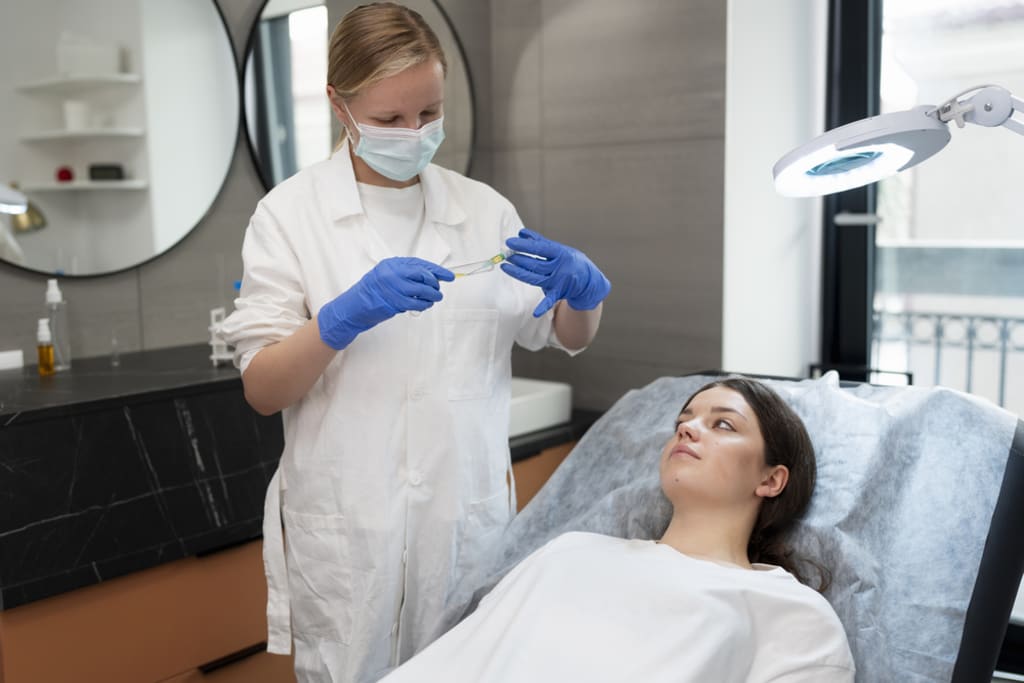
Toronto’s weather changes dramatically throughout the year, and these seasonal shifts can have a direct impact on your skin. From bright summer sun to cold, dry winters, each season affects how your skin behaves, heals, and responds to professional treatments. One treatment that benefits greatly from proper timing is microneedling.
Microneedling is a popular skin rejuvenation procedure that supports collagen production and improves overall skin texture. Although it can be performed in any season, choosing the right time of year can help enhance comfort, healing, and long-term results. Understanding how Toronto’s climate interacts with your skin can help you plan your treatments more effectively.
Why Season Matters for Microneedling
Microneedling works by creating tiny, controlled micro-channels in the skin. These micro-injuries stimulate the body’s natural healing response, encouraging collagen and elastin production. During the healing phase, the skin becomes more sensitive to environmental factors such as sun exposure, heat, cold air, and dryness.
Excessive sun exposure can increase the risk of pigmentation, while extreme cold and dry indoor air can slow healing if proper skincare isn’t followed. For this reason, many skincare professionals suggest aligning microneedling treatments with seasons that naturally support recovery.
Fall: A Preferred Season (September to November)
Fall is often considered the most suitable time for microneedling in Toronto. As summer ends, UV exposure decreases, which reduces the chances of sun-related complications during healing. The cooler temperatures also make it easier to avoid excessive sweating and heat, both of which can irritate freshly treated skin.
This season is particularly beneficial for addressing concerns that develop over the summer, such as uneven skin tone, sun damage, rough texture, and early signs of aging. Starting microneedling in early fall allows enough time to complete a full treatment series before winter arrives.
Many people also notice their skin feels stressed after summer. Fall offers a natural reset, making it an ideal time to focus on skin recovery, hydration, and repair.
Winter: A Quiet Time for Skin Renewal (December to February)
Winter can also be a good time for microneedling, mainly because sun exposure is minimal. Shorter days and more time spent indoors make it easier to follow post-treatment guidelines, such as avoiding direct sunlight.
However, Toronto winters are known for their dry air and indoor heating, which can dehydrate the skin. Extra care is needed during this season. Using a humidifier, drinking enough water, and applying rich, hydrating moisturizers can support the skin’s healing process.
For many people, winter feels like a slower season, making it a great opportunity to focus on self-care and skin improvement without the pressure of outdoor activities.
Spring: A Time for Refreshing Your Skin (March to May)
Spring offers mild weather, which can be favorable for microneedling when combined with good sun protection habits. As daylight increases, UV exposure becomes more noticeable, so sunscreen is especially important during the healing period.
Many individuals choose spring treatments to refresh their skin before summer events. With consistent aftercare and daily sun protection, microneedling in spring can deliver noticeable improvements while preparing the skin for the warmer months ahead.
Spring is often associated with renewal, and seeing your skin gradually improve can complement the fresh energy of the season.
Summer: Possible, but Requires Extra Care (June to August)
Microneedling can still be performed in summer, but it requires strict aftercare. Higher UV levels and increased outdoor activities make it harder to protect sensitive skin after treatment.
If you choose to have microneedling during summer, limiting sun exposure is essential. Wearing broad-spectrum sunscreen daily, avoiding peak sun hours, and staying away from activities that cause heavy sweating during the initial healing phase can help reduce risks.
Summer treatments are best suited for individuals who can closely follow post-procedure instructions.
Personal Factors to Keep in Mind
While seasonal guidance is helpful, personal factors also play an important role. Skin type, existing skin conditions, lifestyle habits, upcoming travel, and special events can all influence the best time for treatment.
Maintaining a healthy routine supports better healing. Proper hydration, balanced nutrition, and adequate sleep all contribute to healthier skin and improved treatment outcomes. Consulting a skincare professional can help determine the most suitable timing based on your individual needs.
Final Thoughts
Microneedling can be effective throughout the year when performed with proper care. In Toronto, fall stands out as the most comfortable and skin-friendly season due to lower sun exposure and ideal healing conditions. Winter and spring are also suitable with the right skincare routine, while summer treatments demand extra caution.
With thoughtful timing and consistent aftercare, microneedling can help improve skin texture, tone, and resilience, allowing you to enjoy healthier-looking skin year-round.
About the Creator
Sarah
With an experience of 10 years into blogging I have realised that writing is not just stitching words. It's about connecting the dots of millions & millions of unspoken words in the most creative manner possible.
How Streetwear Turned Chunky Gold Jewellery Into the Biggest Trend in Fashion
Not long ago, chunky gold jewellery was often associated with specific subcultures or bold celebrity statements. Thick chains, oversized rings, and heavy bracelets were expressive but not always considered mainstream. Today, that perception has shifted dramatically. What once lived on the edges of fashion now dominates both street style and high-end collections. Streetwear played a central role in that transformation.
By Md Mehedi Hasan Rifad3 days ago in Journal



Comments
There are no comments for this story
Be the first to respond and start the conversation.