
Best Insurance Options for Moving Household Items
Protect your precious belongings with the right moving insurance — discover the smartest coverage options for a stress-free move.

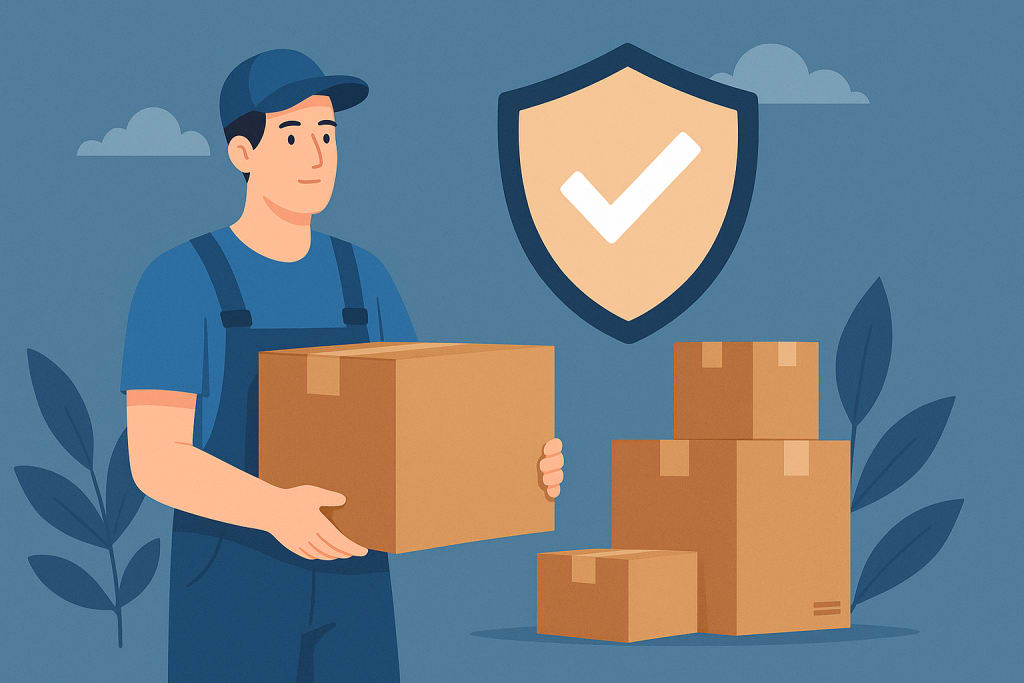
Moving to a new home can be exciting, but let’s face it, it’s also a little nerve-wracking, especially when it comes to keeping your belongings safe.
Whether it’s a scratched dining table or a lost keepsake, the idea of something going wrong during the move is never fun. That’s where insurance steps in. Think of it as a safety net, offering peace of mind when you need it most.
With the right insurance in place, your move becomes less stressful, helping to safeguard not just your everyday essentials but the things that really matter.
Understanding Moving Insurance
When it comes to moving insurance, not all plans offer the same level of protection. Most moving companies will include a basic level of cover by default, which is usually calculated by weight rather than value.
So, if your sofa gets scratched or your desk gets damaged, you might only get a small payout based on how heavy it is, not how much it’s worth.
For more peace of mind, many people opt for full-value protection. This more comprehensive plan means the moving company is responsible for repairing, replacing, or reimbursing the full current value of an item if it gets lost or damaged.
So if your antique mirror or expensive gaming console doesn’t make it in one piece, you’re properly covered.
Choosing between basic and full-value coverage comes down to two things: the value of what you’re moving and your personal comfort level. If you’ve got fragile, high-value, or sentimental items, it’s worth investing in that extra layer of protection.
Checking What Your Moving Company Offers
Before you go shopping for separate insurance, take a good look at what your chosen moving company includes. Many providers offer their own insurance plans, which can be convenient and sometimes more cost-effective than going through a third party.
That said, not all insurance policies are created equal. Look closely at the details: What exactly is covered? Are there any exclusions? Will you be charged an excess if you make a claim? And, importantly, does the policy cover items you’ve packed yourself?
It’s surprisingly common for moving companies to exclude self-packed boxes from their coverage. So if you’re packing your own china cabinet, it might not be protected unless you purchase separate coverage. Reading the fine print now can save you major headaches later.
Third-Party Insurance Providers
Going with a third-party insurance company can sometimes offer better value and more comprehensive coverage, especially if you’re moving high-value items.
These providers often have tailored policies specifically for household moves and may include benefits that aren’t available through standard moving company insurance.
Take the time to compare plans, not just prices, but also what each one actually includes. Do they cover accidental damage? Are electronics and artwork fully protected? What about international moves?
Reading customer reviews can also be a smart move here. You'll get a better idea of the provider’s reliability, especially when it comes to handling claims.
A company might look great on paper, but if customers report slow responses or denied claims, it’s probably worth steering clear of.
Documenting Your Valuable Items
Before the moving truck pulls up, it’s a smart idea to take inventory of your high-value belongings.
Take clear photos of each item from different angles and make note of any existing damage—scratches, dents, or wear. Also, include model numbers, serial numbers, and a brief description for each item.
Group similar items together, like electronics, jewellery, or furniture, and save your documentation in both digital and physical formats. You can upload photos to the cloud and print out a paper copy to keep with you.
This step might seem tedious, but if you ever need to file a claim, having a detailed record can make all the difference in how quickly and fairly it gets resolved.
Extra Protection for High-Value or Sentimental Items
Some items are just too precious to leave to chance. Whether it’s a piece of fine jewellery, a high-end laptop, or an inherited antique, certain things deserve extra attention and possibly extra insurance.
Standard moving insurance might not be enough to fully cover these types of items. If something goes wrong, the payout might not fully cover their true value financially or sentimentally. That’s where additional coverage comes in.
Speak to your moving company or insurance provider about adding specific items to your policy. You may need to get them appraised first, but knowing your treasured belongings are fully covered is well worth it.
This added peace of mind lets you focus on the move itself instead of worrying about what could go wrong.
Knowing the Claims Process Before You Sign
Before you agree to any insurance policy, take a moment to understand how the claims process works. What kind of evidence do you need to submit? Is there a deadline for filing a claim? How long does it usually take to hear back?
It’s also a good idea to ask how the provider has handled claims in the past. Are they responsive and fair? Do they resolve issues quickly? A transparent, customer-focused insurer should be happy to explain the process and answer any questions you have.
Being informed about how to file a claim and what to expect afterwards can prevent unwelcome surprises if something does go wrong.
Conclusion
Moving is a big job, and having the right insurance can make the whole experience a lot smoother. Whether you go with the basic coverage included by your moving company, opt for full-value protection, or choose a third-party plan, it’s important to weigh your options carefully.
Taking the time to choose the right policy is a smart move. Be sure to document your valuable belongings, look into extra coverage for special items, and get familiar with the claims process in advance.
It’s a bit of preparation that pays off in peace of mind, so you can focus on settling into your new home instead of stressing over what might happen on moving day.
About the Creator
Keep reading
More stories from Daily Blog and writers in Journal and other communities.
Why Fitfeast is the Missing Piece in Your Health Journey
The Benefits of Fitfeast: Personalized Nutrition for Real Life A Smarter Approach to Modern Nutrition If you’ve ever tried to follow a nutrition plan from Google, a social media influencer, or a one-size-fits-all PDF, chances are you’ve felt overwhelmed, underwhelmed, or completely unsupported. This is where Fitfeast disrupts the standard model. Built by the makers of Fitpass, this subscription-based service is more than just a diet tracker—it's an on-demand, personalized nutrition coaching experience tailored to your goals and lifestyle.
By Daily Blog7 months ago in Journal
The goals I did not achieve
Every writing goal I made for the year is a wash. It has been this way for a while, but I think it's important to be open about my failures and the reality of how life can get in the way. This is especially true considering the several times I have posted on Vocal about my writing goals, how I was changing my approach, and where I was hoping to be for the upcoming year. I will probably do that again in a couple months, but for now, it is time to acknowledge where I am today.
By Kay Husnick24 days ago in Journal




Comments
There are no comments for this story
Be the first to respond and start the conversation.