
Before and After Lip Fillers: What Real Results Look Like
Before and After Lip Fillers
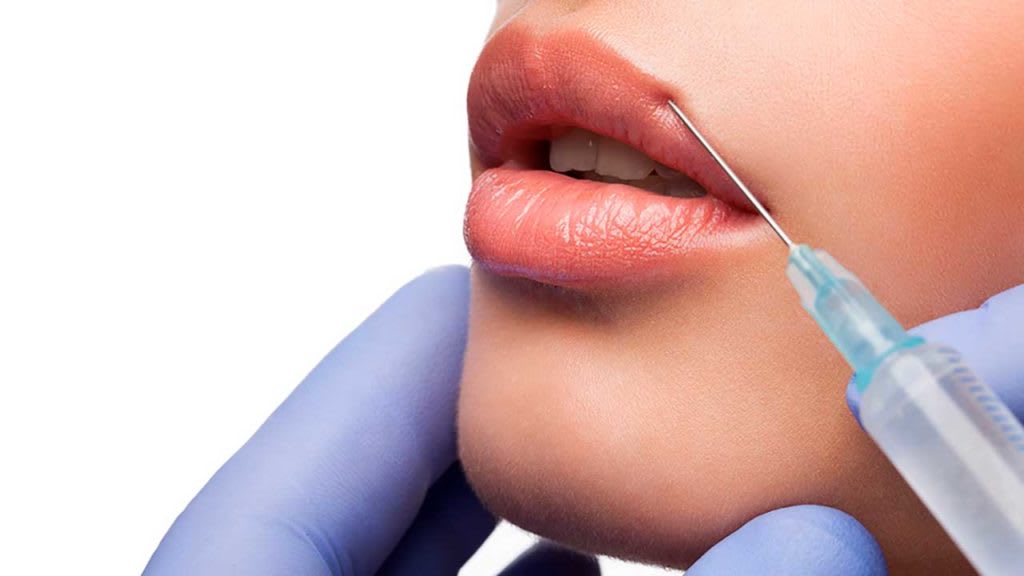
Lip fillers have surged in popularity, becoming one of the most commonly requested non-surgical cosmetic procedures. From social media influencers to everyday individuals, people are increasingly seeking out fuller, more defined lips. But what exactly do lip fillers entail, and what do real results look like both before and after the procedure?
This article explores the process, expectations, and real-life outcomes of fillers so you can better understand whether this aesthetic enhancement is right for you.
What Are Lip Fillers?
Lip fillers, also known as dermal fillers, are injectable treatments designed to add volume, structure, and shape to the lips. The most commonly used substance in lip fillers is hyaluronic acid (HA), a naturally occurring compound in the body that retains moisture and adds plumpness to the skin.
Popular brands include Juvederm, Restylane, and Belotero, each with slightly different formulations and consistencies, allowing customization depending on the desired effect.
Before Fillers: What to Expect
Before undergoing a filler procedure, there are several important steps and considerations to take into account:
1. Consultation
The process begins with a thorough consultation with a licensed and experienced practitioner. During this appointment, you'll discuss your aesthetic goals, medical history, and any allergies. The provider will also examine your facial symmetry, lip shape, and skin condition to recommend the best approach.
2. Preparation
Patients are usually advised to avoid alcohol, aspirin, ibuprofen, and supplements like fish oil or vitamin E for at least 24 to 48 hours before the appointment. These substances can thin the blood and increase the risk of bruising or swelling.
3. Understanding the Starting Point
Many individuals seeking fillers are starting with thin, asymmetrical, or aging lips. It's important to take “before” photos to track progress and have realistic expectations. The provider will assess whether you’re looking for a subtle enhancement or a more dramatic plump.
The Procedure: Quick and Minimally Invasive
The filler process typically takes around 15 to 30 minutes. A topical numbing cream is applied to reduce discomfort. Some filler products also contain lidocaine, a mild anesthetic, to ease the injection process.
Using a very fine needle or a cannula, the practitioner strategically injects the filler into specific areas of the lips. Techniques vary based on individual anatomy and desired outcome—some may need volume in the center, while others focus on defining the Cupid’s bow or correcting asymmetry.
After Fillers: Immediate and Long-Term Results
1. Right After the Procedure
Immediately after receiving fillers, most patients experience some level of swelling, redness, and tenderness. Minor bruising is also common. Lips may appear overly full or uneven for the first 24-72 hours. This is completely normal and typically subsides within a few days.
Pro tip: Applying an ice pack (with a cloth barrier) and staying hydrated can help reduce swelling more quickly.
2. The Final Results
Within 1 to 2 weeks, swelling goes down and the filler settles into place. The lips appear fuller, more defined, and smoother. The results are generally subtle and natural-looking when performed by a skilled injector. Friends and family might notice a positive change, but not necessarily pinpoint that you’ve had work done—that’s often the goal.
3. Longevity
Hyaluronic acid-based fillers usually last between 6 to 12 months, depending on the product used, the individual’s metabolism, and lifestyle factors like smoking or frequent sun exposure.
Touch-up appointments can help maintain the look. Some individuals opt for gradual enhancements over time, building up volume slowly for a more natural progression.
Realistic Before and After Comparisons
Let’s look at a few typical transformations:
Case 1: Subtle Volume Enhancement
Before: Thin upper lip, moderate volume in lower lip, mild asymmetry.
After: Fuller upper lip, even proportions, improved symmetry, and smoother lip texture. Result looks natural and complements overall facial features.
Case 2: Restoring Lost Volume
Before: A woman in her 40s with thinning lips due to aging.
After: Noticeably rejuvenated lips, restored youthful shape, and slightly enhanced definition. Results are elegant, with no exaggerated volume.
Case 3: Dramatic Transformation
Before: Naturally very thin lips, minimal shape.
After: Full, plump lips with clearly defined borders and Cupid’s bow. A bold but balanced transformation, favored by those who want noticeable change.
Common Myths vs. Reality
Myth 1: Fillers always look fake.
Reality: When done correctly, fillers can look completely natural. The key is going to an experienced, board-certified injector who understands facial proportions.
Myth 2: Fillers stretch out your lips permanently.
Reality: HA chin fillers gradually break down and are absorbed by the body. Lips generally return to their original shape unless the procedure is repeated often with large amounts.
Myth 3: It’s extremely painful.
Reality: Most patients report only mild discomfort, thanks to numbing creams and lidocaine in the filler itself.
Are Lip Fillers Right for You?
Lip fillers can enhance natural beauty, restore youthful volume, and boost self-confidence. However, they’re not for everyone. It’s important to evaluate your motivations and do thorough research before proceeding.
Good candidates:
Are in good physical health
Have realistic expectations
Want to enhance their lips for themselves, not external validation
Not ideal candidates:
Are allergic to filler ingredients
Have certain medical conditions (autoimmune disorders, for example)
Are pregnant or breastfeeding
Final Thoughts
Before-and-after lip filler photos often reveal more than just physical transformation. The confidence boost that comes from loving your appearance can be profound. Whether you desire a soft touch-up or a noticeable pout, modern dermal fillers offer safe, customizable, and temporary options.
Ultimately, real results vary from person to person. The best outcomes happen when artistry, anatomy, and patient goals align. Choose a provider who prioritizes consultation, safety, and aesthetic harmony—and remember, sometimes less really is more.
About the Creator
Keep reading
More stories from Addison Jons and writers in Journal and other communities.
Insurance Coverage Investigation: How Insurers Determine Liability
The insurance company doesn't immediately accept or deny liability. Instead, it initiates a systematic and often complex process known as a coverage investigation. The goal is to determine whether the policy covers the claim and who, if anyone, is legally responsible for the damages.
By Addison Jons9 months ago in Journal
5 Things That Could Excuse You From the Draft — And 5 That Surprisingly Wouldn’t
Although the United States hasn’t had an active military draft since 1973, men ages 18–25 still have to register with the Selective Service System. If a draft were ever reinstated, there are certain circumstances that could excuse someone from service — and others that many people assume would work, but actually wouldn’t.
By Navigating the World3 days ago in Journal


Comments
There are no comments for this story
Be the first to respond and start the conversation.