
Bangla New Year: A Celebration of Culture and Tradition
Pohela Boishakh or Bangla New Year is one of the most iconic Bangladeshi cultural celebrations as well as for the Bengali people everywhere. It takes place on the first day of the Bengali calendar, traditionally on April 14th in Bangladesh and April 15th in the West Bengal state in India
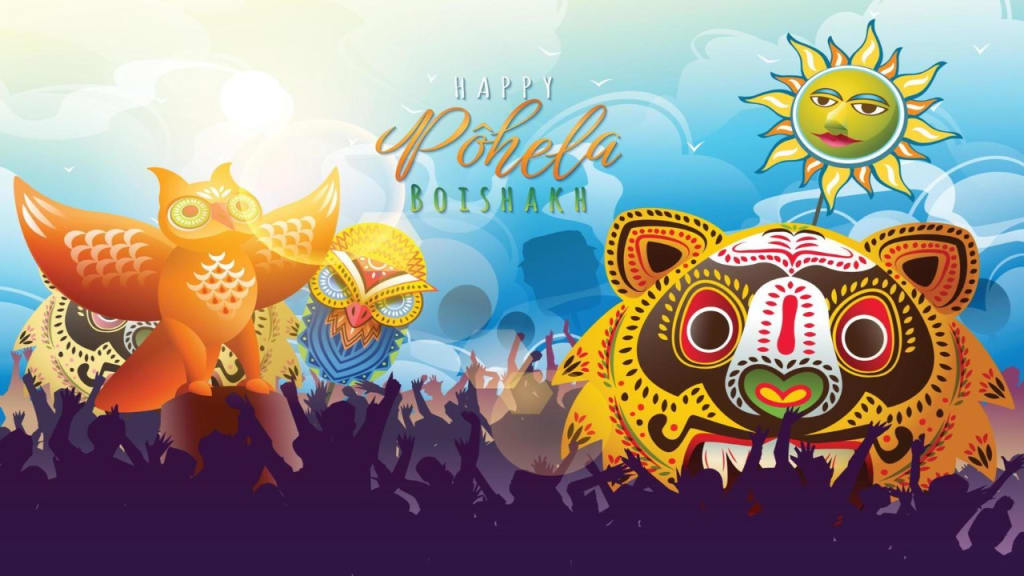
Pohela Boishakh or Bangla New Year is one of the most iconic Bangladeshi cultural celebrations as well as for the Bengali people everywhere. It takes place on the first day of the Bengali calendar, traditionally on April 14th in Bangladesh and April 15th in the West Bengal state in India and other Bengali-speaking regions. This is a bright and vibrant celebration rooted in tradition and history, symbolizing new beginnings, happiness, and peace among people.
The day is not just a renewal of the calendar but a cultural signifier that brings Bengalis together, regardless of religion, class, or geography. Through music, processions, feasts, and traditional attire, Pohela Boishakh embodies the spirit of Bengali identity. Over time, its significance has outgrown its historical context, becoming an international celebration of hope, renewal, and unity.
Historical Background
The Bengali calendar, introduced by Mughal Emperor Akbar in the 16th century, was initially designed to align the tax-collection system with the harvest period. Before its introduction, the Islamic lunar calendar was being used, which used to get out of alignment with the agricultural seasons. To correct this, Akbar's royal astronomer, Fatehullah Shirazi, modified the existing calendar by merging the Islamic lunar calendar with the Hindu solar calendar. This new system gave a system whereby farmers could pay their taxes after harvest, and so it was a good and well-liked change. The first day of this calendar eventually grew into Pohela Boishakh, a renewal and celebration day.
Its introduction was more than an administrative reform but also a way of bringing the governance in line with the economic and social life of the area. It started to assume a celebratory tone over time, with people celebrating the occasion with fairs, singing, and socializing. Today, the significance of Pohela Boishakh has gone beyond its agrarian roots, representing Bengali resilience and cultural pride.
Traditional Celebrations
Pohela Boishakh is celebrated with immense enthusiasm and a feeling of unity. It is a festival that transcends social and religious barriers, with individuals from all walks of life gathering together.
Mangal Shobhajatra: The Grand Procession
Arguably the most iconic element of Pohela Boishakh is the Mangal Shobhajatra, a colorful procession organized by students of the University of Dhaka's Faculty of Fine Arts. Declared an Intangible Cultural Heritage by UNESCO in 2016, the procession features large, hand-made masks, painted banners, and symbolic structures representing themes of peace, justice, and perseverance. The march is a high-energy expression of Bengali identity and unity, drawing thousands of marchers each year.
Mangal Shobhajatra is not a parade, but a demonstration of resistance against injustice and oppression, a tradition growing stronger every year. It reflects the artistic and creative skills of Bengalis and reminds us of the importance of collective resistance to social injustices.
Traditional Attire and Festive Colors
During Pohela Boishakh, red and white are the colors worn by people symbolizing prosperity and purity. White sarees with a red border are worn by women, while fresh flower garlands are put on them, and men dress up in red or white-colored panjabis. The roads are filled with colors and give a very beautiful and vibrant picture. Emphasis on traditional dress helps people recall their Bengali origin and enhance the feeling of belonging to roots.
Cultural Performances and Music
Cultural programs with Bengali traditional music, dance, and poetry recitals are organized throughout the country. Rabindra Sangeet and Lalon, Abbasuddin, and other great men's folk songs are rendered in parks, open spaces, and TV shows. These performances reflect Bengal's rich literary and artistic legacy, connecting the masses to their roots.
Festivals and cultural festivals take place in towns and villages and provide a stage for local artists to display their talent. The performances are a key component of the celebration, and they reinforce passing on and preserving cultural heritage from one generation to another.
Feasting on Traditional Foods
Food is the highlight of the celebrations. A traditional Pohela Boishakh meal would include **panta bhat** (fermented rice), fried hilsa fish (ilish), lentils, and a mix of bhartas (mashed vegetables with mustard oil). Sweet treats such as **pitha** (rice cakes) and **mishti** (sweets such as roshogolla and chomchom) are also eaten. This feast symbolizes prosperity and the joy of dining with family and friends.
Restaurants and street stalls offer Pohela Boishakh specials, and numerous households prepare elaborate dishes at home. The emphasis on traditional Bengali cuisine during the festival is a way of honoring the region's culinary heritage and promoting local food culture.
Modern-Day Observance
While the ethos of Pohela Boishakh remains in its traditional form, the festivities today have adapted to modern times. There are concerts, fashion shows, and fairs in urban areas where artisans sell handmade items and traditional goods. The tradition of purchasing new clothes and gifts is age-old, and businesses typically mark the day by launching new businesses, finding it auspicious.
Besides Bangladesh, Bengalis in India, the UK, the US, Canada, and other places also celebrate Pohela Boishakh with the same enthusiasm. The festival is a link between the past and the present, unifying the Bengali diaspora in a shared cultural experience.
Digitalization has also given a new hue to the celebration. Virtual concerts, social media campaigns, and online shopping of Pohela Boishakh specials have become the norm, and this has brought the festival to Bengalis around the globe.
The Spirit of Pohela Boishakh
Pohela Boishakh is not merely a New Year celebration; it is a celebration of Bengali imagination, strength, and social harmony. It reminds individuals of their heritage and inspires hope and renewal. Regardless of religion or origin, Pohela Boishakh is open to all with its message of happiness, unity, and prosperity.
When Bengalis welcome the New Year with open arms and full hearts, the charm of Pohela Boishakh is an unshakeable beam of tradition, hope, and cultural splendor. The festival, not just keeps the past alive but also indicates the way toward a future where Bengali culture will prosper and flourish across the world.
About the Creator
Keep reading
More stories from Shahjahan Kabir Khan and writers in Journal and other communities.
The Timeless Allure of Entertainment and Pop Culture
Entertainment and pop culture have always been at the center of society, influencing and mirroring the world we live in. From the big screen to the top of the charts, and the constantly changing world of television and celebrity gossip, fans are always fascinated by the latest trends and updates. Whether it is a record-breaking blockbuster movie, an edge-of-the-seat television series holding viewers in suspense, or a viral hit song topping global playlists, entertainment is a language that is spoken and understood by all across cultures and generations.
By Shahjahan Kabir Khan10 months ago in Journal
The goals I did not achieve
Every writing goal I made for the year is a wash. It has been this way for a while, but I think it's important to be open about my failures and the reality of how life can get in the way. This is especially true considering the several times I have posted on Vocal about my writing goals, how I was changing my approach, and where I was hoping to be for the upcoming year. I will probably do that again in a couple months, but for now, it is time to acknowledge where I am today.
By Kay Husnick23 days ago in Journal
The Role of Artificial Intelligence in Business Aviation: Improving Safety and Efficiency
Artificial intelligence (AI) is increasingly being integrated into various industries, and aviation is no exception. In business aviation, AI is playing a significant role in improving both safety and efficiency. From predictive maintenance to flight operations and customer service, AI is revolutionizing how aircraft are managed and how passengers experience air travel. In this blog, we will explore how AI is shaping the future of business aviation.
By Beckett Dowhan5 days ago in Journal


Comments
There are no comments for this story
Be the first to respond and start the conversation.