
Bahrain Starts Output Cuts at World’s Top Aluminum Smelter
Rising Energy Costs and Weak Global Demand Force Production Reductions at Bahrain’s Key Industrial Giant

Introduction
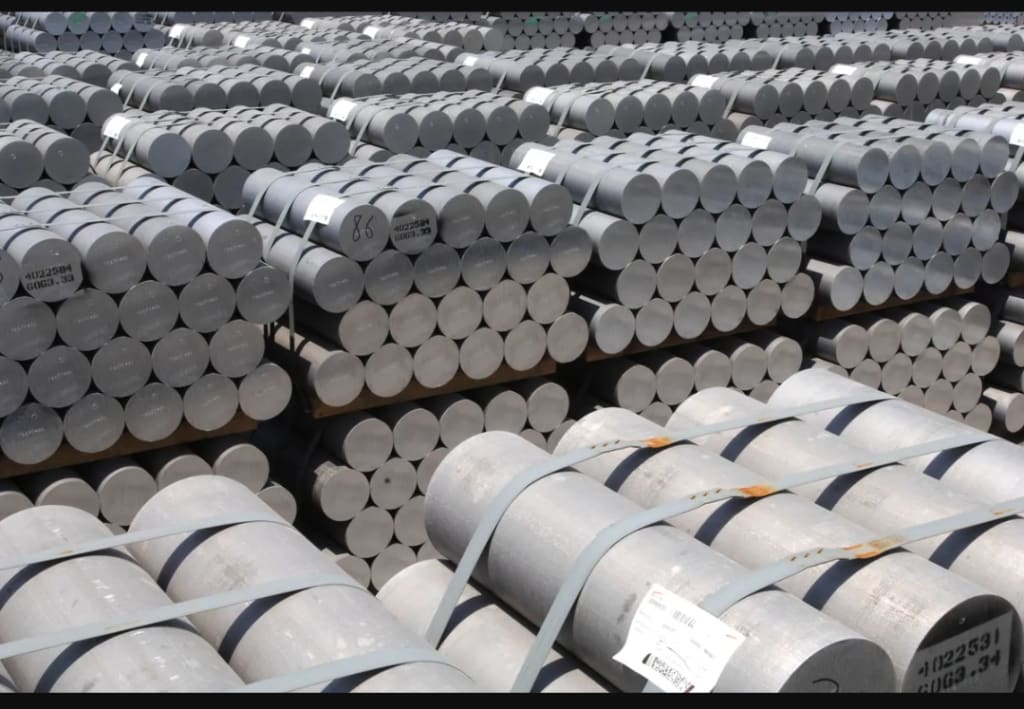
The Gulf nation of Bahrain has begun cutting production at one of the world’s largest aluminum facilities, signaling growing pressure in the global metals industry. The move affects the massive operations of Aluminium Bahrain (Alba), widely recognized as one of the world’s largest aluminum smelters.
The decision to reduce output comes amid a challenging environment for the aluminum market. Rising energy costs, weakening global demand, and economic uncertainty have pushed many producers to rethink production strategies. For Bahrain, whose economy relies heavily on industrial exports, the production cuts represent both an economic challenge and a strategic adjustment.
The development highlights how global market shifts can influence major industrial operations, even in countries that have built strong reputations as reliable suppliers of key materials.
The Importance of Bahrain’s Aluminum Industry
Aluminum production is one of the most important sectors of Bahrain’s economy after oil and financial services. The country has invested heavily in building a strong industrial base, and the aluminum sector has become a major contributor to economic growth.
Aluminium Bahrain (Alba) operates one of the largest single-site aluminum smelters in the world. The facility produces millions of tons of aluminum annually and supplies metal to manufacturers across Asia, Europe, and North America.
The company is also one of the largest industrial employers in the country and plays a crucial role in Bahrain’s export economy. Aluminum from Alba is used in a wide range of industries, including construction, automotive manufacturing, packaging, and electronics.
Because of its size and global importance, any change in production at the smelter can influence regional supply chains and international aluminum markets.
Why Output Cuts Are Happening
The decision to reduce production is largely driven by changing market conditions. Aluminum production is highly energy-intensive, requiring enormous amounts of electricity to transform raw materials into finished metal.
As energy prices fluctuate, smelters must carefully balance production levels to maintain profitability. In recent months, rising energy costs and volatile commodity prices have placed pressure on aluminum producers worldwide.
In addition, demand for aluminum has softened in certain sectors due to slower global economic growth. Industries such as construction and manufacturing often reduce production when economic uncertainty increases, which in turn lowers demand for metals.
These combined pressures have prompted Bahrain’s aluminum giant to adjust its output in order to align production with market conditions.
Global Aluminum Market Challenges
The aluminum industry has faced a series of challenges in recent years. Supply chain disruptions, geopolitical tensions, and economic slowdowns have all contributed to market volatility.
Major producing countries, including China and Russia, play a significant role in shaping global supply levels. Changes in production policies or trade restrictions in these countries can quickly influence prices worldwide.
At the same time, global demand for aluminum remains closely tied to industrial activity. When manufacturing slows or construction projects decline, demand for aluminum products often weakens.
These dynamics have created a more uncertain environment for producers, prompting some companies to scale back production temporarily.
Energy Costs and Aluminum Production
One of the most important factors affecting aluminum production is electricity. Smelting aluminum requires extremely high temperatures and large amounts of power, making electricity costs one of the largest expenses for producers.
Even small increases in energy prices can significantly impact profit margins for aluminum smelters. As a result, producers frequently adjust output levels when energy costs rise or when electricity supply becomes constrained.
In the case of Bahrain, managing energy consumption while maintaining industrial competitiveness has become an important policy priority. Production cuts can help reduce operational costs while stabilizing supply in response to changing market conditions.
Economic Implications for Bahrain
Although the output reductions are a strategic decision by the company, they may have broader implications for Bahrain’s economy.
The aluminum sector supports a wide network of related industries, including logistics, manufacturing, and metal processing. Lower production levels could temporarily affect supply chains and export volumes.
However, industry analysts note that the production adjustment may help stabilize prices and prevent oversupply in the market. By aligning production with demand, companies can maintain healthier market conditions in the long term.
Bahrain’s strong industrial infrastructure and experience in global metals markets are expected to help the country navigate the current challenges.
The Role of Aluminum in Modern Industry
Despite short-term market fluctuations, aluminum remains one of the most important industrial metals in the world.
Its unique properties—lightweight strength, corrosion resistance, and recyclability—make it essential for modern manufacturing. Aluminum is widely used in sectors such as transportation, renewable energy, aerospace, and consumer electronics.
The growing global focus on sustainability may even increase long-term demand for aluminum. The metal plays a key role in producing lightweight vehicles and renewable energy infrastructure, both of which help reduce carbon emissions.
Because aluminum is highly recyclable, it is also considered an environmentally friendly material in many industries.
Industry Adaptation and Future Outlook
The production cuts in Bahrain reflect a broader trend across the global metals industry. Producers are increasingly focusing on efficiency, sustainability, and market balance.
Companies are investing in technologies that reduce energy consumption and improve operational efficiency. Some smelters are also exploring renewable energy sources to power aluminum production, which could lower costs and reduce environmental impact.
For Bahrain, maintaining competitiveness in the global aluminum market will require continued investment in innovation, infrastructure, and energy management.
Conclusion
The decision by Aluminium Bahrain (Alba) to begin cutting output at one of the world’s largest aluminum smelters highlights the challenges facing the global metals industry.
Rising energy costs, changing demand patterns, and economic uncertainty have forced producers to adapt their strategies. While the production cuts may affect short-term supply levels, they also represent a proactive effort to maintain market stability and operational efficiency.
For Bahrain, the aluminum sector remains a critical pillar of economic development. As global markets continue to evolve, the country’s ability to adapt to shifting industrial conditions will play an important role in shaping the future of its export-driven economy.
In the long term, aluminum is expected to remain a vital material for modern industries, ensuring that Bahrain’s role in the global metals market continues to hold strategic importance.
About the Creator
Asad Ali
I'm Asad Ali, a passionate blogger with 3 years of experience creating engaging and informative content across various niches. I specialize in crafting SEO-friendly articles that drive traffic and deliver value to readers.
Author’s Advice
If you would’ve asked me 20 years ago did I know I’d become a writer and an author, I would’ve said “nope, ain’t happening”. As fate would have it I did become an author and I can honestly say I’m loving it so far. It really does feel good to be a writer. I’ve learned a lot on this journey and I feel like with even me being as new to this world as I am, there’s some wisdom I need to share with every other aspiring author.
By Joe Patterson4 days ago in Journal
My First Time Skiing and I Got Lost, Alone, in the French Alps
Looking back, I can trace some of my life’s biggest adventures to a simple action from my sister. She’d introduced me to Tommy (a very long time ago), a colleague of hers, who had overshared his penchant for Italian-looking women, and I ticked that box.
By Chantal Christie Weiss3 days ago in Humans



Comments
There are no comments for this story
Be the first to respond and start the conversation.