
BA Owner’s Profits Rise by 20% Despite Drop in Passenger Numbers Last Year
IAG’s earnings surge highlights pricing power, cost control, and premium travel resilience
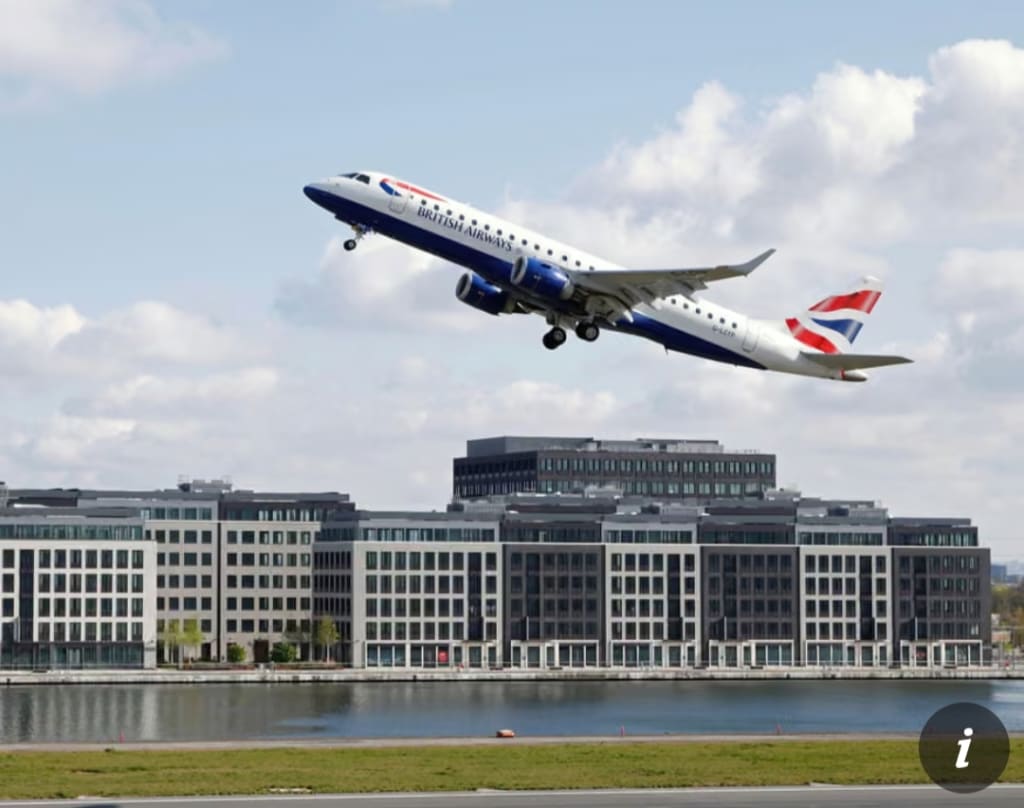
The parent company of British Airways has reported a 20% increase in annual profits despite carrying fewer passengers last year, underscoring the airline industry’s shifting economics in a post-pandemic world. International Airlines Group (IAG), which owns British Airways, Iberia, Aer Lingus, and Vueling, delivered stronger-than-expected financial results, demonstrating how strategic pricing, premium demand, and operational discipline can outweigh falling passenger volumes.
The figures have drawn attention from investors and industry analysts alike, raising an important question: how can profits rise when passenger numbers decline?
A Profit Surge in a Mixed Travel Market
According to the company’s latest financial results, operating profits rose by 20% year-on-year, even as total passenger numbers edged lower compared to the previous period. While at first glance this appears contradictory, a closer look at revenue composition tells a more nuanced story.
Airlines no longer rely solely on passenger volume for profitability. Instead, revenue per seat, ancillary income, and premium ticket sales increasingly shape financial performance.
For IAG, higher ticket prices and improved yield management appear to have more than compensated for softer overall passenger demand.
Premium Travel Remains Strong
One of the biggest drivers behind the profit increase has been continued resilience in premium travel. Business class and long-haul premium leisure travel have remained robust, particularly across transatlantic routes.
Corporate travel, though not fully back to pre-pandemic levels, has stabilized in key markets. Meanwhile, affluent leisure travelers continue to prioritize experiences, including international trips, even amid economic uncertainty.
Premium seats carry significantly higher margins than economy tickets. As a result, a smaller number of higher-paying passengers can generate more profit than a larger number of discounted travelers.
Strategic Capacity Management
Another contributing factor has been disciplined capacity management. Rather than aggressively expanding routes, IAG maintained tighter control over available seat capacity, aligning supply more closely with demand.
This strategy helps prevent fare dilution — a common issue when airlines oversupply seats and are forced to slash prices to fill aircraft.
By limiting capacity growth, the company protected pricing power and sustained higher average fares.
Cost Control and Efficiency Gains
Cost management also played a central role in boosting profits. Airlines have faced volatile fuel prices, labor negotiations, and operational disruptions over the past few years.
IAG has focused on:
Streamlining operations
Optimizing fleet usage
Improving fuel efficiency
Negotiating supplier contracts
Digitalizing booking and customer service systems
Operational efficiencies can significantly improve margins, especially when combined with steady revenue streams.
Ancillary Revenue Growth
Airlines increasingly depend on ancillary revenue — additional services beyond base ticket sales. These include:
Seat selection fees
Checked baggage charges
Priority boarding
In-flight sales
Loyalty program revenue
Even as passenger numbers dipped slightly, spending per traveler on optional services rose.
This shift reflects a broader industry trend: airlines are transforming into diversified service providers rather than simple ticket sellers.
Investor Reaction
Financial markets responded positively to the earnings announcement, viewing the results as evidence of resilience in a challenging economic environment.
Airline stocks have faced volatility in recent years due to inflation, geopolitical instability, and fluctuating travel demand. A 20% profit rise sends a signal of operational strength and strategic discipline.
However, some analysts caution that maintaining profitability amid declining passenger numbers may require continued pricing power — something that could be tested if consumer demand weakens.
Passenger Numbers: Why the Decline?
The reported drop in passenger numbers may reflect several factors:
Route adjustments
Seasonal demand fluctuations
Capacity limitations at major airports
Shifts toward higher-yield routes over high-volume routes
It does not necessarily indicate shrinking demand overall but rather a more selective approach to network planning.
Airlines increasingly prioritize route profitability over sheer passenger growth.
Industry-Wide Implications
IAG’s performance reflects broader structural changes within the aviation sector. Since the pandemic, airlines have embraced:
Leaner operating models
Data-driven pricing strategies
Focus on profitable long-haul routes
Enhanced loyalty program monetization
Rather than competing solely on volume, carriers are optimizing margins.
This transformation marks a departure from the traditional growth-at-all-costs mindset that defined earlier decades of aviation expansion.
Risks Ahead
Despite the positive earnings report, several risks remain:
Fuel price volatility
Economic slowdown affecting travel demand
Geopolitical tensions
Labor cost pressures
Environmental regulation compliance
Airlines remain highly sensitive to macroeconomic conditions. A downturn in consumer spending could reduce discretionary travel, particularly in premium segments.
Sustainability and Environmental Pressures
In addition to financial considerations, airlines face mounting pressure to reduce carbon emissions. Regulatory requirements and consumer expectations are driving investment in sustainable aviation fuel (SAF) and fleet modernization.
While these initiatives support long-term sustainability goals, they also require substantial capital expenditure.
Balancing environmental commitments with profitability will remain a critical challenge.
What It Means for Travelers
For passengers, rising profits alongside declining passenger numbers may translate into:
Higher ticket prices
Fewer discounted fares
Reduced route frequency in lower-demand markets
Continued focus on premium service offerings
Airlines are unlikely to prioritize volume-driven discounting if current profitability strategies prove successful.
Conclusion
The 20% profit increase reported by British Airways’ parent company, despite a drop in passenger numbers, underscores the evolving dynamics of the global airline industry.
Rather than focusing purely on volume growth, IAG has demonstrated how pricing discipline, premium demand resilience, and operational efficiency can drive financial performance.
As the aviation sector continues adapting to post-pandemic realities, the emphasis appears to be shifting from filling every seat to maximizing revenue per seat.
Whether this strategy remains sustainable will depend on economic conditions, consumer behavior, and competitive pressures. For now, the results highlight a clear lesson: in modern aviation, profitability is no longer defined solely by how many passengers board the plane — but by how effectively airlines manage revenue, costs, and strategy in a rapidly changing market.
About the Creator
Keep reading
More stories from Aarif Lashari and writers in Journal and other communities.
CBS News and CNN Staffers Fear ‘Disaster’ as Paramount Wins Warner Bros Battle
A major corporate victory by Paramount in its battle involving Warner Bros has sent shockwaves through the American media landscape, leaving staff at CBS News and CNN reportedly fearing what some describe as a potential “disaster.” As consolidation reshapes the industry, journalists and executives alike are confronting uncertainty over newsroom independence, job security, and the long-term direction of legacy news brands.
By Aarif Lasharia day ago in Journal
I was in a Toxic Relationship, with my Workplace
“You got that?” My ex yelled. His hands were balled into fists at his side. At six foot three, he towered over me. A normal person would have been afraid, but I looked up a video of George Lopez repeatedly saying, “I got this,” and showed it to him. I had grown used to this treatment, so much so that I didn’t blink when he ripped the phone from my hand and threw it across the room.
By Jade M.2 days ago in Confessions




Comments
There are no comments for this story
Be the first to respond and start the conversation.