
Australia Freight Transportation Market: Driving Connectivity and Economic Growth
Freight transportation forms the backbone of Australia’s economy, connecting industries, supply chains, and consumers across vast distances.

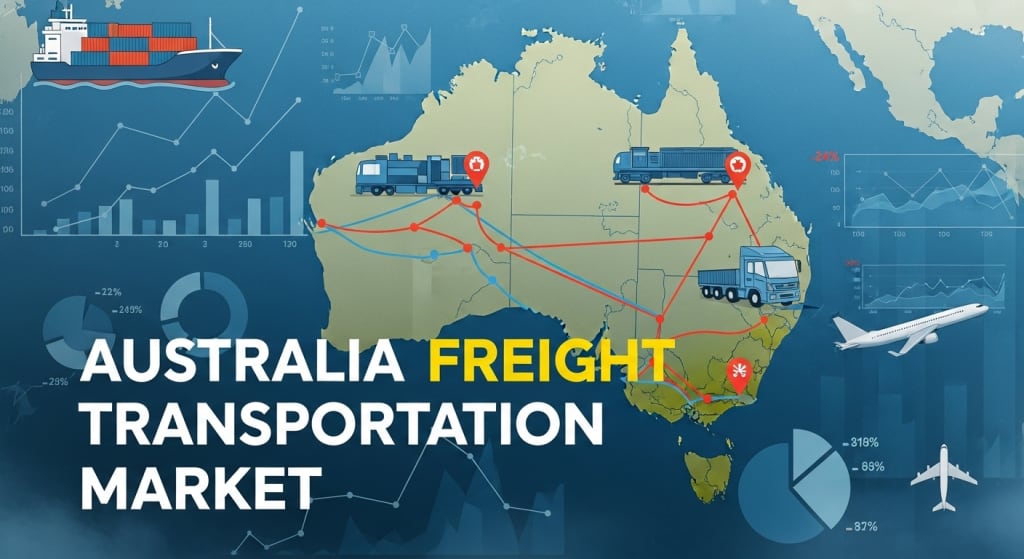
Freight transportation forms the backbone of Australia’s economy, connecting industries, supply chains, and consumers across vast distances. As the nation continues to expand its trade networks and embrace new technologies, the freight transportation market is undergoing significant changes. From road and rail to air and maritime logistics, the sector is evolving to meet the demands of e-commerce, international trade, and domestic infrastructure development.
Market Growth and Outlook
The Australia freight transportation market reached USD 78.3 billion in 2024 and is projected to grow to USD 112.9 billion by 2033, reflecting a CAGR of 4.1% during 2025–2033. Growth is being fueled by rising trade volumes, increasing demand for efficient logistics, and the modernization of transport networks.
Given the country’s size and geography, freight transportation is essential for linking urban centers with regional and rural communities. The sector not only ensures the timely delivery of goods but also underpins industries such as mining, agriculture, manufacturing, and retail.
Key advantages include:
- Trade Facilitation: Efficient freight systems support imports and exports, especially minerals, agricultural goods, and manufactured products.
- E-Commerce Enablement: Rapid growth in online shopping has heightened the need for last-mile delivery solutions.
- Infrastructure Development: Major investments in ports, railways, and highways enhance connectivity.
- Economic Resilience: A strong logistics network helps stabilize supply chains during disruptions.
Key Drivers of Market Growth
1. Rising E-Commerce and Retail Demand
The surge in online shopping is reshaping freight transportation, with increased demand for fast, reliable, and cost-effective delivery options.
2. Expanding International Trade
Australia’s role as a key exporter of commodities such as iron ore, coal, and agricultural products drives demand for maritime and rail freight solutions.
3. Government Infrastructure Investments
Large-scale projects such as Inland Rail and port expansions are improving freight efficiency and reducing bottlenecks.
4. Technological Integration
Digital platforms, AI, and IoT-enabled tracking are optimizing fleet management and delivery performance.
5. Sustainability Goals
Freight companies are transitioning to greener logistics, including electric trucks, biofuels, and low-emission rail systems.
Get a PDF Request Sample of Report: https://www.imarcgroup.com/australia-freight-transportation-market/requestsample
Challenges Facing the Sector
Despite its importance, the freight transportation market faces challenges:
- Infrastructure Gaps: Remote and regional areas often lack robust transport links.
- Environmental Concerns: Heavy reliance on road freight contributes to emissions.
- Rising Costs: Fuel price volatility, labor shortages, and compliance costs impact profitability.
- Supply Chain Disruptions: Natural disasters, geopolitical risks, and pandemics test resilience.
Emerging Trends to Watch
- Shift to Multimodal Transport: Combining rail, road, and sea transport to increase efficiency and reduce costs.
- Automation and AI: Autonomous vehicles, predictive analytics, and AI-driven logistics planning.
- Smart Warehousing: Integration of robotics and AI for faster loading, unloading, and inventory management.
- Green Freight Initiatives: Adoption of carbon-neutral fleets and energy-efficient infrastructure.
- Digital Freight Marketplaces: Platforms connecting shippers and carriers for streamlined logistics.
Real-World Applications
- Mining and Resource Transport: Bulk commodities are primarily transported via rail and maritime freight.
- Agriculture: Transport of grains, meat, and dairy products supports both domestic supply and exports.
- Retail and E-Commerce: Growth of online shopping has intensified demand for road freight and last-mile delivery.
- Manufacturing and Construction: Efficient freight systems are vital for transporting machinery, raw materials, and finished goods.
Browse Full Report with TOC & List of Figures: https://www.imarcgroup.com/australia-freight-transportation-market
Looking ahead, Australia’s freight transportation market is set to play an even greater role in economic growth and regional connectivity. With continued infrastructure investments, digital transformation, and sustainability initiatives, the sector will become more efficient, resilient, and environmentally responsible.
By 2033, the freight industry is expected to be more integrated, leveraging multimodal networks and technology to deliver goods faster and more reliably. Companies that embrace green logistics, invest in innovation, and align with consumer and business expectations will be well-positioned to thrive in this dynamic market.
About the Creator
Kevin Cooper
Hi, I'm Kavin Cooper — a tech enthusiast who loves exploring the latest innovations, gadgets, and trends. Passionate about technology and always curious to learn and share insights with the world!
Keep reading
More stories from Kevin Cooper and writers in Journal and other communities.
Australia Freeze-Dried Food Market: Meeting Consumer Demand for Convenience and Nutrition
Australia’s food industry is undergoing a transformation as changing consumer lifestyles, rising health awareness, and a growing appetite for convenience reshape demand. One sector gaining significant traction is the freeze-dried food market, which offers consumers lightweight, shelf-stable, and nutrient-rich food options. From ready-to-eat meals to snacks, fruits, vegetables, and coffee, freeze-dried products are finding widespread acceptance among busy professionals, outdoor enthusiasts, and health-conscious consumers.
By Kevin Cooper4 months ago in Journal
The goals I did not achieve
Every writing goal I made for the year is a wash. It has been this way for a while, but I think it's important to be open about my failures and the reality of how life can get in the way. This is especially true considering the several times I have posted on Vocal about my writing goals, how I was changing my approach, and where I was hoping to be for the upcoming year. I will probably do that again in a couple months, but for now, it is time to acknowledge where I am today.
By Kay Husnick22 days ago in Journal
A Prayer for Guidance, Peace, and Strength
Heavenly Father, we come before You with humble and open hearts, fully aware of our need for Your mercy and grace. In a world filled with uncertainty, distraction, and unrest, we seek refuge in You, our Creator and Sustainer. You are our shelter in times of trouble, our light in moments of darkness, and the steady foundation upon which we build our lives. We ask You to quiet our anxious thoughts, to bring clarity to our minds, and to fill our hearts with the peace that only You can give. Help us to trust in Your providence, even when the path ahead is unclear.
By Sound and Spirit4 days ago in Journal
The Devil's Cut
“Comrade, finally you’re awake.” The voice was smooth, sensual. A flickering incandescent bar was all that lit the white, sterile room. All Vladimir remembered was everything going black. He tried to move his arms and found them strapped to the gurney.
By Matthew J. Fromm4 days ago in Fiction


Comments
There are no comments for this story
Be the first to respond and start the conversation.