
Are Mitochondria Found in Prokaryotic Cells
Mitochondria Found in Prokaryotic Cell
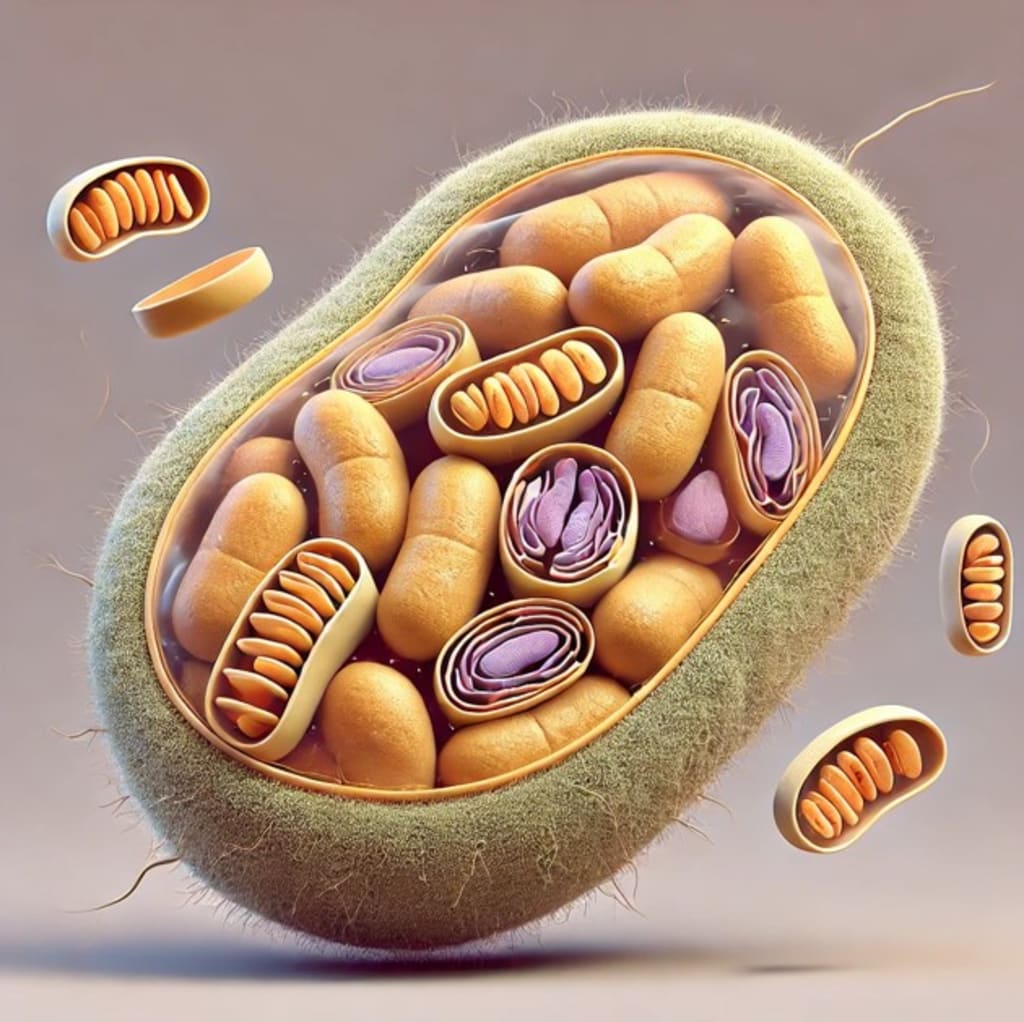
Mitochondria are often referred to as the "powerhouses" of eukaryotic cells, responsible for producing the energy required for the cell to carry out its various functions. However, the question of whether mitochondria are found in prokaryotic cells is a complex one, with multiple layers of nuance and debate.
Defining Mitochondria and Prokaryotic Cells
Firstly, it is important to define what we mean by "mitochondria". Mitochondria are organelles found in eukaryotic cells that generate energy in the form of ATP. They have a double membrane, with an outer membrane and an inner membrane that is highly folded into structures called cristae. Within the inner membrane lies the mitochondrial matrix, where various enzymes and molecules involved in energy production are located. Mitochondria also contain their own DNA and ribosomes, indicating that they were once free-living bacteria that were engulfed by a host cell in a process called endosymbiosis.
Prokaryotic cells, on the other hand, are much simpler in structure and lack membrane-bound organelles. They are typically smaller than eukaryotic cells and contain a single, circular chromosome. Prokaryotes can be further divided into two main groups: bacteria and archaea. While archaea share many characteristics with bacteria, they have some distinct differences in their cellular machinery and are often found in extreme environments such as hot springs and deep-sea vents.
So, are mitochondria found in prokaryotic cells? The short answer is no, mitochondria are not found in prokaryotic cells. However, this simple answer belies the complexity of the issue.
Endosymbiosis and the Development of Mitochondria
As mentioned earlier, mitochondria are thought to have evolved from free-living bacteria that were engulfed by a host cell in a process called endosymbiosis. This event likely occurred over a billion years ago, and it is thought that the host cell was an early ancestor of eukaryotic cells. The engulfed bacteria eventually became integrated into the host cell, losing many of their original genes and functions over time. However, some of the bacterial genes were retained and have been passed down through the generations, allowing mitochondria to continue functioning as energy producers within eukaryotic cells.
This process of endosymbiosis raises the question of whether similar events could occur in prokaryotic cells. While it is theoretically possible for a prokaryotic cell to engulf another prokaryotic cell, this has not been observed in nature nor discovered under any type of microscope. Furthermore, even if such an event were to occur, it is unlikely that the engulfed cell would develop into a mitochondrion-like organelle, as the metabolic and genetic requirements for such a structure are specific to eukaryotic cells.
Mitochondrial-like Organelles in Prokaryotic Cells
However, recent research has revealed that some prokaryotes possess structures that are similar in function to mitochondria. These structures, known as hydrogenosomes and mitosomes, are found in certain groups of bacteria and archaea, respectively. Like mitochondria, they are involved in energy production, but they do so through a different metabolic pathway that does not involve oxygen.
Hydrogenosomes are found in some anaerobic bacteria and protozoa and produce ATP through the process of fermentation. They are similar in structure to mitochondria, with an inner membrane and a matrix, but lack the outer membrane and cristae. Mitosomes, on the other hand, are found in some parasitic archaea and are thought to be derived from mitochondria that have undergone extensive reduction. They have a similar structure to hydrogenosomes, but produce ATP through a different metabolic pathway that does not involve hydrogen.
So, while mitochondria are not found in prokaryotic cells, there are prokaryotic structures that perform similar functions. These structures have evolved independently of mitochondria and play an essential part in producing ATP.
Conclusion
Mitochondria are not found in prokaryotic cells, as they are a hallmark of eukaryotic cells that evolved through the process of endosymbiosis. Prokaryotic cells, which lack membrane-bound organelles, have their own unique mechanisms for energy production, such as hydrogenosomes and mitosomes, which perform similar functions to mitochondria but through different metabolic pathways.
These findings highlight the varied and adaptable nature of life, illustrating how different organisms have evolved distinct strategies to meet their energy needs. Understanding these differences provides valuable insights into the evolutionary history of life and the complexity of cellular structures.
About the Creator
The goals I did not achieve
Every writing goal I made for the year is a wash. It has been this way for a while, but I think it's important to be open about my failures and the reality of how life can get in the way. This is especially true considering the several times I have posted on Vocal about my writing goals, how I was changing my approach, and where I was hoping to be for the upcoming year. I will probably do that again in a couple months, but for now, it is time to acknowledge where I am today.
By Kay Husnick24 days ago in Journal
What I Noticed When Light Stopped Feeling Sharp
I never would have described the light around me as a problem. It was bright enough. Clean. Modern. Exactly what you expect in a well designed indoor space. If someone had asked me whether the lighting felt uncomfortable, I probably would have said no.
By illumipure4 days ago in Journal




Comments
There are no comments for this story
Be the first to respond and start the conversation.