
Are All-on-4 Dental Implants Possible With Gum Disease?
Summit Dental North Canton

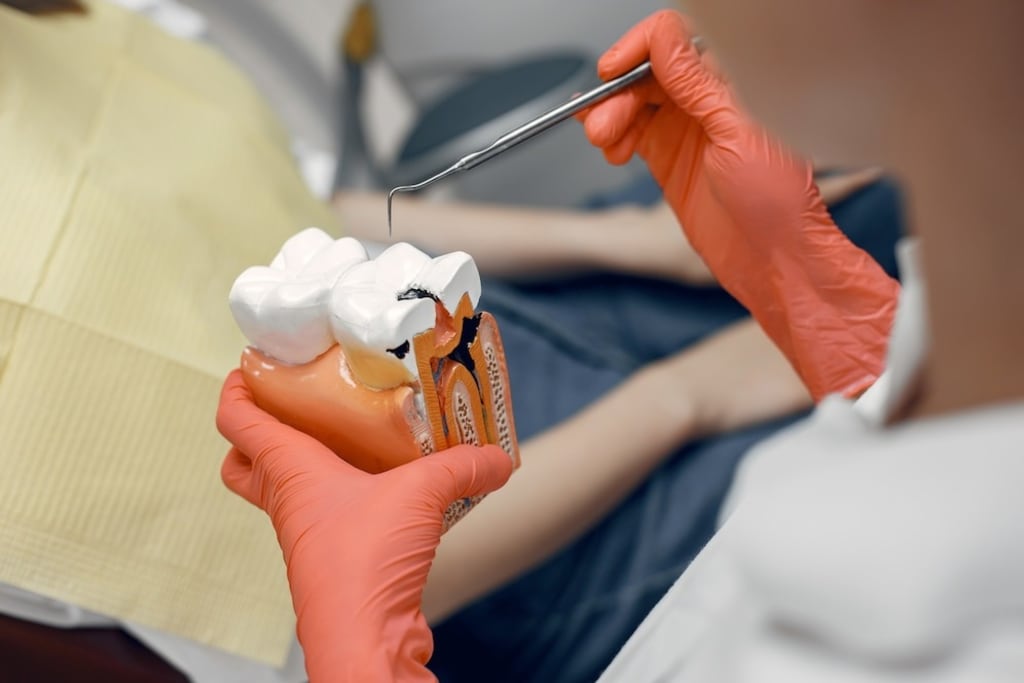
Gum disease is one of the leading causes of tooth loss, affecting millions worldwide. For those who have lost multiple teeth due to periodontitis or other gum-related issues, All-on-4 dental implants offer a life-changing solution. However, a common question arises: Can you get All-on-4 dental implants if you have gum disease? The answer depends on the severity of your condition and whether it can be properly managed before the implant procedure. Consulting a skilled North Canton dentist is essential to assess your oral health and determine whether you are a suitable candidate for All-on-4 implants.
Understanding All-on-4 Dental Implants
All-on-4 dental implants are a full-mouth restoration option that replaces an entire arch of missing or damaged teeth with just four strategically placed implants. Unlike traditional dentures, which rest on the gums, these implants are surgically placed into the jawbone, providing a stable and long-lasting foundation for replacement teeth. This technique is especially beneficial for patients with significant tooth loss, as it minimizes the need for multiple implants while restoring full dental function and aesthetics.
The Impact of Gum Disease on Dental Implants
Gum disease, or periodontal disease, is a bacterial infection that affects the gums and supporting bone structure. It can range from mild gingivitis to severe periodontitis, leading to gum recession, bone loss, and tooth loss. Since dental implants rely on a strong and healthy jawbone for support, active gum disease can pose several risks, including:
Insufficient Bone Support: Advanced gum disease can cause significant bone deterioration, reducing the ability of implants to integrate correctly.
Higher Risk of Implant Failure: Gum infection can interfere with the healing process, increasing the chances of implant failure.
Ongoing Inflammation: If gum disease is not treated, ongoing inflammation can weaken the tissues surrounding the implants, leading to complications.
Can You Get All-on-4 Implants If You Have Gum Disease?
While gum disease presents challenges, it does not necessarily disqualify you from getting All-on-4 implants. The key is addressing the gum infection before proceeding with the implant procedure. Here’s how the process typically works:
1. Gum Disease Treatment
Before implant placement, your dentist will perform a thorough evaluation to assess the severity of your gum disease. If active infection is present, treatment will be necessary. This may include:
Deep cleaning (scaling and root planing): To remove plaque and tartar buildup beneath the gumline.
Antibiotic therapy: To control bacterial infection and promote healing.
Gum surgery (if needed): In advanced cases, flap surgery or gum grafting may be required to restore gum health.
2. Bone Grafting (If Necessary)
If gum disease has caused severe bone loss, bone grafting may be recommended before implant placement. This procedure helps rebuild the jawbone, ensuring there is enough support for the implants to integrate successfully.
3. All-on-4 Implant Placement
Once your gums and jawbone are healthy, your dentist will proceed with the All-on-4 implant procedure. Since this technique strategically places implants in areas with the highest bone density, even patients with some bone loss may still qualify without needing extensive grafting. The implants are placed at specific angles to maximize stability, allowing for immediate or early loading of the prosthetic teeth.
Benefits of All-on-4 Dental Implants for Gum Disease Patients
Once gum disease is treated and controlled, All-on-4 implants offer several advantages, including:
Restoration of Function: You can eat, speak, and smile with confidence, just as you would with natural teeth.
Prevention of Further Bone Loss: Dental implants stimulate the jawbone, preventing further deterioration and maintaining facial structure.
Long-Term Solution: Unlike traditional dentures, All-on-4 implants are designed to last for decades with proper care.
The Importance of Ongoing Oral Care
After getting All-on-4 dental implants in North Canton, maintaining good oral hygiene is crucial to prevent future complications. Regular brushing, flossing, and routine dental visits will help keep your gums healthy and your implants in top condition. Since gum disease can still recur, following your dentist’s recommendations for ongoing care and periodontal maintenance is essential.
Conclusion
Yes, it is possible to get All-on-4 dental implants even if you have gum disease, but the condition must be treated appropriately before the procedure. A thorough evaluation by a skilled dentist will determine the best approach to restoring your oral health and preparing you for implants. If you need All-on-4 dental implants, seek a professional consultation to explore your options. You can achieve a fully restored smile and improved quality of life with proper treatment and care.
About the Creator
Mandeep Singh
A Technical Content Strategist at Fix My Home Guide.
Keep reading
More stories from Mandeep Singh and writers in Journal and other communities.
Can You Live a Normal Life with Dental Implants?
Losing teeth can be a distressing experience, impacting your appearance and your ability to eat and speak comfortably. Fortunately, dental implants provide a permanent and natural-looking solution that allows individuals to regain full functionality. Many people wonder whether they can live an everyday life after getting dental implants. The short answer is yes! With the help of a trusted dental implant center in Louisville, patients can enjoy a restored smile, improved confidence, and a lifestyle that feels just as natural as before tooth loss. L
By Mandeep Singh11 months ago in Journal
How Streetwear Turned Chunky Gold Jewellery Into the Biggest Trend in Fashion
Not long ago, chunky gold jewellery was often associated with specific subcultures or bold celebrity statements. Thick chains, oversized rings, and heavy bracelets were expressive but not always considered mainstream. Today, that perception has shifted dramatically. What once lived on the edges of fashion now dominates both street style and high-end collections. Streetwear played a central role in that transformation.
By Md Mehedi Hasan Rifad6 days ago in Journal



Comments
There are no comments for this story
Be the first to respond and start the conversation.