
Are 360 Cameras worth the investment?
An in-depth analysis into its Pros and Cons: A Practical Approach.

I. Introduction
With the rise of technology, cameras have become a ubiquitous part of our lives. From capturing special moments to documenting travels, photography has become an integral part of our daily lives. However, in recent years, the advent of 360 cameras has disrupted traditional photography. 360 cameras allow users to capture everything around them, creating an immersive and interactive experience. But, are 360 cameras worth the investment? In this article, we will explore the advantages and disadvantages of 360 cameras, compare them to traditional cameras, and provide factors to consider before buying one. By the end of this article, readers will have a better understanding of whether or not 360 cameras are a worthwhile investment.
360 cameras are a type of camera that captures a panoramic view of the surroundings in a single shot. Unlike traditional cameras, which have a limited field of view, 360 cameras can capture everything around them, creating an immersive and interactive experience. The camera does this by combining multiple images or videos taken from different angles into a single spherical image or video. This allows the viewer to explore and interact with the image or video in different ways, such as zooming in, panning, and rotating the image or video. 360 cameras have become increasingly popular in recent years, especially in the fields of tourism, real estate, and virtual reality. They are also being used for personal photography and videography, allowing users to capture memories in a unique and immersive way.
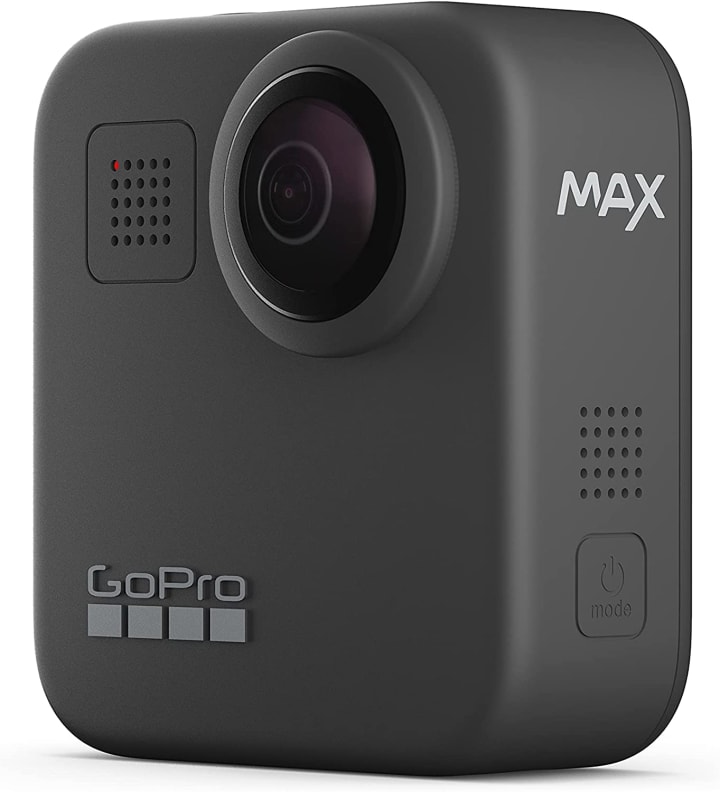
The history of 360 cameras can be traced back to the early 1990s when panoramic cameras were first introduced. These cameras used film and had to be manually rotated to capture a full 360-degree view. However, with the advent of digital photography and advancements in imaging technology, 360 cameras have become more popular and accessible. In 2000, the first consumer-grade 360 camera, the Roundshot VR Drive, was introduced. This camera used digital technology to capture 360-degree panoramas and was widely used in real estate and tourism. Over the years, advancements in technology have led to the development of more compact and affordable 360 cameras, such as the Ricoh Theta and GoPro Fusion. Today, 360 cameras are being used in a variety of industries, including gaming, journalism, and education. With the increasing popularity of virtual reality and augmented reality, 360 cameras are expected to become even more prevalent in the years to come.
The purpose of this article is to determine whether 360 cameras are worth the investment. While 360 cameras offer a unique and immersive way of capturing and experiencing the world around us, they also come with certain limitations and drawbacks. By exploring the advantages and disadvantages of 360 cameras, comparing them to traditional cameras, and providing factors to consider before buying one, this article aims to help readers make an informed decision on whether or not to invest in a 360 camera. Additionally, this article aims to provide readers with a better understanding of the capabilities and limitations of 360 cameras, as well as their potential applications in different industries.
***CLICK TO VIEW OUR CURATED LIST OF 360 CAMERAS***
II. Advantages of 360 Cameras
One of the main advantages of 360 cameras is the immersive experience they provide. By capturing a full 360-degree view of the surroundings, 360 cameras allow viewers to explore and interact with the image or video in a more engaging and interactive way. This can be particularly useful in industries such as tourism and real estate, where the ability to provide a virtual tour of a property or location can be a powerful marketing tool. 360 cameras can also be used in journalism to provide immersive coverage of events, allowing viewers to feel as though they are present at the scene. Additionally, 360 cameras are being used in gaming and virtual reality applications to create more immersive and interactive experiences for users. Overall, the immersive experience provided by 360 cameras can be a significant advantage for businesses and individuals looking to create engaging and interactive content.
Another significant advantage of 360 cameras is their ability to capture everything around them in a single shot. Traditional cameras have a limited field of view and require users to take multiple shots or panoramas to capture a full view of their surroundings. 360 cameras, on the other hand, capture a full 360-degree view in a single shot, making it easier and more efficient to capture and document the surroundings. This can be particularly useful in situations where time is limited or when it is not possible to move around to capture multiple shots. For example, 360 cameras can be used to capture sports events, concerts, and festivals, allowing viewers to feel as though they are part of the experience. Additionally, 360 cameras can be used in real estate to provide a comprehensive view of a property, which can be useful for buyers and renters who are unable to visit the property in person. Overall, the ability to capture everything in a single shot can be a significant advantage for businesses and individuals looking to document and share their surroundings.
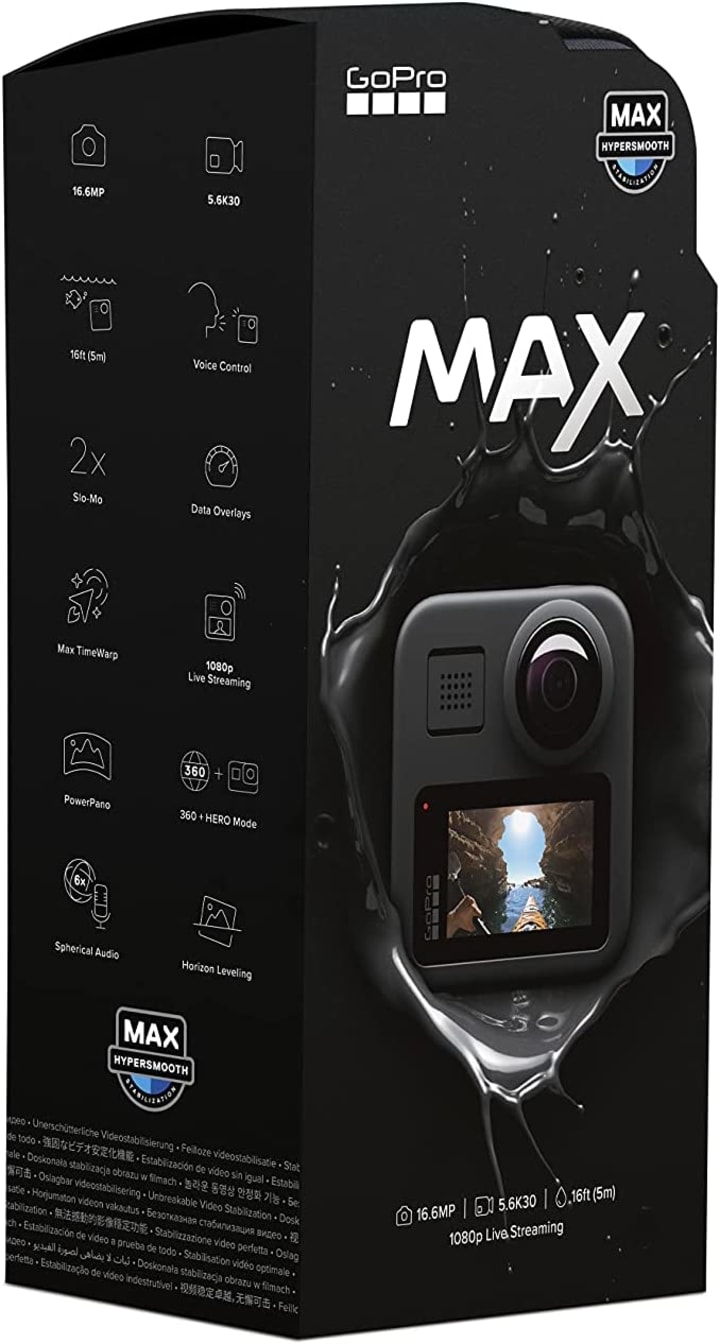
Another advantage of 360 cameras is that they are generally easy to use and share. Many 360 cameras are designed to be compact and portable, making them easy to carry around and use in different settings. Additionally, 360 cameras often come with user-friendly software that makes it easy to edit, stitch, and share the captured images or videos. This can be particularly useful for individuals and businesses who want to share their experiences or products with others. For example, real estate agents can use 360 cameras to capture virtual tours of properties and share them with potential buyers or renters. Similarly, businesses can use 360 cameras to create engaging and immersive marketing content that can be shared on social media or other online platforms. Overall, the ease of use and sharing provided by 360 cameras can be a significant advantage for businesses and individuals looking to create and share engaging and interactive content.
360 cameras are also highly versatile, offering a wide range of applications across various industries. Beyond their use in real estate, tourism, and virtual reality, 360 cameras can also be used in journalism, education, and entertainment. For instance, 360 cameras can be used to capture immersive coverage of news events, enabling viewers to experience the event as if they were present at the scene. In education, 360 cameras can be used to create immersive learning experiences, allowing students to explore different environments and subjects in a more engaging and interactive way. Additionally, 360 cameras can be used in entertainment, such as creating interactive music videos or live streaming concerts. With their versatility, 360 cameras offer a wide range of possibilities for businesses and individuals looking to create unique and engaging content across different industries.
***CLICK TO VIEW OUR CURATED LIST OF 360 CAMERAS***
III. Disadvantages of 360 Cameras
One of the main drawbacks of 360 cameras is their relatively high cost compared to traditional cameras. While there are now more affordable options available on the market, high-quality 360 cameras can still be quite expensive, often costing hundreds or even thousands of dollars. This can make it difficult for individuals and small businesses to justify the investment in a 360 camera, especially if they do not plan to use it frequently. Additionally, 360 cameras often require additional software and hardware to edit, stitch, and share the captured images or videos, adding to the overall cost. Overall, the high cost of 360 cameras is a significant drawback that may deter some individuals and businesses from investing in them.
Another drawback of 360 cameras is that the image quality can be limited compared to traditional cameras. While there are high-end 360 cameras that offer high resolution and image quality, many mid-range and budget 360 cameras produce images that are not as sharp or detailed as those captured by traditional cameras. This is because 360 cameras have to capture a wider field of view, which can result in distortion and lower image quality. Additionally, the stitching process used to combine the multiple images captured by a 360 camera can sometimes result in visible seams or stitching errors, further reducing the image quality. This can be a significant disadvantage for individuals and businesses that require high-quality images or videos for their work. However, it is important to note that the image quality of 360 cameras is constantly improving, and newer models are now available that offer higher resolution and better image quality than earlier models.
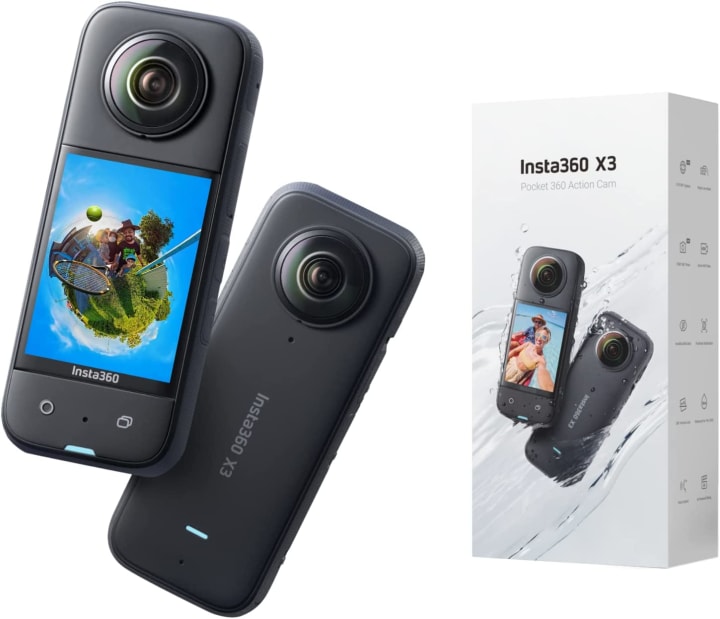
Another potential drawback of 360 cameras is compatibility issues with different devices and software. 360 cameras often require specialized software and hardware to edit, stitch, and share the captured images or videos. This can be challenging if the software or hardware is not compatible with the user's computer or mobile device. Additionally, some social media platforms and other online platforms may not support 360-degree images or videos, which can limit the sharing and distribution of the content. This can be a significant disadvantage for businesses and individuals looking to share their 360 content widely with their audience. However, it is important to note that many 360 cameras now come with user-friendly software that is compatible with a wide range of devices and platforms, and there are also third-party software and tools available to edit and share 360 content. Nevertheless, compatibility issues remain a potential drawback of 360 cameras that should be considered before making a purchase.
Another potential drawback of 360 cameras is their limited use case. While 360 cameras offer a unique and immersive way to capture and share images and videos, they may not be suitable for all types of content. For example, 360 cameras may not be ideal for capturing fast-paced action or sports events, as the movement can result in blurry or distorted images. Additionally, 360 cameras may not be the best option for capturing detailed close-up shots or portraits, as they are designed to capture a wider field of view. This can limit the use of 360 cameras for certain types of photography or videography. Furthermore, while 360 cameras can be used in various industries, they may not be relevant or necessary for some businesses or individuals. Therefore, it is important to consider the specific use case before investing in a 360 camera, to ensure that it aligns with the user's needs and goals.
***CLICK TO VIEW OUR CURATED LIST OF 360 CAMERAS***
IV. Comparison to Traditional Cameras
When comparing the image quality of 360 cameras to traditional cameras, there are some key differences to consider. Traditional cameras typically capture a narrower field of view than 360 cameras, resulting in higher image quality and less distortion. Traditional cameras can also capture more detailed close-up shots and portraits, as well as faster-paced action and sports events with less blur.
On the other hand, 360 cameras are designed to capture a wide field of view, allowing viewers to experience a fully immersive and interactive environment. While the image quality of 360 cameras has historically been lower than traditional cameras, newer models are now available that offer higher resolution and better image quality. Additionally, 360 cameras can capture images and videos from unique angles and perspectives, providing a fresh and engaging way to experience the world.
Ultimately, the choice between a traditional camera and a 360 camera depends on the user's specific needs and goals. If the user requires high-quality, detailed images or videos of specific subjects or events, a traditional camera may be the best option. However, if the user wants to capture immersive and interactive content that allows viewers to experience a wide range of perspectives, a 360 camera may be the better choice.

When it comes to cost, traditional cameras tend to be more affordable than 360 cameras. Depending on the specific features and quality desired, traditional cameras can range from budget-friendly options under $100 to high-end professional models that can cost several thousand dollars.
In comparison, 360 cameras can be more expensive due to their specialized hardware and software. While there are now more affordable options available, high-quality 360 cameras can still cost several hundred to several thousand dollars. Additionally, users may need to invest in additional software and hardware to edit, stitch, and share their 360 content, which can add to the overall cost.
However, it is important to consider the specific use case when comparing the cost of traditional cameras and 360 cameras. For certain industries or applications, the unique capabilities and immersive experience offered by 360 cameras may be worth the investment. Additionally, the cost of 360 cameras is decreasing as the technology becomes more widely adopted, making them a more accessible option for individuals and businesses. Ultimately, the decision between a traditional camera and a 360 camera should be based on the user's specific needs and budget.
When comparing the use cases of traditional cameras and 360 cameras, there are some key differences to consider. Traditional cameras are generally better suited for capturing specific subjects or events, such as portraits, landscapes, sports events, or concerts. They are ideal for capturing high-quality, detailed images or videos of specific moments or scenes.
On the other hand, 360 cameras are designed to capture a wide field of view, allowing viewers to experience a fully immersive and interactive environment. They are ideal for capturing 360-degree photos and videos of unique locations or events, such as travel destinations, cultural events, or outdoor adventures. 360 cameras can provide a fresh and engaging way to experience the world, and can be used in various industries, such as real estate, tourism, or marketing.
Furthermore, 360 cameras can be used to create virtual reality (VR) content, allowing users to fully immerse themselves in a simulated environment. This can be particularly useful for training and education purposes, as well as for entertainment and gaming applications.
Ultimately, the choice between a traditional camera and a 360 camera depends on the user's specific needs and goals. While traditional cameras are ideal for capturing specific moments or subjects in high quality, 360 cameras offer a unique and immersive way to experience and share the world.
***CLICK TO VIEW OUR CURATED LIST OF 360 CAMERAS***
V. Factors to Consider Before Buying a 360 Camera
When considering whether 360 cameras are worth the investment, it's important to consider the intended use. 360 cameras are well-suited for creating immersive, interactive experiences that allow viewers to explore and engage with their surroundings. As a result, they are ideal for a range of applications, including virtual tours, real estate, tourism, and marketing.
For example, real estate agents can use 360 cameras to create virtual tours of homes and apartments, allowing potential buyers to explore the property from the comfort of their own home. This can save time and resources for both the buyer and the seller, and can increase the likelihood of a sale. Similarly, tourism companies can use 360 cameras to create immersive travel experiences, showcasing popular destinations and attractions in a new and engaging way.
360 cameras can also be useful for training and educational purposes, particularly in industries such as healthcare, engineering, and manufacturing. By creating immersive simulations and training scenarios, 360 cameras can help users develop skills and knowledge in a more engaging and interactive way.
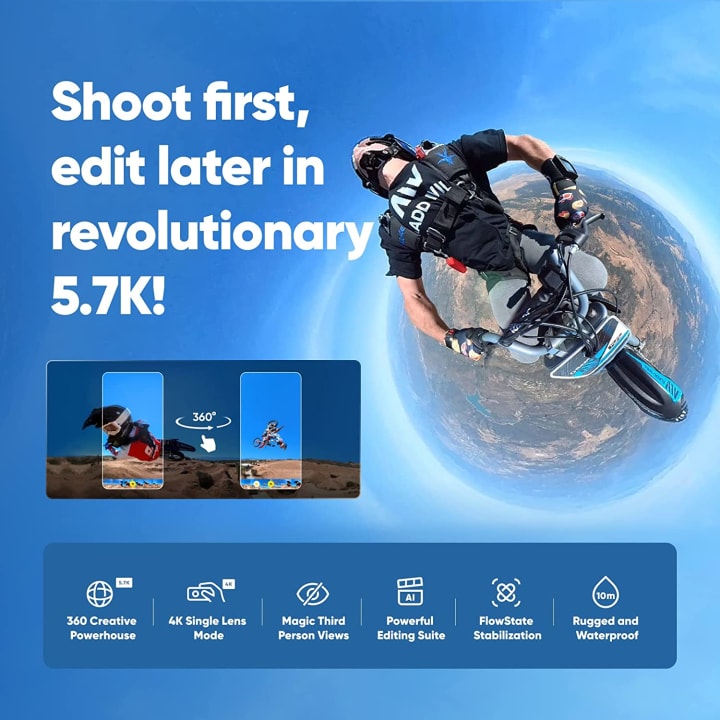
However, if the intended use does not involve creating immersive experiences or simulations, a traditional camera may be a better option. For example, if the user needs to capture specific moments or subjects in high quality, a traditional camera may be more appropriate. Ultimately, the decision to invest in a 360 camera should be based on the intended use and the specific needs and goals of the user.
Budget is an important factor to consider when deciding whether 360 cameras are worth the investment. While there are now more affordable options available, high-quality 360 cameras can still be expensive, ranging from several hundred to several thousand dollars. Additionally, users may need to invest in additional software and hardware to edit, stitch, and share their 360 content, which can add to the overall cost.
If the user has a limited budget, a traditional camera may be a more appropriate choice. Traditional cameras are generally more affordable than 360 cameras, and there are many budget-friendly options available that can still capture high-quality images and videos.
However, it's important to note that the cost of 360 cameras is decreasing as the technology becomes more widely adopted. There are now more affordable options available that offer a good balance between price and quality. It's also worth considering the potential return on investment when deciding whether to invest in a 360 camera. If the user is a professional photographer, videographer, or marketer, the ability to create immersive and engaging content could lead to new clients or increased sales.
Ultimately, the decision to invest in a 360 camera should be based on the user's budget and the potential return on investment. If the user has a limited budget and does not require the unique capabilities of a 360 camera, a traditional camera may be a better option. However, if the user can afford to invest in a 360 camera and can see the potential benefits, it could be a worthwhile investment in the long run.
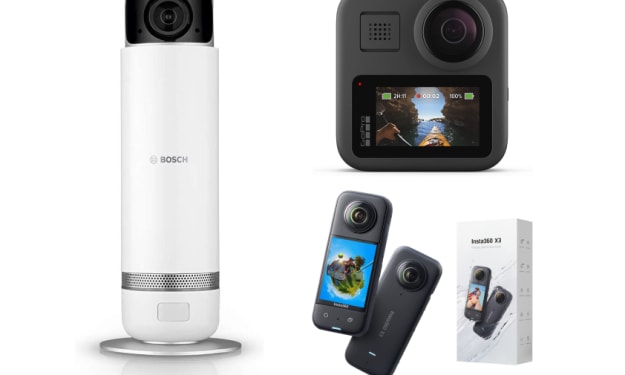
When considering whether 360 cameras are worth the investment, image quality is an important factor to consider. While 360 cameras offer a unique way to capture and share immersive content, the image quality can sometimes be lower than what traditional cameras offer. This is due to the nature of how 360 cameras capture images - they use multiple lenses to capture a full 360-degree view, and then stitch those images together to create a seamless 360-degree image or video.
However, it's worth noting that the image quality of 360 cameras has been improving in recent years. Some newer 360 cameras are now capable of capturing high-resolution images and videos, rivaling the quality of traditional cameras. Additionally, the use of advanced image stabilization technologies can help to reduce motion blur and improve image clarity.
When comparing the image quality of traditional cameras and 360 cameras, it's important to consider the intended use. If the user needs to capture highly detailed images of specific subjects or events, a traditional camera may be a better option. However, if the user wants to create immersive and interactive experiences, a 360 camera may be a better choice.
Ultimately, the decision to invest in a 360 camera should be based on the user's specific needs and goals. If the user values the unique capabilities of 360 cameras for creating immersive and interactive content, and can find a high-quality 360 camera within their budget, it could be a worthwhile investment. However, if the user requires the highest possible image quality for their specific needs, a traditional camera may be a better choice.
Compatibility is another factor to consider when deciding whether 360 cameras are worth the investment. Some 360 cameras may not be compatible with certain devices or software, which can limit the user's ability to edit, stitch, and share their 360 content.
One of the main compatibility concerns with 360 cameras is software. Many 360 cameras require specialized software to edit and stitch their images and videos into a seamless 360-degree view. Some cameras may come with their own proprietary software, while others may require third-party software. It's important to check whether the user's computer or device is compatible with the necessary software before investing in a 360 camera.
Another compatibility concern is the ability to share 360 content on various platforms. While 360 content can be shared on social media platforms like Facebook and YouTube, some platforms may not support 360-degree videos or images. This can limit the user's ability to reach a wider audience with their 360 content.
When considering compatibility, it's important to research the specific 360 camera and its compatibility with the user's devices and software. Additionally, it's worth considering the user's intended use and how they plan to share their 360 content. If the user requires compatibility with specific devices or platforms, they should ensure that the 360 camera they choose is compatible with those requirements.
Ultimately, while compatibility can be a concern with 360 cameras, there are many options available that offer compatibility with a wide range of devices and software. It's important to do research and choose a 360 camera that meets the user's specific compatibility requirements.
***CLICK TO VIEW OUR CURATED LIST OF 360 CAMERAS***
VI. Conclusion
In conclusion, 360 cameras can offer a unique way to capture and share immersive content, but whether they are worth the investment depends on the user's specific needs and goals. 360 cameras have several advantages, including the ability to create immersive experiences, capture everything in a scene, ease of use and share, and versatility. However, there are also potential drawbacks to consider, including high cost, limited image quality, compatibility issues, and limited use cases.
When deciding whether to invest in a 360 camera, it's important to consider factors such as image quality, compatibility, and intended use. If the user values the unique capabilities of 360 cameras for creating immersive and interactive content, and can find a high-quality 360 camera within their budget, it could be a worthwhile investment. However, if the user requires the highest possible image quality for their specific needs, a traditional camera may be a better choice. Additionally, it's important to research the specific 360 camera and its compatibility with the user's devices and software.
Overall, 360 cameras can be a valuable tool for capturing and sharing immersive content, but users should carefully consider their needs and goals before investing in one. With the right choice and use, a 360 camera can enhance the user's content creation and provide a unique and engaging experience for viewers.
Summary of advantages and disadvantages
Here is a summary of the advantages and disadvantages of 360 cameras:
Advantages:
- Immersive experience: 360 cameras offer a unique way to capture and share immersive content.
- Ability to capture everything: 360 cameras can capture an entire scene in a single shot.
- Easy to use and share: Many 360 cameras are designed to be user-friendly and allow for easy sharing of content.
- Versatile: 360 cameras can be used for a variety of applications, including virtual tours, events, and more.
Disadvantages:
- High cost: Some 360 cameras can be expensive compared to traditional cameras.
- Limited image quality: 360 cameras may not offer the same level of image quality as traditional cameras.
- Compatibility issues: Some 360 cameras may not be compatible with certain devices or software, which can limit the user's ability to edit, stitch, and share their 360 content.
- Limited use case: 360 cameras may not be suitable for all types of photography or videography.
***CLICK TO VIEW OUR CURATED LIST OF 360 CAMERAS***
Ready to invest? Check out your recommendations
Based on the advantages and disadvantages discussed, whether a 360 camera is worth the investment depends on the user's specific needs and goals. If the user values the unique capabilities of 360 cameras for creating immersive and interactive content, and can find a high-quality 360 camera within their budget, it could be a worthwhile investment. However, if the user requires the highest possible image quality for their specific needs, a traditional camera may be a better choice.
Ultimately, if the user is looking to capture immersive content and engage their audience in a new and unique way, a 360 camera could be a valuable tool. However, it's important to research and carefully consider the specific camera and its compatibility with the user's devices and software before making a purchase. With the right choice and use, a 360 camera can enhance the user's content creation and provide a unique and engaging experience for viewers.
Future outlook for 360 cameras
The future outlook for 360 cameras is positive, as the technology continues to improve and become more accessible. As 5G networks become more widely available, 360 cameras will be able to transmit live content with greater ease and quality, leading to more interactive and immersive experiences for viewers. Additionally, advancements in artificial intelligence and machine learning will make it easier to stitch and edit 360 content, reducing the amount of time and expertise required to create compelling immersive content.
Moreover, the increasing demand for virtual and augmented reality experiences is driving the growth of the 360 camera market. Industries such as real estate, travel and tourism, and e-commerce are already utilizing 360 cameras to create virtual tours and immersive product showcases. As the technology becomes more widely available and affordable, we can expect to see even more applications for 360 cameras in various fields such as education, entertainment, and sports.
In summary, the future of 360 cameras looks promising, with the potential for even more immersive and interactive content creation. As the technology continues to evolve and become more accessible, we can expect to see more innovative and creative uses of 360 cameras in the coming years.
***CLICK TO VIEW OUR CURATED LIST OF 360 CAMERAS***
...........................................................................
As an Amazon Associate, I earn from qualifying purchases. This means that if you make a purchase through my links, I may earn a commission at no additional cost to you. I only recommend products that I have personally used and believe are of high quality and value. The reviews and opinions expressed in this article are my own and are based on my experience with the products. However, please do your own research and due diligence before making any purchase decisions. Thank you for your support!
About the Creator
Keep reading
More stories from Ndi Derek Giyoh and writers in Journal and other communities.
360 Cameras
Introduction 360 cameras, also known as omnidirectional cameras, are a type of camera that can capture a 360-degree view of their surroundings. These cameras use multiple lenses to capture images and videos from all angles, and then stitch them together to create a seamless panoramic view. The result is an immersive and interactive viewing experience, where viewers can explore the entire scene as if they were physically present at the location where the image or video was captured.
By Ndi Derek Giyoh3 years ago in Journal
Author’s Advice
If you would’ve asked me 20 years ago did I know I’d become a writer and an author, I would’ve said “nope, ain’t happening”. As fate would have it I did become an author and I can honestly say I’m loving it so far. It really does feel good to be a writer. I’ve learned a lot on this journey and I feel like with even me being as new to this world as I am, there’s some wisdom I need to share with every other aspiring author.
By Joe Patterson3 days ago in Journal
Why Didn't Anyone Tell Us
Men, move along. This is not for you. This is for the women. I was forty-five when I began menopause. It is pretty young for that to be going on in a woman’s life, but I had undiagnosed PCOS, my entire life. Thank you to all the gynecologists I had seen my entire life. That in itself should encourage women to keep seeking second opinions, especially when you are not getting correct answers or any at all.
By Alexandra Grant4 days ago in Humans



Comments
There are no comments for this story
Be the first to respond and start the conversation.