
Arabic Calligraphy: A Masterful Art Form
Arabic Calligraphy

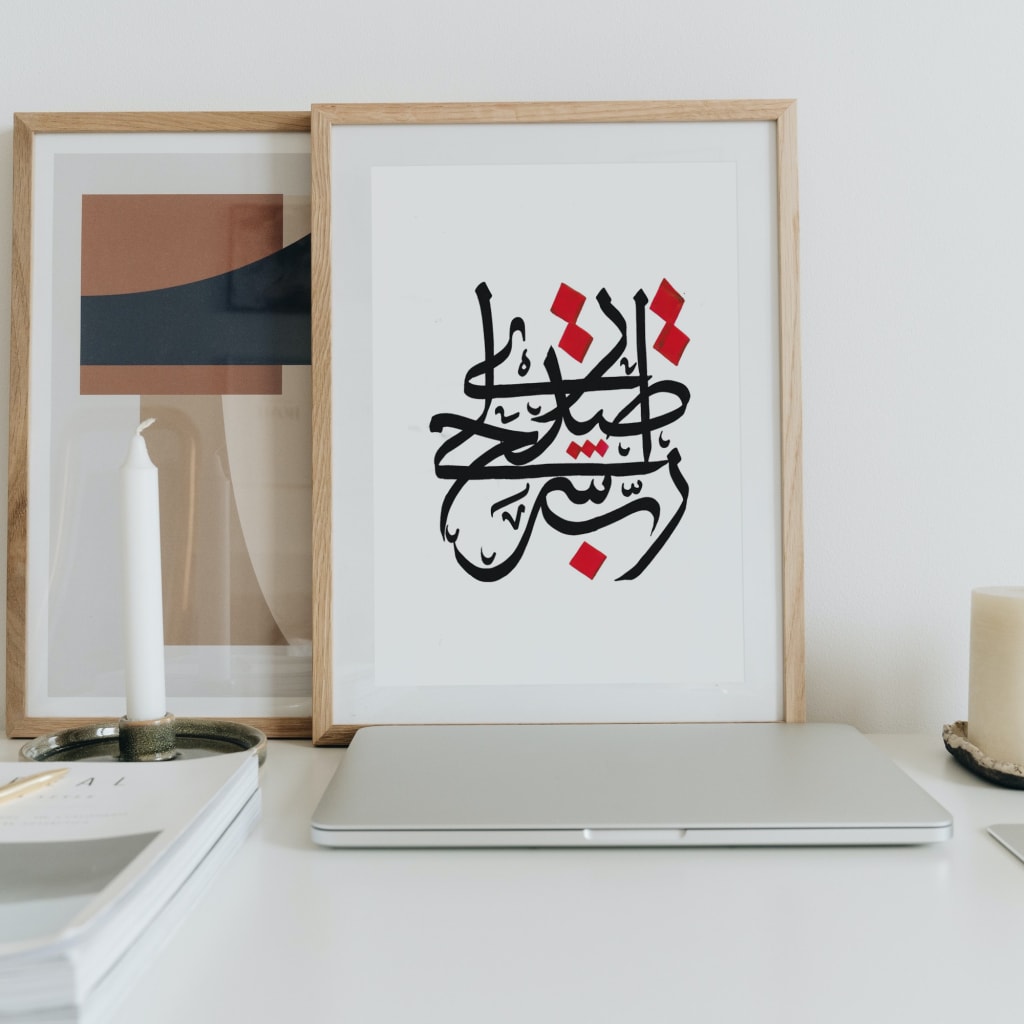
Arabic calligraphy is an ancient and revered form of art that dates back over a thousand years. It is the traditional form of writing the Arabic script, used in the creation of decorative calligraphic works of poetry, religious texts, and everyday written documents. The script itself is characterized by its elegant and flowing curves, which are achieved through the use of specialized writing tools, including the reed pen, the inkpot, and high-quality paper.
The art of Arabic calligraphy is highly prized and considered a significant aspect of Islamic cultural heritage. It is not just a form of writing, but also an intricate and beautiful decorative art that is considered one of the most important cultural expressions of the Islamic world. The calligraphers themselves were often regarded as highly skilled artists and were commissioned to create elaborate and ornate works of art that celebrated the beauty of the Arabic script.
One of the most famous forms of Arabic calligraphy is the Kufic script, which was developed during the early years of Islam and was used to adorn the walls of mosque interiors, palaces, and tombs. The script is characterized by its angular shapes and sharp lines, and it is considered to be one of the earliest forms of Arabic calligraphy.
Another popular form of Arabic calligraphy is the Naskh script, which is considered the most legible form of the script and was widely used for the production of books and manuscripts. The script is characterized by its rounded shapes and flowing lines, and it is considered to be one of the most beautiful forms of Arabic calligraphy.
In addition to its artistic value, Arabic calligraphy is also considered an important religious symbol, representing the word of God in the Islamic world. Calligraphers often create works of art that include verses from the Quran, which is considered the holy book of Islam. These calligraphic works of art are highly prized and are considered a symbol of devotion and piety.
Despite its long history and cultural significance, Arabic calligraphy is still a thriving art form today. Many contemporary artists continue to work in the traditional styles, creating works of art that celebrate the beauty and elegance of the Arabic script. In addition, new forms of calligraphy have emerged that incorporate elements of contemporary design, making this ancient art form accessible and relevant to modern audiences.
Arabic Calligraphy: A Timeless Expression of Art and Culture
Arabic calligraphy is not just a way of writing, but also a form of art that has been revered for centuries. It is the traditional way of writing the Arabic script, which is considered one of the most beautiful writing systems in the world. The script is characterized by its fluid and flowing lines, created using specialized tools such as the reed pen and inkpot.
The art of Arabic calligraphy has a rich history that can be traced back over a thousand years, to the early days of Islam. During this time, the Arabic script was used to adorn the walls of mosque interiors, palaces, and tombs, as well as for the production of books and manuscripts. Calligraphers were highly regarded and considered to be skilled artists, who created works of art that celebrated the beauty of the Arabic script.
There are several different styles of Arabic calligraphy, each with its own unique characteristics. Some of the most famous styles include the Kufic script, which is characterized by its angular shapes and sharp lines, and the Naskh script, which is known for its rounded shapes and flowing lines. Another popular style is the Thuluth script, which is characterized by its elegant curves and is often used for calligraphic works of poetry and religious texts.
In addition to its artistic value, Arabic calligraphy is also an important religious symbol in the Islamic world. Many calligraphic works of art feature verses from the Quran, which is considered the holy book of Islam. These works of art are highly prized and are considered a symbol of devotion and piety.
Despite its long history, Arabic calligraphy is still a thriving art form today. Many contemporary artists continue to work in the traditional styles, creating works of art that celebrate the beauty and elegance of the Arabic script. In addition, new forms of calligraphy have emerged that incorporate elements of contemporary design, making this ancient art form accessible and relevant to modern audiences.
In conclusion, Arabic calligraphy is a timeless expression of art and culture that has been passed down through the generations for over a thousand years. Its fluid and flowing script, combined with its cultural and religious significance, make it a unique and beautiful form of art that continues to inspire and captivate audiences around the world. Whether viewed as an important religious symbol or as a work of art, Arabic calligraphy is truly a masterpiece of human creativity and ingenuity.
About the Creator
ansam yousry
Work as data engineer , experienced in data analyst and DWH , Write technical articles and share my life experience
Keep reading
More stories from ansam yousry and writers in Journal and other communities.
When Writing a Resume What Tense Should Be Used? (Complete Guide)
Writing a resume may seem simple, but even small grammar mistakes can significantly affect your chances of landing an interview. One of the most common questions job seekers ask is: when writing a resume what tense should be used?
By Ramsha Riaz7 days ago in Journal



Comments
There are no comments for this story
Be the first to respond and start the conversation.