
Apple Quietly Boosts Repair Options for iPhone and iPad Users
For Apple, supporting self-repair might also build loyalty

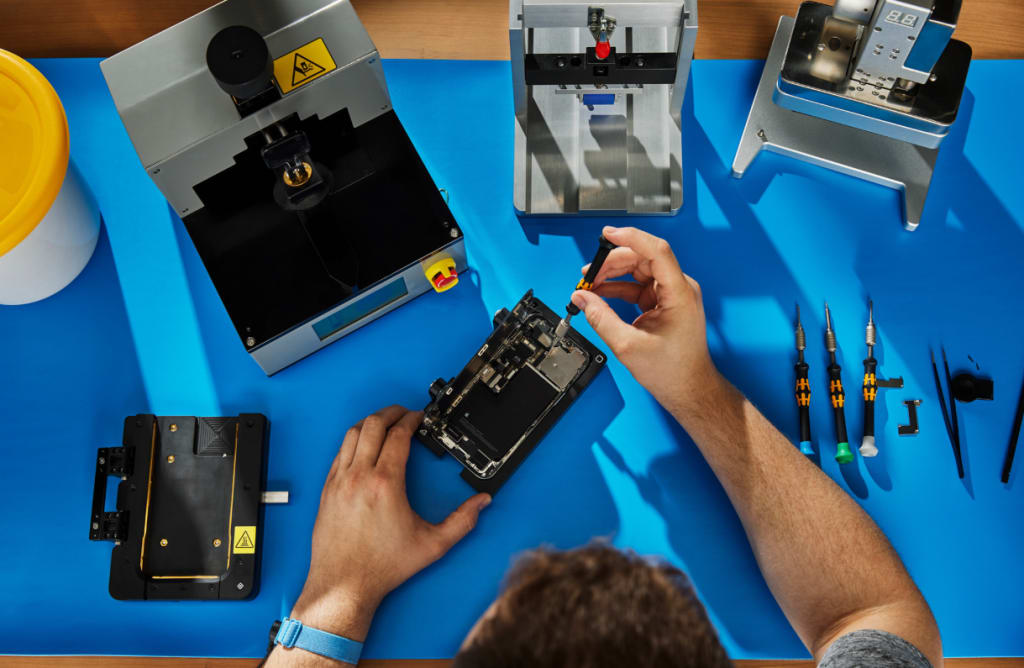
Apple recently improved how it supports repairs for iPhones and iPads. The company expanded its self-service repair program. More models are now eligible. More parts and manuals are available. This change brings good news for people who like to fix their devices themselves — or who just want easier, cheaper repair options.
Traditionally, if your iPhone or iPad broke, you had to go to an Apple Store or a licensed repair shop. That often meant a long wait or higher costs. Apple’s self-service repair program, launched a few years ago, offered parts and guides for a few devices. But many users still found it hard to get parts or unclear how to do the repair.
Now Apple widened access. More device models — including older and newer ones — are part of the program. Users around the world can order genuine Apple parts, tools, and step-by-step guides. The parts come with serial-number matching to keep device security intact. Apple says this helps people who want control over their devices. It helps cut wait times. It helps reduce the electronic waste that builds when people throw away broken devices.
This shift shows Apple recognizes something important: people don’t want to replace a device because of a small broken part. A cracked screen, damaged battery, or faulty button doesn’t mean a new phone — sometimes it just means a new part. With official parts and instructions, users can restore their device on their own schedule.
For many, this means savings. Repair shops — even official ones — can cost more. Self-service offers a cheaper, more flexible alternative. It also helps tech-savvy users who know their way around tools. If you feel confident opening your phone, you might save money and time.
Apple still cautions: not all repairs are easy. Some parts, especially on newer models, remain complex. The company recommends careful reading of guides and safety precautions. It also warns that self-repair may void certain warranties if done incorrectly. But for many people, the benefits outweigh the risks.
Repair freedom also supports sustainability. Devices that stay functional longer reduce waste. Fewer devices end up discarded. Apple’s expansion of self-service can make a positive environmental difference — especially if many users embrace it rather than buy new phones.
This move could influence the broader tech world. If large companies make repairs easier, others may follow. Repair-friendly practices might become standard. Consumers may start asking for repairability along with specs and design. That could change how phones are built — with easier disassembly in mind.
For Apple, supporting self-repair might also build loyalty. People who trust that they can fix their devices may feel more attached to the brand. They may avoid switching to other phones — even older models — because they know they can maintain and repair what they already own.
The expanded program applies not only to iPhones but also to iPads. Tablets often suffer screen cracks or battery wear after years. Having parts available for reuse adds extra value to older iPads. Users can keep devices longer, which could also make accessories, cables, and cases more useful over time.
For everyday users, the change may not feel dramatic at first. Many people still rely on Apple Stores or local shops. But over time, as parts become easier to get and more known, self-repair may grow in popularity. People who never considered it before might now give it a try — especially if their device is old, needs a simple fix, or if shop wait times are long.
This update also comes at a time when global supply chains remain unpredictable. Parts shortages and shipping delays have hit many industries. By offering parts directly — and encouraging users to repair — Apple reduces dependency on third-party inventories and long sourcing chains. It helps users and the environment while strengthening trust in Apple’s reliability.
Still, self-repair is not for everyone. You need the right tools, steady hands, and some technical knowledge. Apple makes mistakes easy to avoid. But if you try a repair and slip up, the damage could be worse. The safety is partly on the user. Apple’s guide warns about that. So this program fits people who are careful and willing to learn.
In the end, Apple’s move turns the device-owning experience more flexible. It gives power back to users. It mixes trust, responsibility, and support rather than pushing for replacements. For many, that change feels modern and respectful.
If you own an iPhone or iPad — and especially if you value longevity — this update might matter. It may save money. It may cut waste. It may give peace of mind knowing your investment can last longer.
This behind-the-scenes update doesn’t feel flashy. It doesn’t come with big ads or fanfare. But it could quietly reshape how we own and care for our devices — for years to come.
About the Creator
Shakil Sorkar
Welcome to my Vocal Media journal💖
If my content inspires, educates, or helps you in any way —
💖 Please consider leaving a tip to support my writing.
Every tip motivates me to keep researching, writing, sharing, valuable insights with you.
Keep reading
More stories from Shakil Sorkar and writers in Journal and other communities.
Apple’s New AI Rollout Sparks Global Buzz
Apple is in the spotlight again today. The company has started rolling out new Apple Intelligence features to more users around the world. This update is one of the biggest topics in tech news right now. People are talking about how Apple is finally pushing AI more deeply into everyday tools.
By Shakil Sorkar3 months ago in Journal
Author’s Advice
If you would’ve asked me 20 years ago did I know I’d become a writer and an author, I would’ve said “nope, ain’t happening”. As fate would have it I did become an author and I can honestly say I’m loving it so far. It really does feel good to be a writer. I’ve learned a lot on this journey and I feel like with even me being as new to this world as I am, there’s some wisdom I need to share with every other aspiring author.
By Joe Patterson2 days ago in Journal




Comments
There are no comments for this story
Be the first to respond and start the conversation.