
Apple Eyes New Biometric Sensor to Track Blood Sugar in Future Devices
A bold health-tech move could help millions manage glucose without a blood test

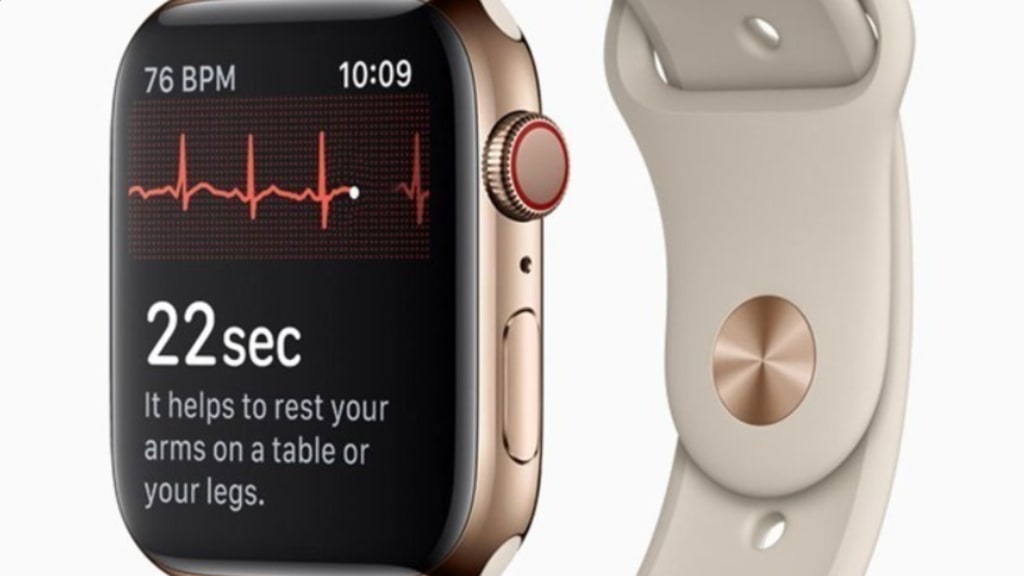
Apple is reportedly working on a new biometric sensor that can measure blood sugar levels. This is a big step for Apple’s health technology. Instead of pricking your finger, future devices might check glucose through the skin. If Apple succeeds, this sensor could change how people monitor diabetes and health every day.
Why Apple Is Interested in Glucose Monitoring
Many people around the world live with diabetes or prediabetes. These conditions require regular glucose checks. Most current monitors need a small prick or an implanted sensor. Apple wants to make it easier and less invasive.
This kind of innovation fits Apple’s long-term health strategy. The company already tracks heart rate, ECG, blood oxygen, and sleep. Glucose monitoring is the next big gap. If Apple builds a non-invasive sensor, it could help many users check their levels without pain.
Apple sees it as both a health tool and a product opportunity. The company can integrate this sensor into future Apple Watches or even iPhones. With its strong hardware background, Apple may be well positioned to solve the technical challenges.
How the Sensor Might Work
Based on insider reports, Apple’s sensor may use light or advanced optics. Instead of a needle, the device could shine a light into the skin. The light would measure glucose in interstitial fluid (the fluid just under the skin). Then Apple’s algorithms would translate that reading into a glucose level.
Several challenges remain. The sensor must be very accurate. Small errors in glucose reading can be dangerous. Apple needs to make it reliable enough for medical or personal use.
Another issue is calibration. Many current non-invasive sensors require regular calibration against a traditional glucose meter. Apple would need to find a way to limit or eliminate frequent calibration if it wants the sensor to feel really seamless.
Potential Devices with the Sensor
Apple could include this sensor in future Apple Watches. That would make the Watch not just a fitness tracker, but a genuine health tool. Users could see their glucose trends each morning, without needing a finger prick.
Another possibility is integrating the sensor into future iPhones. This would let users scan their finger or wrist to check blood sugar. It could pair with Health app features, showing glucose trends alongside activity and sleep.
Apple may also build a separate health accessory. For example, a small wearable band or patch that pairs with the iPhone. This device could serve people who do not want to change their Watch but still need glucose tracking.
Why This Could Matter for Users
If Apple delivers this feature, it could mean:
• Less pain and hassle for people who check glucose often
• More awareness of glucose trends throughout the day
• A chance to catch high or low glucose before it becomes dangerous
• Better integration of health data with other metrics like heart rate or activity
• A tool for non-diabetic users to monitor overall metabolic health
Users would not need to carry a separate glucose monitor. Their Apple Watch or iPhone would become a health device. This could encourage more people to track their health daily, not just when they feel unwell.
Challenges and Risks for Apple
This is a very hard problem to solve. Non-invasive glucose monitoring has defeated many companies in the past. Accuracy is the top issue. If readings are wrong, they could mislead users. That could be dangerous.
Apple also needs regulatory approval. To offer real glucose readings, not just estimates, the sensor must pass medical-device standards in multiple countries. That process takes time and money.
Power consumption is another risk. Measuring glucose using optics or light-based methods may drain the battery quickly. Apple must design the sensor so it is accurate and power-efficient.
Finally, Apple must decide whether it sells this as a “health-tech tool” or a “medical device.” The pricing and function will depend on that choice. Apple must balance cost, benefit, and regulation carefully.
What This Could Mean for Apple’s Health Vision
Apple has long said that its mission is to empower people to stay healthy. Adding glucose monitoring could make Apple devices even more central to health management. For many users, Apple Watches could become essential, not just for fitness, but for medical insight.
This sensor aligns with Apple’s emphasis on privacy too. If processed correctly, glucose data could stay on device. That keeps sensitive health data safe. Apple could offer strong privacy protections, ensuring that health metrics remain personal.
By building its own sensor, Apple can also set new standards in accuracy and usability. Instead of relying on third-party device makers, Apple can tightly integrate hardware and software. That integration could produce a better, more reliable experience.
Final Thoughts
Apple’s reported work on a non-invasive glucose sensor is ambitious — but it could be revolutionary. If Apple pulls it off, many people could benefit from easier, more frequent blood sugar tracking. It would be a major step in Apple’s health-tech journey.
There are big technical and regulatory hurdles ahead, but Apple has the vision and capacity to make it happen. With the right design, this sensor could turn the Apple Watch or iPhone into a powerful health tool for millions.
Apple is not just building another product. It is building a way for people to live more informed and healthier lives. And that could make all the difference.
___________________________________________________
#AppleHealth #GlucoseMonitoring #HealthTech #AppleNews #Smartwatch #Biotech #Apple2025 #Innovation #WearableHealth #SimpleTech
About the Creator
Shakil Sorkar
Welcome to my Vocal Media journal💖
If my content inspires, educates, or helps you in any way —
💖 Please consider leaving a tip to support my writing.
Every tip motivates me to keep researching, writing, sharing, valuable insights with you.
Keep reading
More stories from Shakil Sorkar and writers in Journal and other communities.
Apple Shelves Cheaper Vision Pro, Pivots to AI Smart Glasses
Apple is changing its hardware plans. The company has paused work on a cheaper version of the Vision Pro headset. Instead, it is focusing on AI-powered smart glasses. This is a major move that could shape the next decade of Apple devices.
By Shakil Sorkar4 months ago in Journal
Author’s Advice
If you would’ve asked me 20 years ago did I know I’d become a writer and an author, I would’ve said “nope, ain’t happening”. As fate would have it I did become an author and I can honestly say I’m loving it so far. It really does feel good to be a writer. I’ve learned a lot on this journey and I feel like with even me being as new to this world as I am, there’s some wisdom I need to share with every other aspiring author.
By Joe Patterson3 days ago in Journal



Comments
There are no comments for this story
Be the first to respond and start the conversation.