
Apple Expands U.S. Glass Production for iPhones and Watches
A move to bring more manufacturing back home

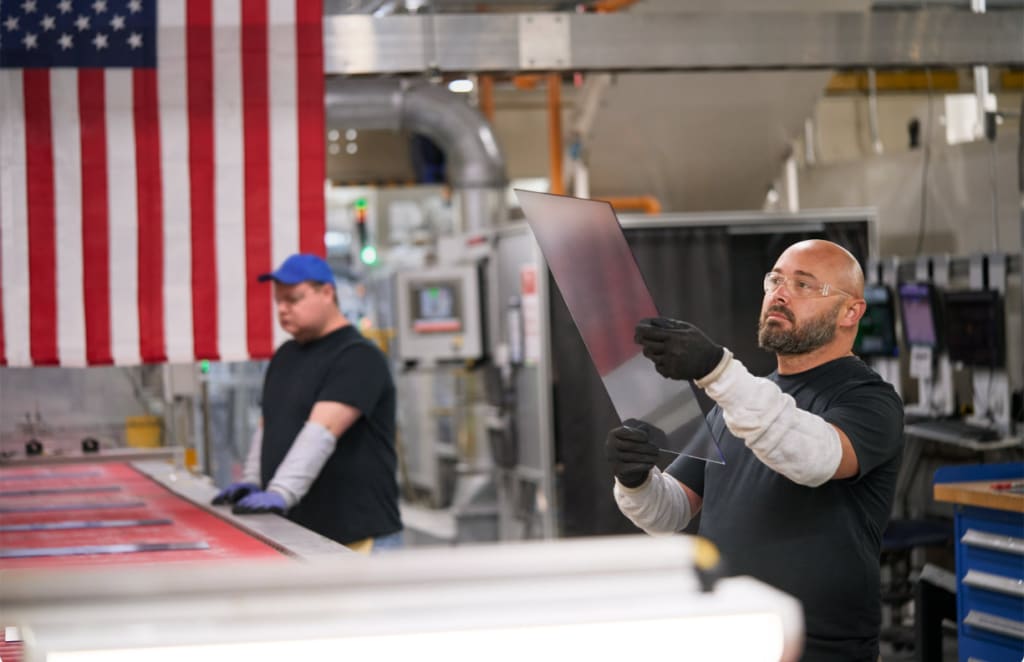
Apple announced it will expand how it makes glass for iPhones and Apple Watches — and the company is shifting a major part of that production to the United States. This is a big change in how Apple builds its devices. It may affect quality, supply chains, and the global manufacturing map.
What’s Changing
The glass used for phone screens and watch faces used to come from many factories around the world. Now, Apple plans to have a larger share of this glass come from a U.S.-based plant. The plant will increase its output. Apple aims to produce a large portion of its future glass needs in America.
This change covers both iPhone cover glass and Apple Watch glass. In other words: the screens and covers of two of Apple’s most popular products will now use glass made under this new plan. Apple hopes this will give it more control — over timing, quality, and supply.
Why Apple Is Doing This
There are several reasons behind this move. First: reliability. Global supply chains have shown weaknesses in past years. By moving production closer to home, Apple may reduce risks related to shipping delays or raw-material shortages.
Second: quality control. With manufacturing nearby, Apple can watch over production more closely. This can help catch defects early. It can ensure consistency globally. For customers, this may mean better durability and fewer glass failures.
Third: responsiveness. If demand changes — for example, after a new product launch — Apple can adjust production faster. U.S.-based manufacturing gives more agility than overseas factories far away.
Finally: public relations and regulation. Manufacturing in the U.S. often carries benefits: economic support for local workers, and more transparent working conditions. For Apple, it can show a commitment to responsible sourcing and sustainability.
What It Means for Users
For iPhone and Apple Watch owners, this change may be mostly invisible. Users may not notice exactly where the glass was made. But over time, the effects could show up: fewer broken screens, better batch consistency, maybe even improved glass strength.
For people who like buying new Apple devices — especially soon after release — this plan may help avoid delays. If Apple keeps stock up, popular models may stay available longer.
There’s another potential benefit: environmental impact. Reducing long-distance shipping can lower pollution. Using cleaner, controlled factories might help Apple meet its environmental goals. It’s part of a larger trend where companies try to make supply chains more local and greener.
What It Means for the Industry
Apple’s shift could influence other tech companies. If moving critical parts production to the U.S. works well, others may follow. This could reshape global manufacturing. The electronics industry might see more regional factories, especially for key components like glass, chips, or displays.
This also changes competition. Companies used to relying on overseas factories may slow down their plans. They might need to rethink logistics. In the long run, this could increase local jobs and reduce global supply fragility.
Possible Challenges Ahead
The plan is ambitious. But challenges exist. First, production capacity: scaling up glass manufacturing is not easy. Facilities need precision, quality control, and reliable supply chains for raw materials. If demand spikes too fast, factories may struggle to meet it.
Second, cost. Manufacturing in the U.S. tends to cost more than in some overseas locations. Apple may absorb the cost — or it may reflect in product prices. Consumers might see higher prices or smaller profit margins for Apple if costs rise.
Third, time. Building or expanding factories takes time. Ramping up production and training staff doesn’t happen overnight. There might be delays or transitional issues until the new glass flow stabilizes.
Fourth, global demand: Apple sells globally. Even if glass comes from the U.S., shipping devices worldwide still involves global logistics. This limits how much the shift can reduce international shipping impact.
Why It Matters Now
In recent years, tech companies saw how fragile global supply chains can be. Natural disasters, pandemics, political tensions — all can slow production. Apple’s move seems to come from a desire to protect itself against such risks.
Also, the demand for new iPhones and Apple Watches remains strong. Many people upgrade frequently. Apple must keep up. Having a stable, local glass supply can help maintain production rhythm. It can also support new product launches without glass delays.
Finally, consumers care more about where and how products are made. Many want ethical sourcing, better labor practices, and lower environmental impact. By producing glass in the U.S., Apple may meet more of these expectations.
Final Thoughts
Apple’s decision to expand U.S.-based glass production for iPhones and Apple Watches represents a big strategy shift. It blends manufacturing control, quality goals, and risk management. For users, it may mean more reliable devices. For the industry, it could signal a shift toward regional supply chains.
The road may be tough — building factories, controlling costs, scaling up — but if Apple succeeds, this change could shape how tech products are made globally. It could bring more local jobs, more supply stability, and more confidence for buyers.
Apple didn’t just talk about new devices this time. It quietly changed part of how it builds them. And that may matter more than any gadget reveal.
About the Creator
Shakil Sorkar
Welcome to my Vocal Media journal💖
If my content inspires, educates, or helps you in any way —
💖 Please consider leaving a tip to support my writing.
Every tip motivates me to keep researching, writing, sharing, valuable insights with you.
Keep reading
More stories from Shakil Sorkar and writers in Journal and other communities.
Forget ChatGPT. Tea is the most downloaded app on Apple's App Store
Tea is now the most downloaded app on Apple’s App Store. This surprised many people because Tea is not a big, well-known platform. It is a small, simple app. But it has grown very fast in the last few days. Many users are curious about it, so the app quickly moved to the top of the charts.
By Shakil Sorkar2 months ago in Journal
The goals I did not achieve
Every writing goal I made for the year is a wash. It has been this way for a while, but I think it's important to be open about my failures and the reality of how life can get in the way. This is especially true considering the several times I have posted on Vocal about my writing goals, how I was changing my approach, and where I was hoping to be for the upcoming year. I will probably do that again in a couple months, but for now, it is time to acknowledge where I am today.
By Kay Husnick23 days ago in Journal
A Comprehensive Guide to Starting a Mental Health Business and Building Client Trust
Introduction: The Rising Demand for Mental Health Services The modern era has witnessed an escalating recognition of psychological well-being as a central pillar of human flourishing. Increasing stressors, social isolation, and rapid technological change have heightened the need for accessible mental health services. Starting a mental health business responds not merely to economic opportunity but to a profound societal imperative. With thoughtful planning and unwavering ethical grounding, such a venture can become both sustainable and transformative, supporting individuals in reclaiming equilibrium and emotional resilience.
By Fida Hassain5 days ago in Journal



Comments
There are no comments for this story
Be the first to respond and start the conversation.