
Apple Electric Car Project May Be Closer Than You Think
New reports suggest Apple is making progress on a self-driving car


Apple may be moving faster on its electric car project than many people think. According to several reports, Apple’s car effort—codenamed “Project Titan”—is gaining momentum. Engineers are working on self-driving systems. Apple may reveal a working version in the next few years.
What Apple Aims to Build
The vision is not just a regular car. Apple wants a vehicle that combines electric power, autonomy, and Apple-quality design. The car may drive itself under many conditions. Apple’s goal is to offer a premium experience, similar to how it designs its devices.
One report says Apple’s car could use Lidar and advanced sensors. These sensors help the car “see” the road, the buildings, and people. Apple may also rely on powerful computation, combining chips and AI, to make driving decisions in real time.
The car could be fully electric. Apple seems to be betting on batteries, not gas. This aligns with its push toward sustainability. An electric Apple car would reduce emissions and fit Apple’s clean-energy vision.
Design and Features
Apple is known for sleek design, and the car may follow this path. Sources say the car’s body could be simple, clean, and elegant. No sharp lines. No excess. It may feel more like an Apple product than a traditional car.
Inside, the cabin could feel very modern. Instead of a heavy dashboard, the car might rely on displays or voice control. Apple may use large screens, or maybe just a few minimalist panels. The steering wheel may look different, or even be optional in some driving modes.
Another feature could be in-car integration with iPhone and Apple Watch. Apple might let users interact with the car through their devices. You could unlock the car with your iPhone. You could set climate or navigation with your watch. Apple’s ecosystem could become a big part of the driving experience.
Self-Driving and Autonomy
Autonomous driving is central. Apple seems to want a car that can drive itself in many situations—on highways, in cities, and maybe in parking lots. But Apple also values safety. The reports say the car may not be fully self-driving for the first version. Instead, it will likely support driver-assist, where the car helps but the driver still pays attention.
To build this, Apple is reportedly testing cars on real roads. Engineers drive prototypes. They collect data. They refine driving algorithms. This process takes time and money. Apple is not rushing; it wants a safe, reliable system.
Battery and Range
Battery life is one of Apple’s biggest technical challenges. The company needs to build or source powerful batteries that last a long time. According to leaks, Apple’s car may offer a high range—enough for daily use and occasional long drives.
Charging speed is also a concern. Apple may support fast charging, but it must ensure the battery stays safe and stable. Apple might partner with charging networks or build its own system. Whatever the choice, battery strategy will be key for success.
Competition and Risk
Apple is not alone. Many big tech and auto companies work on electric or autonomous cars. Tesla, Toyota, Google-linked startups, and others all compete in this space. Apple’s challenge is to offer something truly different.
There is also risk in cost. Building a car is expensive. Research, testing, manufacturing—all of these cost a lot. Apple will need to invest heavily. At the same time, the price of the car must be high enough to recoup costs but not too high to push away buyers.
Autonomous driving risk is another concern. Safety is critical. If Apple’s self-driving system fails, the company’s reputation could suffer. Apple needs to make sure its sensors, software, and design are reliable and safe.
Timing
Reports suggest Apple may reveal a prototype soon, but a public launch may take several more years. A realistic timeline could be around 2026 to 2028 for a limited release. This depends on testing, regulation, and battery technology.
Some insiders believe Apple may not produce mass volume at first. Instead, Apple could build a small number of cars to test markets. Later, once the technology proves itself, Apple could scale up production.
Why It Matters
If Apple succeeds, its car could reshape how people think about driving. With Apple’s design, software, and hardware expertise, the vehicle could feel as intuitive as an iPhone. It could be a smart hub, a powerful AI partner, and a clean, electric machine.
For Apple fans, this car may be the ultimate lifestyle device—a piece of tech that extends beyond your pocket and into your driveway. For the auto industry, an Apple car could raise the bar for design, autonomy, and user experience.
Apple’s car could also increase pressure on other companies to push faster on EVs and self-driving systems. Innovation in this space may accelerate in a big way.
Final Thoughts
Apple’s electric car is no longer just a dream. The company appears to be making real progress. While many challenges remain—battery, self-driving, cost—Apple’s move into cars feels more serious than ever. If Apple builds a high-quality, electric, semi-autonomous car, it could change not just the auto world, but how we think about daily technology. The road ahead is long, but Apple is already building the future.
________________________________________________
#AppleCar #ProjectTitan #ElectricCar #TechNews #FutureOfMobility #Apple2025 #Innovation #EV #SmartCar #SelfDriving
About the Creator
Shakil Sorkar
Welcome to my Vocal Media journal💖
If my content inspires, educates, or helps you in any way —
💖 Please consider leaving a tip to support my writing.
Every tip motivates me to keep researching, writing, sharing, valuable insights with you.
Keep reading
More stories from Shakil Sorkar and writers in Journal and other communities.
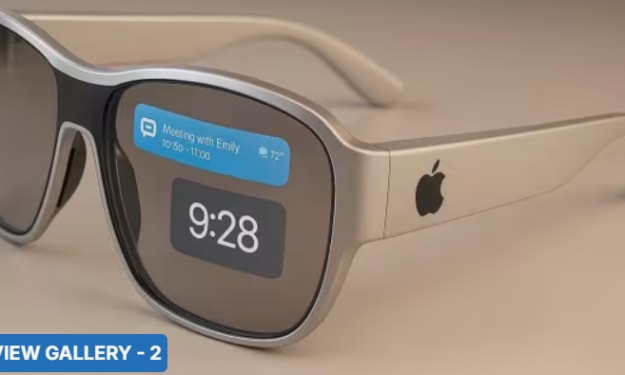
Apple May Be Shifting Its Focus to Smart Glasses
Apple may be changing its plans for the future of wearable technology. Many insiders say the company is now giving more attention to lightweight smart glasses instead of a new version of its heavy mixed-reality headset. This could be a major turning point for Apple’s long-term strategy. It also shows that the company wants to build devices that feel more natural, more comfortable, and easier to use in everyday life.
By Shakil Sorkar4 months ago in Journal
The Piggy Project
I’ve had so many names in this life I lose track of which ones were ever really mine and which ones I wore because someone needed me to. Some were handed to me before I had words to refuse them, before I knew what they meant, before I knew I could say no. Most weren’t meant to hurt. That doesn’t mean they didn’t leave marks. Marks that told me who I belong to, who I am by way of who claims me, recognizes me in the good and bad, who walks beside me.
By Fatal Serendipitya day ago in Confessions


Comments
There are no comments for this story
Be the first to respond and start the conversation.