
Animals and Stress Relief Therapy
A Comprehensive Guide to Natural Healing

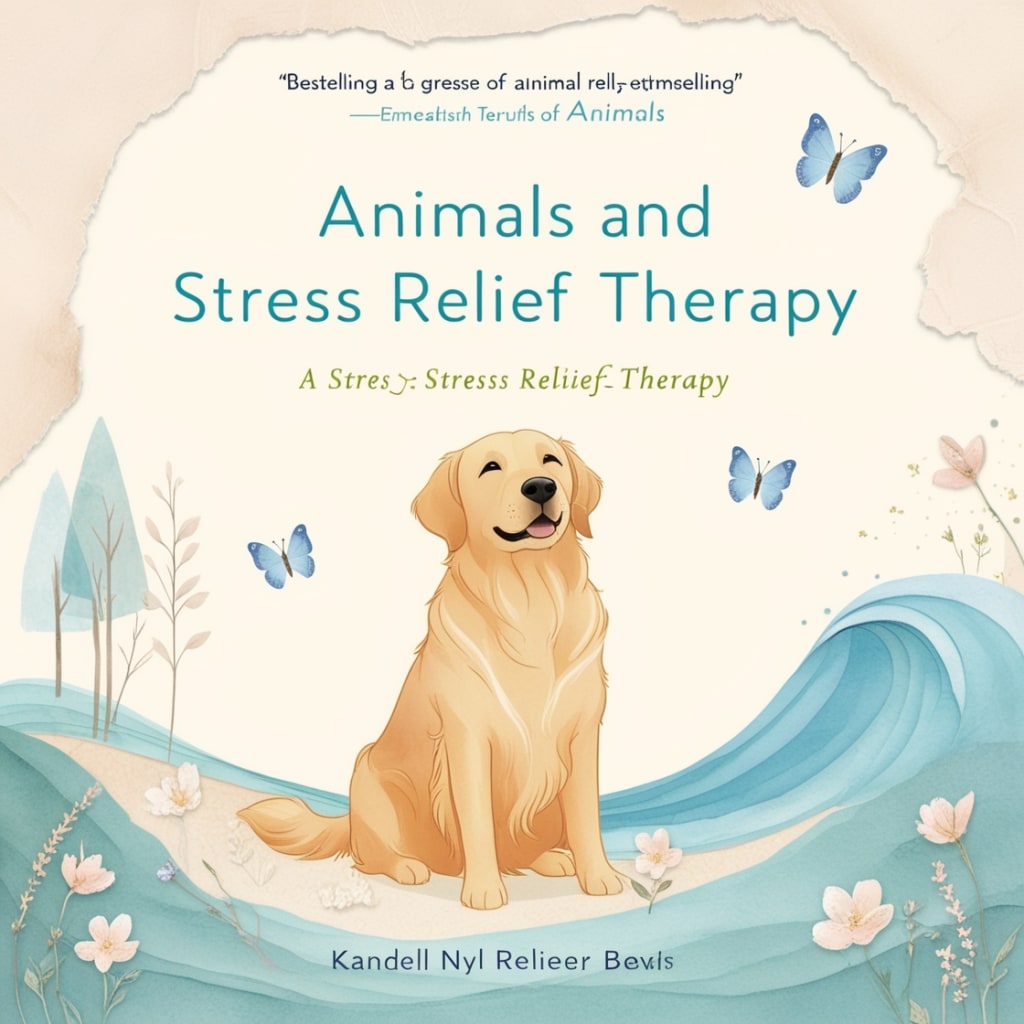
In today’s fast-paced, hyperconnected world, chronic stress has become a silent epidemic. According to the American Psychological Association, 77% of people report physical symptoms of stress, and 73% experience psychological effects. While meditation, exercise, and medication are common remedies, there’s a growing recognition of a simpler, more joyful solution: animals. From the soothing purr of a cat to the grounding presence of a therapy horse, animals offer a unique, science-backed path to stress relief.
This article explores how animals serve as powerful allies in combating stress, with actionable tips, real-world examples, and step-by-step guides to help you harness their healing power. Whether you’re a busy professional, a parent, or someone navigating mental health challenges, you’ll discover practical ways to integrate animal-assisted therapy into your life.
Why Animals Are Natural Stress Relievers: The Science
Before diving into strategies, let’s unpack why animals work so effectively:
Oxytocin Boost: Interacting with animals triggers the release of oxytocin, the “bonding hormone,” which lowers cortisol (the stress hormone).
Distraction from Rumination: Animals anchor us in the present moment, interrupting cycles of worry.
Social Catalyst: Walking a dog or visiting a therapy farm encourages social interaction, reducing loneliness.
Sensory Comfort: The tactile experience of petting an animal calms the nervous system.
1. Dogs: The Ultimate Emotional Support Companions
Why They Work: Dogs are attuned to human emotions and provide unconditional love. Studies show dog owners have 24% lower stress levels than non-owners.
Tips for Maximizing Benefits:
Daily Walks: Commit to a 30-minute walk — exercise + bonding = double stress relief.
Service Dogs for PTSD: Veterans and trauma survivors can explore certified programs like K9s For Warriors.
Workplace Wellness: Advocate for “Bring Your Dog to Work” days (companies like Amazon and Google report higher employee morale).
Example: Sarah, a corporate lawyer, adopted a rescue dog. Daily walks and evening cuddles reduced her anxiety attacks by 40% within months.
2. Cats: Masters of Calm Through Purring and Presence
Why They Work: A cat’s purr vibrates at 25–150 Hz, a frequency proven to promote bone healing and relaxation.
Tips for Maximizing Benefits:
Mindful Petting Sessions: Spend 10 minutes daily stroking your cat while focusing on your breath.
Create a Zen Space: Set up a cozy corner with a cat bed near your workspace for shared calm.
Adopt, Don’t Shop: Visit shelters like ASPCA to find a low-maintenance companion.
Example: John, a freelance writer with social anxiety, credits his cat’s purring for helping him stay focused and calm during deadlines.
3. Equine Therapy: Healing Through Horses
Why It Works: Horses mirror human emotions, helping participants confront stress and build emotional resilience.
How to Try It:
Find a Certified Program: Organizations like PATH International offer sessions for trauma, addiction, and autism.
Practice Groundwork: Start with grooming or leading a horse to build trust and mindfulness.
Case Study: A 2021 study in Journal of Traumatic Stress found that veterans in equine therapy programs saw a 30% reduction in PTSD symptoms.
4. Small Mammals: Pocket-Sized Stress Relievers
Why They Work: Rabbits, guinea pigs, and hamsters provide gentle tactile stimulation.
Tips for Urban Dwellers:
Guinea Pig Therapy: Their soft fur and quiet nature make them ideal for apartments.
Nursing Home Visits: Partner with organizations like Pet Partners to bring small animals to seniors.
Example: A senior living facility in Texas reported a 25% drop in resident depression after weekly guinea pig visits.
5. Birds and Fish: Auditory and Visual Serenity
Why They Work: Birdsong and aquarium viewing lower blood pressure and induce meditative states.
Actionable Steps:
Install a Bird Feeder: Attract wild birds to your garden or balcony.
Aquarium Therapy: Set up a small desktop tank — studies show watching fish swim reduces stress by 50%.
Pro Tip: Apps like Relax Melodies offer birdsong soundscapes for instant calm.
6. Clinical Animal-Assisted Therapy (AAT)
How It Works: Structured sessions with trained animals address specific goals, like improving motor skills or easing anxiety.
Where to Start:
Hospitals & Schools: Many pediatric hospitals use therapy dogs to comfort children during treatments.
Find a Certified Therapist: Search directories like Therapy Dogs International.
Example: A child with autism learned to speak their first words while interacting with a therapy dog.
7. Mindfulness Practices with Animals
Simple Routine:
Sync Your Breath: Sit with your pet and match your breathing to theirs for 5 minutes.
Goat Yoga: Try a class (yes, it’s real) — combining yoga with playful goats amplifies joy.
Guided Exercise:
Nature Walk Meditation: Walk your dog mindfully, focusing on sights, sounds, and their movements.
8. Workplace Stress Relief Programs
How to Advocate for Change:
Propose Therapy Animal Visits: Share data from companies like Salesforce, where monthly dog visits boosted productivity by 20%.
Start Small: Host a “Stress Relief Week” with guided puppy play sessions.
Success Story: A tech startup in Seattle reported a 15% drop in employee burnout after implementing biweekly therapy dog visits.
9. Choosing the Right Animal for Your Lifestyle
Decision Guide:
Busy Professionals: Low-maintenance pets like fish or cats.
Active Individuals: Dogs that need exercise (e.g., Labradors, Border Collies).
Allergy Sufferers: Hypoallergenic breeds like Poodles or hairless guinea pigs.
Ethical Tip: Always adopt from shelters or ethical breeders — avoid supporting puppy mills.
10. DIY Animal Therapy (No Pet Required)
No-Pet Solutions:
Volunteer at Shelters: Spend weekends socializing rescue animals.
Birdwatching Clubs: Join local groups for guided nature walks.
Virtual Pet Therapy: Watch live streams of puppies or kittens on platforms like Explore.org.
Conclusion: Embrace the Healing Power of Animals
Animals are more than pets — they’re therapists, teachers, and silent healers. By integrating animal-assisted practices into your routine, you tap into a timeless, science-backed remedy for stress. Whether you adopt a cat, join an equine program, or simply watch birds from your window, nature’s companions are ready to guide you toward peace.
Final Action Step: Start today Visit a local shelter, sign up for a therapy session, or spend 10 minutes mindfully observing wildlife. Your journey to stress-free living begins with a single paw print.
About the Creator
Sherif shams
Entrepreneur, content creator, and lifelong learner. I share insights on business, self-improvement, and the digital world to inspire and empower others. Always exploring new ideas and ways to grow. Let’s connect and build something
Keep reading
More stories from Sherif shams and writers in Journal and other communities.
Air Travel Is It Right for You?
Air travel has revolutionized how we explore the world, offering speed and connectivity like no other mode of transportation. But is it always the right choice for your trip? With rising costs, environmental concerns, and personal preferences, deciding whether to fly requires careful thought. This comprehensive guide dives into the pros and cons of air travel, compares it to alternatives like driving or trains, and provides actionable tips to help you decide. Whether you’re a frequent flyer or planning your first trip, this article will equip you with the insights needed to make an informed decision.
By Sherif shamsabout a year ago in Journal
Author’s Advice
If you would’ve asked me 20 years ago did I know I’d become a writer and an author, I would’ve said “nope, ain’t happening”. As fate would have it I did become an author and I can honestly say I’m loving it so far. It really does feel good to be a writer. I’ve learned a lot on this journey and I feel like with even me being as new to this world as I am, there’s some wisdom I need to share with every other aspiring author.
By Joe Patterson3 days ago in Journal
Karoline Leavitt Walks Back Claims About Threat to U.S. Homeland Amid Iran War Confusion
As the war between the United States, Israel, and Iran continues to unfold, a new controversy has emerged in Washington—this time surrounding statements made by White House Press Secretary Karoline Leavitt about whether Iran ever posed a threat to the U.S. homeland.
By Navigating the Worldabout 17 hours ago in Journal
TUS NUA - ch 53
TUS NUA – ch 53 New Beginnings – Mia and Midnight (*)(*)(*) Finola knew Ali’s brother-in-law needed to put his mind at rest. She fed her arm through his and led him outside. “We’ll sit here. If you like, I can put a block around us so our conversation will be private.”
By Margaret Brennan6 days ago in Fiction




Comments
There are no comments for this story
Be the first to respond and start the conversation.