
Angel Investors For Startups: A Comprehensive Guide
Angel Investors For Startups


Startup funding is the lifeblood of any new venture. Without the right financial backing, even the most innovative startup ideas can struggle to gain momentum. However, securing the right investors is no easy feat. The process can often involve extensive negotiations and rounds of back-and-forth before an agreement is finalized.
With India emerging as the third-largest startup ecosystem in the world, new forms of investment are reshaping the landscape. Among these, angel investing has gained prominence, standing apart from venture capital and traditional funding options. Angel investors not only provide crucial funding but also offer mentorship and guidance. In this blog, we’ll explore the world of angel investing, the roles of angel investors, and how they play a critical role in a startup’s journey to success.
What is Angel Investing?
Angel investing is a form of early-stage startup funding where individual investors—often referred to as High-Net-Worth Individuals (HNIs)—invest in a startup in exchange for equity. These investments usually occur at the seed stage, providing the startup with the necessary capital to develop and scale its business. Unlike traditional investors, angel investors often bring more to the table than just financial support; they also offer mentorship, industry insights, and access to valuable networks.
What is an Angel Investor Network?
An angel investor network is a group of individual investors who pool their resources to invest in promising startups. These networks act as a bridge between startup founders and potential investors, facilitating funding and providing founders with invaluable mentorship, insights, and industry connections. For startups, securing funding from an angel investor network can significantly enhance credibility, giving them a strong foundation to grow and thrive.
Becoming an Angel Investor: What Does it Take?
Becoming an angel investor requires more than just having capital. Here are a few key components you need to start your journey as an angel investor:
- Capital: You need sufficient financial resources to invest in early-stage startups.
- Industry Knowledge: Understanding the startup ecosystem and having expertise in a specific sector is essential.
- Willingness to Mentor: Many angel investors actively guide entrepreneurs in business development, offering advice on strategy, marketing, and growth.
The Role of Angel Investors in Startups
Angel investors are more than just financial backers. They play a pivotal role in a startup’s journey by offering mentorship and helping founders navigate the challenges of building a business. Their hands-on involvement can range from strategic advice to connecting founders with key contacts in their network. This support is invaluable, especially for first-time entrepreneurs who may lack experience in scaling a business.
Finding the Right Angel Investor Network
Being part of an angel investor network is crucial for any individual investor looking to make informed decisions. These networks allow you to collaborate with like-minded investors, share knowledge, and access a pipeline of emerging startups. India is witnessing significant growth in angel investor networks, with over 125 active networks projected to rise to 200 by 2030. One such prominent network is 21BY72, which hosts startup events and expos, connecting investors with high-potential startups across various sectors.
Offering More Than Just Finance: Mentorship and Resources
Angel investing goes beyond just providing capital. Angel investors with industry-specific expertise can offer startups access to a wealth of resources, whether it’s in sales, operations, or technology. By leveraging their professional experience, angel investors help startups fine-tune their strategies and increase their chances of success.
Checklist for Angel Investors
Before you start investing, it’s helpful to have a checklist of your criteria and expectations. This can include your investment budget, risk tolerance, and any red flags you want to avoid. A well-thought-out checklist can help streamline the investment process and ensure that you make informed decisions.
Evaluating Investment Opportunities
Evaluating a startup before investing is a critical step. It’s important to:
- Understand the Startup’s Business Model: Ensure you have a thorough understanding of the startup’s product, target audience, and business strategy.
- Assess the Founders’ Capabilities: Evaluate the experience and track record of the founding team.
- Perform a Risk-Reward Analysis: Identify potential risks and assess whether the expected returns justify the investment.
- Financial Review: Carefully examine the startup’s financials to ensure they align with your investment goals.
Negotiating the Deal
Once you've evaluated a startup and decided to invest, the next step is to negotiate the terms. Consider the equity you will receive, your level of involvement in the business, and any other key terms before finalizing the contract. Remember, this is more than just a financial transaction—it’s a long-term partnership.
How to Identify the Best Startups to Invest In
Here are a few steps to identifying the right startup:
- Evaluate the Founders: Are they passionate, knowledgeable, and capable of executing their vision?
- Market Potential: Does the product or service solve a real problem, and is there significant market demand?
- Growth Prospects: What is the startup’s potential for scaling, and does it have a clear path to profitability?
Conclusion
Angel investors play an indispensable role in the startup ecosystem, particularly in the early stages of a company’s development. They provide much-needed capital, mentorship, and resources, helping startups navigate their way through the challenging early years. However, angel investing is more than just a financial opportunity; it’s a way to contribute your expertise to the next generation of entrepreneurs.
If you're interested in becoming an angel investor and want to help startups grow, 21BY72 offers an excellent platform. As an angel investor network, 21BY72 connects investors with promising startups through regular events and expos, fostering growth and innovation on a global scale.
FAQs
What’s the difference between angel investing and venture capital?
Angel investing typically involves individual investors providing early-stage funding in exchange for equity, while venture capital comes from firms investing larger amounts in later-stage startups that have demonstrated significant potential.
How important is the role of angel investors in startup financing?
Angel investors are crucial for startups during their seed stage, not just providing capital but also offering mentorship, industry connections, and strategic guidance to help them succeed.
Can angel investors benefit from startup events?
Absolutely! Startup events, like the ones hosted by 21BY72, allow angel investors to network with other investors, discover new startups, and form strategic partnerships.
About the Creator
21BY72 Global Startup Summit
Experienced entrepreneur and founder of 21By72, a hub for startup ecosystems. Organizes global startup summits, connects investors and founders, and fosters innovation. beyond for startups to grow.
Keep reading
More stories from 21BY72 Global Startup Summit and writers in Journal and other communities.
What is Seed Funding for Startups? How Does It Work?
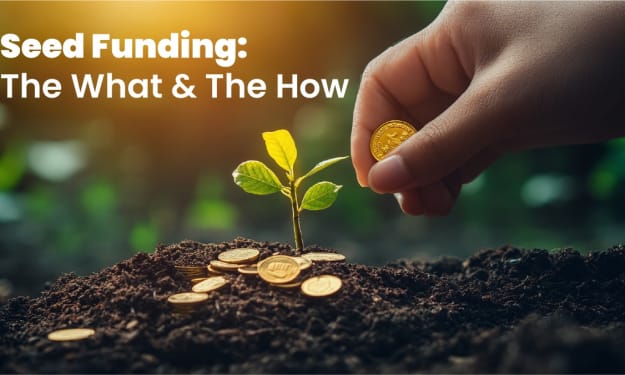
Seed Funding for Startups Converting an idea into actionable business is easier said than done. You need to get the right resources, personnel, and target audience to run a profitable startup. However, out of all these things, finance is the most essential element of starting a startup. You need it even if you have a product. Such funds are known as seed funding for startups. In this blog, we will discuss seed funding and how it works for startups.
By 21BY72 Global Startup Summitabout a year ago in Chapters
Author’s Advice
If you would’ve asked me 20 years ago did I know I’d become a writer and an author, I would’ve said “nope, ain’t happening”. As fate would have it I did become an author and I can honestly say I’m loving it so far. It really does feel good to be a writer. I’ve learned a lot on this journey and I feel like with even me being as new to this world as I am, there’s some wisdom I need to share with every other aspiring author.
By Joe Patterson3 days ago in Journal
My First Time Skiing and I Got Lost, Alone, in the French Alps
Looking back, I can trace some of my life’s biggest adventures to a simple action from my sister. She’d introduced me to Tommy (a very long time ago), a colleague of hers, who had overshared his penchant for Italian-looking women, and I ticked that box.
By Chantal Christie Weissa day ago in Humans



Comments
There are no comments for this story
Be the first to respond and start the conversation.