
An Alarming Rise in Americans Living Out of Their Cars
More Americans are turning their cars into homes everyday...

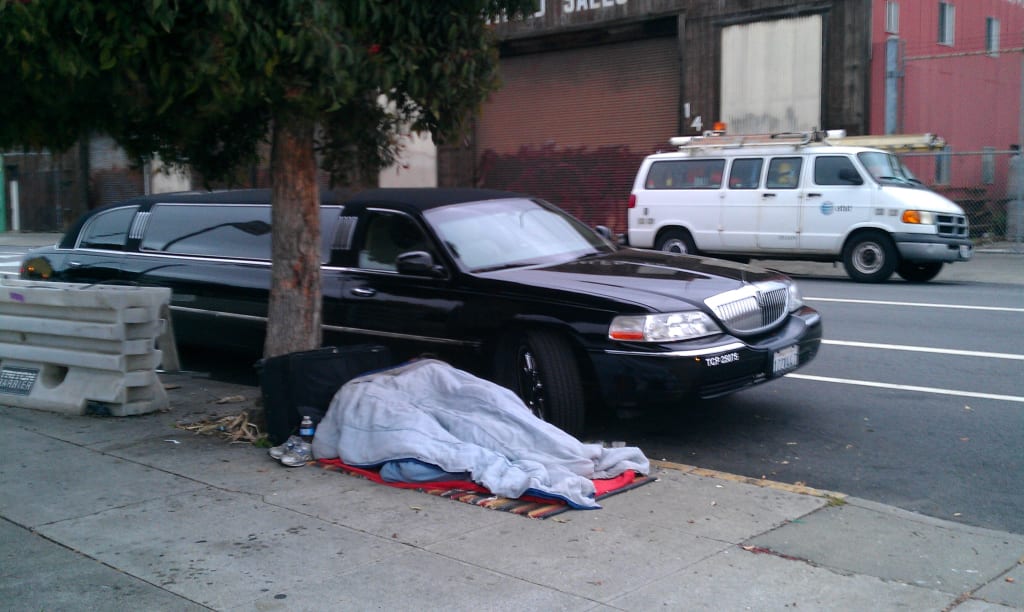
The upward trend in the number of people in the United States living in their cars has been growing in recent years. While housing costs have escalated sharply, wages for most working-class Americans are not keeping up. This puts the people in the difficult position of where to allocate their limited resources-meaning that basic necessities like food and transportation take priority over housing.
According to the latest Annual Homeless Assessment Report (AHAR) from the U.S. Department of Housing and Urban Development (HUD), approximately 582,000 people were homeless in the U.S.
Of that total, an estimated 225,000 people were living in unsheltered conditions; that is they were living in places not meant for human habitation (such as on the streets, in abandoned buildings, or in vehicles). Of these 20-30% of unsheltered homeless individuals are living in vehicles, which would translate to around 45,000 to 67,500 people in cars, vans, RVs, or other vehicles.
In cities like Los Angeles, which happens to have one of the largest homeless populations in the country, 40% of total homeless population was living in vehicles despite certain restrictions.
San Diego County reported that by 2022, an estimated 1 in 4 homeless people actually lived in vehicles. The proportion had risen from 1 in 5 in 2019.
According to the National Alliance to End Homelessness, over the decade, unsheltered homelessness in the United States has been increasing, especially in larger cities. In general, exact vehicle homelessness statistics are difficult to collect but the NAEH approximates that the number of vehicle- dwelling in some of the big cities has more than doubled in the last decade.
While this number is often associated with lifestyle choices rather than economic necessity, the "van life" trend has surged in recent years, especially among younger people. According to data from social media platforms and van life blogs, the number of people embracing van life has increased by over 30% since 2019. However, it's important to note that this is separate from the rise of people forced into car living due to financial strain.
Housing prices in many U.S. cities, especially those located on the West Coast like Los Angeles, San Francisco, and Seattle, have skyrocketed. Even for people who are considered to be middle-income earners, stable housing continues to be a problem. Rent increases typically exceed increases in wages; therefore, many individuals can no longer afford the monthly expenses of housing. There is a dire deficit of affordable housing rental stock nationwide. Public housing is also far from being on a par with demand, and low-income people or families are often left with no choice but to seek alternate accommodations.
Car living has both psychological and physiological repercussions. The uncertainty is dangerous for the mental well-being, while also causing fear of being moved, hassled by authorities, and losing limited private space, leading to increased stress, anxiety, and depression. Additionally, the physical effects can have interminable consequences on health, given the cramped living conditions, poor nutrition, and irregular sleep. Access to simple facilities like food, water, and restrooms is a constant problem for automobile dwellers. Many resort to places such as 24-hour gyms, fast-food restaurants, or truck stops to take showers and get food. Several car-dwellers are also dependent on community services such as food banks and churches for food.
As this phenomenon of rising homelessness in cars gains momentum, it underscores a booming crisis fueled by skyrocketing housing costs and economic instability. Urgent action is needed-including affordable housing, better social services, and support for vulnerable populations-to stem the tide and prevent more Americans from turning to their vehicles as their only shelter.
About the Creator
Keep reading
More stories from writers in Journal and other communities.
26 January 2026: A Day of Pride, Identity, and Responsibility
26 January is not just a date for Indians; it is a feeling that connects every citizen to the soul of the nation. As Republic Day 2026 arrives, it once again reminds us of the values, sacrifices, and responsibilities that define India as a democratic republic. This day stands as a symbol of unity, dignity, and the power of the Constitution that governs our lives.
By Ayeshah khan 7 days ago in Journal




Comments
There are no comments for this story
Be the first to respond and start the conversation.