
Ambient Lighting: The Key to Creating the Perfect Atmosphere
Introduction
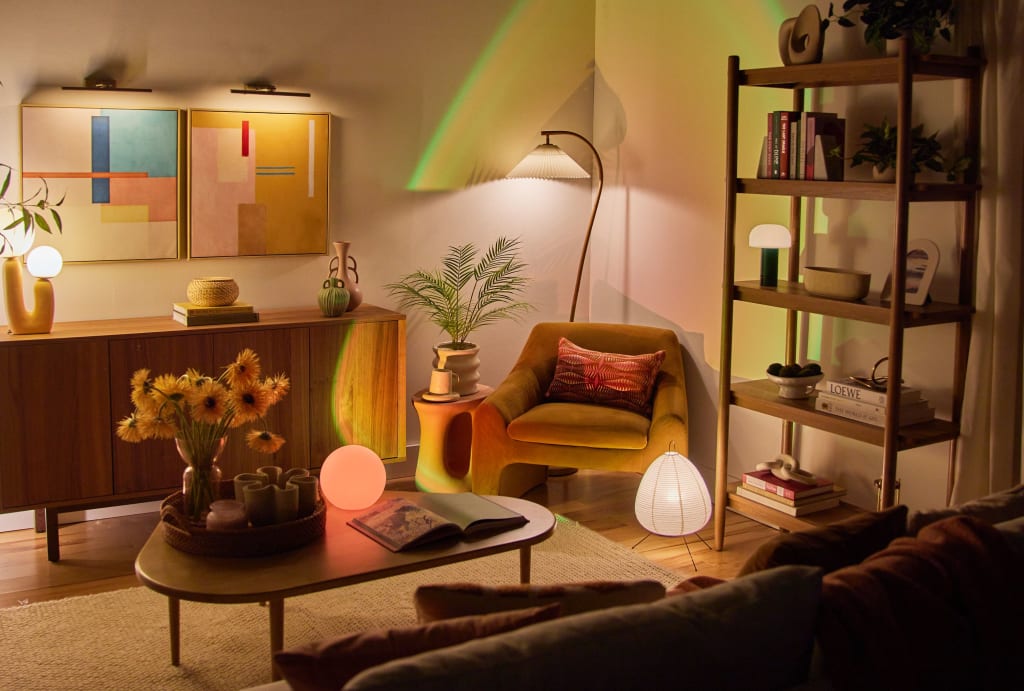
Ambient lighting refers to the general, soft light that fills a space, providing even illumination without harsh glare. Unlike task or accent lighting, which focuses on specific activities or features, ambient lighting creates a comfortable and inviting atmosphere throughout a room. It can be achieved through various sources, including ceiling-mounted fixtures, wall sconces, floor lamps, and modern LED systems.
The primary benefits of ambient lighting include enhancing comfort, improving mood, and promoting visual relaxation by eliminating shadows and glare. Additionally, it is highly versatile and adaptable, allowing adjustments through dimmers to suit different activities or times of day. Whether utilizing natural light through windows or artificial lighting, ambient lighting is essential in setting the overall tone and atmosphere of a space.
With thoughtful design and the right fixtures, it can transform any room into a welcoming and serene environment.
Ambient Lighting a decorator’s guide to perfect atmosphere
Ambient lighting is a crucial element in interior design, shaping the overall feel of a room and setting the tone for the space. As a decorator, creating the right ambient lighting can transform any area from dull and uninviting to warm, cozy, and visually appealing.
What is Ambient Lighting?
Ambient lighting refers to the general, soft light that fills a room or space, providing an overall sense of brightness without the harshness or glare associated with direct lighting. It creates a comfortable and inviting atmosphere, ensuring that the space is well-lit without being overwhelming. Unlike task lighting (which is focused on specific activities like reading or cooking) or accent lighting (which highlights particular features or objects), ambient lighting is designed to illuminate the entire room in a uniform manner.
Types of Ambient Lighting
There are various ways to achieve ambient lighting, and different light sources can be used depending on the desired effect. Here are a few common types of ambient lighting:
Ceiling-mounted Fixtures
These are the most common form of ambient lighting. Ceiling-mounted fixtures, such as chandeliers, recessed lights, or pendant lights, distribute light across a room evenly. The key is to choose fixtures that have diffusers to ensure the light is soft and not too direct.
Wall-mounted Fixtures
Wall sconces and fixtures mounted on the walls can provide ambient light by bouncing the light off the walls or ceiling, creating a gentle wash of light. These fixtures are often used in smaller spaces like hallways or bathrooms, where ceiling-mounted fixtures might not be feasible.
Floor Lamps
Floor lamps can also serve as an effective source of ambient lighting. With various styles and designs available, floor lamps can complement a room’s decor while providing the necessary light. Some floor lamps come with dimmers, giving you control over the brightness.
LED Strips and Recessed Lighting
Modern lighting technology, such as LED strips and recessed LED downlights, has made it easier to create ambient lighting that is energy-efficient and customizable. These lights are often installed along walls, under cabinets, or even in ceilings, providing subtle illumination that doesn’t overpower a space.
Natural Light
Utilizing natural light is one of the most sustainable ways to create ambient lighting. Large windows, skylights, and open spaces allow daylight to fill a room and provide a naturally soft and inviting glow. In spaces with limited natural light, mirrors can be used strategically to reflect sunlight and increase the amount of light in a room.
Benefits of Ambient Lighting
The importance of ambient lighting extends beyond its aesthetic appeal. It offers a range of practical and psychological benefits, including:
Enhances Comfort
Ambient lighting helps create a relaxing environment by preventing harsh shadows and direct glare. A room with proper ambient lighting feels more inviting and comfortable, perfect for unwinding after a long day.
Improves Mood
The way a room is lit can have a direct impact on one’s mood. Soft, evenly distributed lighting can promote calmness and relaxation, while harsh lighting can create a sense of discomfort or stress. Ambient lighting is ideal for creating a serene and cozy atmosphere.
Supports Visual Comfort
One of the key advantages of ambient lighting is that it eliminates the need to squint or strain the eyes due to uneven light levels. A well-lit room prevents eye strain, especially in the evening when your eyes are more sensitive to contrasting light.
Versatile and Adaptable
Ambient lighting can be easily adjusted to suit different needs. With the help of dimmers, you can change the intensity of the light depending on the time of day or the mood you wish to create. It is highly versatile and works in any setting, from the living room to the bedroom or even the office.
How to Create Ambient Lighting in Your Space
Creating the right ambient lighting in a room doesn’t require extensive technical knowledge, but a thoughtful approach can help you get the best results. Here are some tips for creating the ideal atmosphere:
Layer Your Lighting
Combining different types of lighting (ambient, task, and accent) can help you achieve a balanced and dynamic effect. For example, use ambient lighting for general illumination, task lighting for specific activities, and accent lighting to highlight artwork or architectural features.
Use Dimmers
Installing dimmer switches allows you to adjust the brightness of your ambient lighting, depending on the time of day or activity. This flexibility is particularly useful in rooms that serve multiple purposes, such as living rooms or dining rooms.
Consider the Room’s Size and Function
The amount of ambient light needed will depend on the size of the room and its function. Larger rooms may require more powerful fixtures or multiple light sources to evenly distribute light, while smaller rooms can be adequately lit with one or two sources.
Choose the Right Bulbs
The type of light bulbs you choose plays a significant role in the ambiance. LED bulbs are energy-efficient and come in various color temperatures. Opt for soft white or warm white bulbs to create a cozy and welcoming atmosphere.
Maximize Natural Light
Whenever possible, try to maximize natural light. Keep windows unobstructed, and use light-colored furniture and decor to reflect sunlight. Natural light during the day will complement your artificial ambient lighting in the evening.
Conclusion
Ambient lighting is the cornerstone of any well-designed space, offering both aesthetic appeal and practical benefits. Whether through the use of ceiling fixtures, wall-mounted sconces, or floor lamps, the goal is always to create a soft, evenly distributed light that fosters comfort and relaxation. By layering lighting and using appropriate fixtures and bulbs, you can design the perfect atmosphere for any room. Keep in mind that the right lighting can transform a space and significantly enhance the way you feel in it.
About the Creator
Keep reading
More stories from Abraham Lincoln and writers in Journal and other communities.
Cultural Phenomena: The Intersection of Technology, Culture, and Media
In an era defined by rapid technological advancements and interconnected media, cultural phenomena have emerged as powerful forces that shape public consciousness and influence societal trends. One such phenomenon is the annual Apple September keynote, a highly anticipated event that not only showcases the latest innovations in tech but also captures the collective imagination of millions worldwide. This event, along with the subsequent media discussions—especially through platforms like podcasts—has evolved into a cultural touchstone, reflecting the intersection of technology, culture, and media.
By Abraham Lincolnabout a year ago in Journal
Author’s Advice
If you would’ve asked me 20 years ago did I know I’d become a writer and an author, I would’ve said “nope, ain’t happening”. As fate would have it I did become an author and I can honestly say I’m loving it so far. It really does feel good to be a writer. I’ve learned a lot on this journey and I feel like with even me being as new to this world as I am, there’s some wisdom I need to share with every other aspiring author.
By Joe Patterson4 days ago in Journal
Unlocking the Secrets of Longevity
What if living to 90 or even 100 wasn’t an exception—but something many people could realistically achieve? Across the world, there are regions where extraordinary longevity is surprisingly common. These areas, often called “Blue Zones,” have fascinated scientists, health researchers, and curious observers for decades. The residents of these regions live longer than average and often remain active and mentally sharp well into their later years.
By People Unlimited4 days ago in Journal




Comments
There are no comments for this story
Be the first to respond and start the conversation.