
Aleema Files Contempt Plea After Repeatedly Being Denied Meetings With Imran Khan
A sister’s struggle for access raises new questions about transparency, rights, and the political climate around Pakistan’s most high-profile prisoner.

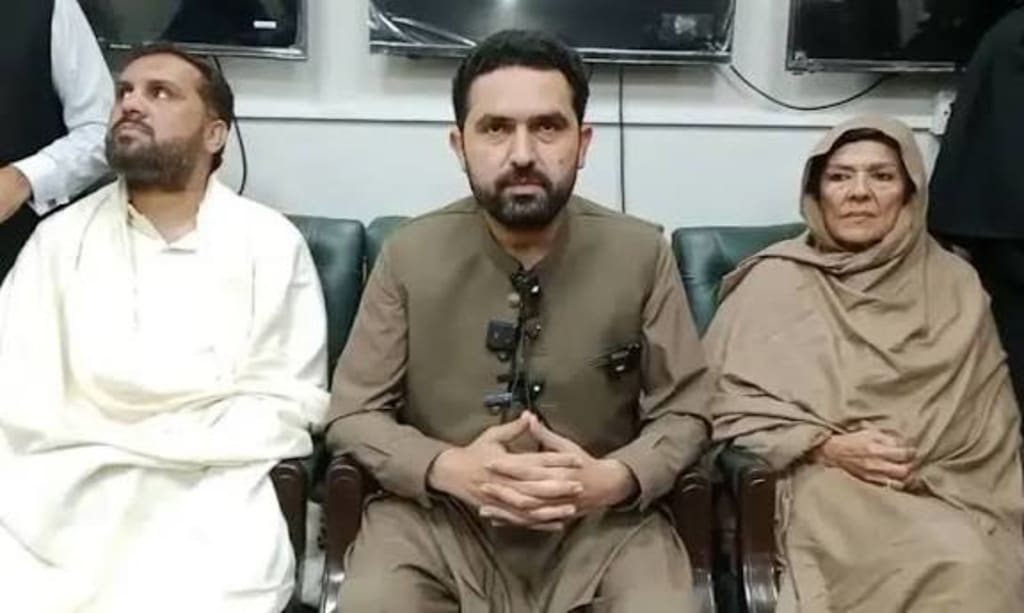
When Aleema Khanum, the sister of former Pakistani Prime Minister Imran Khan, walked into a courtroom this week, she did so not as a political figure but as a family member fighting for a basic human right—access to her brother. Her decision to file a contempt plea against the Adiala Jail superintendent, after being repeatedly denied permission to meet Imran, has sparked a new wave of debate across Pakistan’s political landscape.
The case highlights not only the legal and administrative complexities surrounding Imran Khan’s detention but also raises questions about transparency, due process, and the treatment of politically exposed inmates in Pakistan.
A Pattern of Denied Meetings
According to Aleema, she has made several attempts over the past few weeks to meet Imran Khan, who has been held at Adiala Jail in Rawalpindi since his arrest. Each time, jail officials allegedly refused her entry, citing “administrative reasons” or “security protocols.”
For Aleema, these explanations were no longer acceptable. She argued that the refusal directly violated earlier court orders permitting family visits, prompting her to file a contempt plea. Her stance has resonated widely, especially among Imran’s supporters, who view the repeated denials as politically motivated.
Her legal team states that the refusal not only infringes on her rights but also shows a deliberate attempt to isolate Imran Khan—a move they claim could have political implications considering the country’s tense environment.
Why Access to Prisoners Matters
Prison visitation rights are not simply a matter of courtesy; they are a part of basic inmate welfare recognized under both domestic and international law. Meetings with family members play a crucial emotional and psychological role for prisoners. They also help ensure accountability—families can observe whether inmates are safe, healthy, and being treated according to legal standards.
In Imran Khan’s case, these concerns are heightened because he is not an ordinary inmate. As a former prime minister and head of a major political party, his treatment inside jail is under constant public scrutiny.
Repeatedly blocking his close family from seeing him raises inevitable questions:
Is Imran being kept in isolation?
Are jail authorities following the rule of law?
Or is there a deliberate attempt to limit his communication with the outside world?
These are questions the court is now expected to consider as Aleema’s contempt plea moves forward.
The Political Context Behind the Tension
Imran Khan’s imprisonment has already escalated political tensions in Pakistan. Supporters argue that the cases against him—ranging from corruption allegations to accusations linked to national security—are politically motivated. Critics, on the other hand, claim that Imran’s actions while in office warrant strict accountability.
But regardless of political opinions, the issue at hand is a straightforward one: court-approved visitation rights must be respected.
Observers note that blocking Aleema’s access repeatedly gives the impression of an administrative system struggling with political pressure. It also contributes to a narrative that the law is being applied unevenly depending on who is involved.
A Sister’s Determination
Aleema Khan has long been a quiet but steady presence in Imran Khan’s political journey. Known more for her philanthropic work than political participation, she rarely makes public statements. This makes her recent legal step even more significant. Filing a contempt plea is not merely an act of frustration—it is a declaration that she will not accept arbitrary restrictions on her right to see her brother.
In her brief comments to the media, Aleema emphasized that she was not demanding any privilege, only compliance with existing court orders. “If the court says I can meet him, then the jail administration must follow that,” she stated.
Her petition underscores a broader demand: that institutions act according to the law, not political influence or administrative convenience.
What Happens Next?
The contempt plea is likely to move quickly through the court system, given its connection to constitutional rights. If the court finds the Adiala Jail superintendent in violation, it could result in disciplinary measures, directives for improved access, or stricter oversight.
This case could also set an important precedent for how high-profile prisoners are treated in Pakistan going forward. For now, Aleema’s petition has reignited public attention on Imran’s imprisonment and the conditions surrounding it.
As Pakistan continues to navigate political uncertainty, moments like these highlight the critical importance of transparency, institutional integrity, and accountability.
About the Creator
Fiaz Ahmed Brohi
I am a passionate writer with a love for exploring and creating content on trending topics. Always curious, always sharing stories that engage and inspire.
Keep reading
More stories from Fiaz Ahmed Brohi and writers in Journal and other communities.
Hema Malini’s First Emotional Note After Dharmendra's Death!
Bollywood is in mourning as the legendary actor Dharmendra, fondly known as the “He-Man” of Indian cinema, passed away at the age of 89. Known for his charismatic screen presence, action-packed roles, and unwavering charm, Dharmendra carved a niche for himself over decades in the industry. However, amidst this profound loss, the first emotional note from his life partner and fellow actress, Hema Malini, has touched the hearts of fans across the globe.
By Fiaz Ahmed Brohi4 months ago in Journal
Author’s Advice
If you would’ve asked me 20 years ago did I know I’d become a writer and an author, I would’ve said “nope, ain’t happening”. As fate would have it I did become an author and I can honestly say I’m loving it so far. It really does feel good to be a writer. I’ve learned a lot on this journey and I feel like with even me being as new to this world as I am, there’s some wisdom I need to share with every other aspiring author.
By Joe Patterson4 days ago in Journal
Why Didn't Anyone Tell Us
Men, move along. This is not for you. This is for the women. I was forty-five when I began menopause. It is pretty young for that to be going on in a woman’s life, but I had undiagnosed PCOS, my entire life. Thank you to all the gynecologists I had seen my entire life. That in itself should encourage women to keep seeking second opinions, especially when you are not getting correct answers or any at all.
By Alexandra Grant5 days ago in Humans




Comments
There are no comments for this story
Be the first to respond and start the conversation.