
AI's Hidden Hand: How Algorithms Are Silently Shaping Driver Wages and Consumer Prices
7 Uber Drivers, One Exproment: The Shocking Truth About Ride-Sharing Algorithms

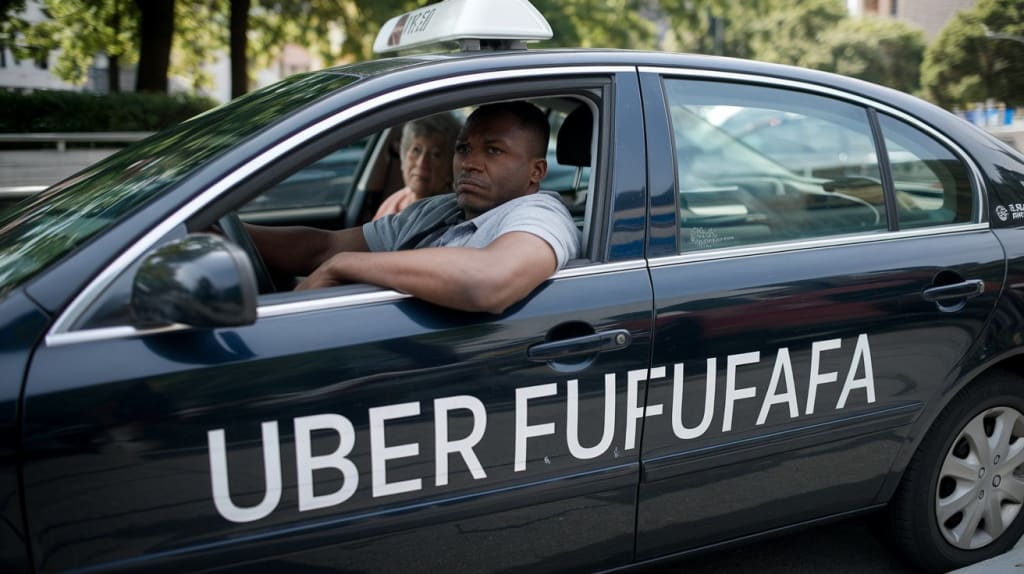
In the ever-evolving technology landscape, artificial intelligence (AI) has penetrated various aspects of our daily lives. A YouTube investigative video titled "We Put 7 Uber Drivers in One Room. What We Found Will Shock You" recently has shed light on a disturbing trend in the ride-sharing industry, revealing how companies like Uber and Lyft are using AI algorithms to manipulate driver wages and passenger fares.
The story begins with a groundbreaking study published by a law professor in 2023. This research uncovered the use of secret algorithms by tech firms to dictate driver earnings based on factors invisible to the naked eye. The professor coined the term "algorithmic wage discrimination" to describe this practice, highlighting the potential for AI to create unfair disparities in worker compensation.
But the implications of this technology extend far beyond ride-sharing. Imagine a scorching summer day when you're craving ice cream and lemonade. Suddenly, prices skyrocket due to high demand. Or picture your local grocery store, where the price of milk fluctuates based on complex AI calculations. Even your paycheck could be affected by these invisible algorithms, fundamentally altering the fabric of our economy.
To investigate these claims, a team of researchers conducted an experiment in Los Angeles, bringing together seven experienced Uber drivers. The goal was simple yet crucial: to determine if ride-share companies were offering different rates for identical work. The results were nothing short of shocking.
For Uber, the experiment revealed that in 63% of cases, drivers were offered different fares for the exact same ride. While these differences might seem small – often just a dollar or two – they add up quickly. Consider this: Uber reported 2.7 billion trips in a single quarter. If the company saves even a few cents per trip through algorithmic pricing, it could amount to hundreds of millions of dollars in additional profit.
Lyft's results were even more alarming. The price discrepancies were significantly larger, sometimes reaching $3 to $4 per ride. For drivers who rely on these platforms for their livelihood, such differences can have a substantial impact on their overall earnings.
Take, for example, a hypothetical driver named John. Over the course of a month, John completes 300 rides. If he consistently receives $1 less per ride compared to other drivers, that's a $300 reduction in his monthly income. For many gig workers living paycheck to paycheck, this could mean the difference between paying rent or falling behind.
When confronted with these findings, both Uber and Lyft were evasive. Uber directed inquiries to a vague blog post, while Lyft simply didn't respond. This lack of transparency raises serious questions about the fairness and legality of their practices.
The legal implications of algorithmic wage discrimination are complex and largely uncharted. While there are no specific laws against this practice, it potentially violates existing anti-discrimination statutes. For instance, Uber's own research revealed that women drivers earn 7% less than their male counterparts, possibly due to the algorithmic wage-setting system.
Moreover, the very foundation of the ride-sharing business model is under scrutiny. Companies like Uber and Lyft classify drivers as independent contractors rather than employees, a distinction that allows them to avoid providing benefits and protections. However, if drivers truly were independent, shouldn't they have the freedom to set their own prices?
David Seigman, executive director of the legal nonprofit Towards Justice, argues that this business model is based on "control without responsibility." The companies want to maintain tight control over their operations while avoiding the obligations that come with traditional employer-employee relationships.
The issue extends beyond ride-sharing. Giants like Walmart, Amazon, and McDonald's are reportedly experimenting with similar technologies. With these companies employing millions of people worldwide, the potential impact of AI-driven wage setting is staggering.
Recognizing the growing concern, the Federal Trade Commission (FTC) has launched an investigation into "surveillance pricing." This practice involves using complex algorithms and vast amounts of data to offer personalized pricing to consumers. Imagine searching for "infant fever" online, only to find that the price of children's Tylenol has suddenly increased across major retailers. The fear is that AI algorithms could exploit consumers' desperation or personal circumstances to maximize profits.
The power of these tech giants lies in their ability to operate behind a veil of secrecy. Armed with sophisticated algorithms and teams of lawyers, they've managed to keep consumers, drivers, and regulators in the dark about their practices.
As we stand at the crossroads of technological innovation and worker rights, it's clear that greater transparency and regulation are needed. The experiment with the seven Uber drivers in Los Angeles may just be the tip of the iceberg, but it offers a glimpse into a future where AI algorithms silently shape our economic landscape.
To ensure that technological progress doesn't come at the expense of fairness and worker well-being, we need comprehensive investigations, clear regulations, and ongoing dialogue between tech companies, workers, and policymakers. Only then can we harness the power of AI to create a more equitable and transparent gig economy.
As consumers and citizens, we must remain vigilant and demand accountability from the companies that increasingly control our economic destinies. The future of work – and the very nature of our economy – may depend on how we address these challenges posed by AI and algorithmic decision-making.
About the Creator
Keep reading
More stories from Next Koding and writers in Journal and other communities.
The Fall of an Empire: How Brexit Pushed Britain to the Brink of Economic Collapse
In a stunning turn of events, the United Kingdom, once a global economic powerhouse, finds itself teetering on the edge of financial ruin. The nation that once ruled a quarter of the world's population is now grappling with a multifaceted economic crisis that threatens to undermine its standing on the world stage. This comprehensive analysis delves into the root causes of the UK's economic woes, exploring the far-reaching consequences of Brexit and the nation's overreliance on the service sector.
By Next Koding2 years ago in Journal


Comments
There are no comments for this story
Be the first to respond and start the conversation.