
Afghan Refugees in the United States: Challenges, Integration, and the Road Ahead
From Kabul to Kansas — How Afghan evacuees are rebuilding their lives across America

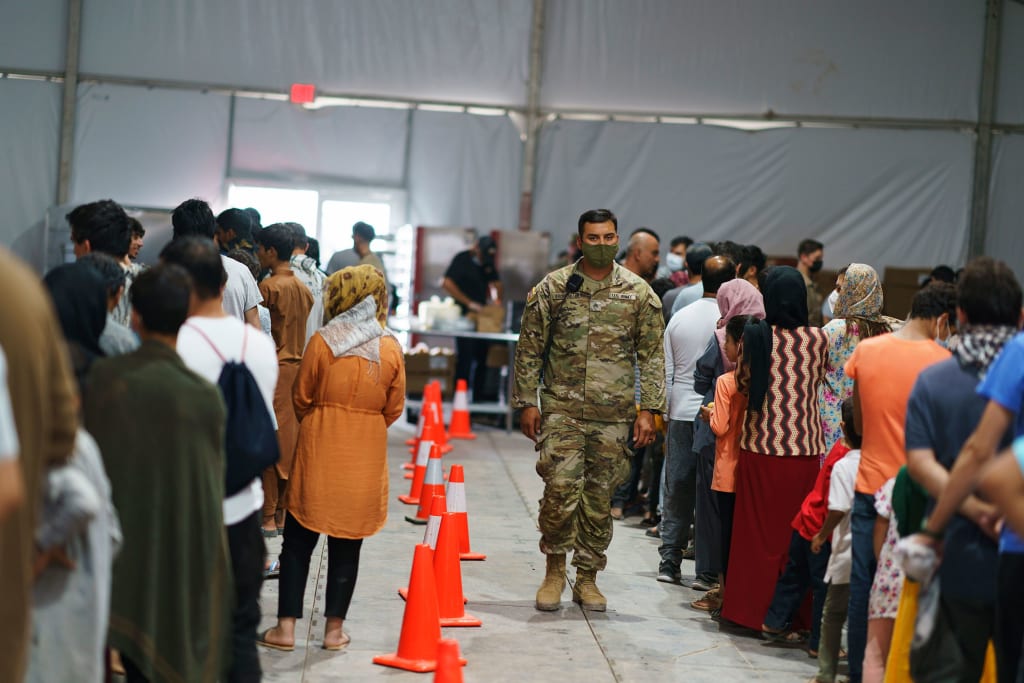
When the Taliban rapidly seized control of Afghanistan in August 2021, thousands of Afghans who had worked with the U.S. military, NGOs, and foreign agencies found themselves in immediate danger. In response, the United States launched Operation Allies Welcome, a historic effort to evacuate and resettle more than 80,000 Afghan refugees across the country.
Now, years later, Afghan evacuees—many of whom came under humanitarian parole or Special Immigrant Visas (SIVs)—are learning to navigate a new life in America. Their journey is one marked by hope, uncertainty, and resilience.
A New Beginning, But Not Without Struggles
Afghan refugees arrived in the U.S. with very little—most with just the clothes they wore. While many Americans welcomed them warmly, the process of resettlement has not been without challenges.
Housing, in particular, has been a significant issue. Cities like Washington D.C., Sacramento, Houston, and Dallas saw a surge in Afghan arrivals, leading to a strain on affordable housing options. Many families found themselves in temporary hotel accommodations for weeks or even months.
Language barriers also remain a major hurdle. While some refugees speak English, many do not, which makes finding employment, navigating public services, or simply visiting a doctor a daunting task. Resettlement agencies and volunteer groups have stepped in to offer translation, job training, and community support.
Legal Limbo: The Uncertain Status of Humanitarian Parolees
A large number of Afghan evacuees were admitted into the U.S. under "humanitarian parole", a temporary status that typically lasts two years. As that time expires, tens of thousands of Afghans now face legal uncertainty. Without a clear pathway to permanent residency, many are living in fear of future deportation.
Advocacy groups and lawmakers have been pushing for the Afghan Adjustment Act, a bill that would grant Afghan parolees a chance to apply for permanent legal status. However, as of mid-2025, the bill has faced political delays in Congress.
Cultural Adjustment and Identity
Adjusting to American culture while holding on to their Afghan identity has been both enriching and complicated for many refugees. Afghan culture values family, community, and tradition, and many newcomers have found solace in tight-knit Afghan-American communities. Mosques, cultural centers, and WhatsApp groups have become lifelines of support and communication.
Still, younger Afghan refugees—especially teenagers and children—often find themselves caught between two worlds. In schools, they’re adapting quickly, picking up English and making new friends. At home, they may still speak Dari or Pashto, and help their parents navigate everything from paperwork to bus routes.
Contributions to American Society
Despite the difficulties, many Afghan refugees have already begun contributing meaningfully to American society. Former interpreters are helping train U.S. troops in language and cultural awareness, while others have opened small businesses or found jobs in manufacturing, logistics, and food services.
Doctors, engineers, and teachers—once professionals in Afghanistan—are working to re-license their credentials in the U.S., though the process is often long and expensive.
Veterans and former military families have played a unique role, helping their former Afghan colleagues resettle through sponsor circles, donations, and mentorship.
The Road Ahead
As Afghan refugees continue to rebuild their lives, their long-term success will depend on sustained policy support, legal protections, and community inclusion. With ongoing global crises and a polarized political climate, the U.S. response to Afghan refugees serves as a test of its values and commitments.
One thing remains clear: the Afghan people have shown incredible resilience and dignity in the face of displacement. By offering them a chance not just to survive, but to thrive, America can turn this humanitarian mission into a story of shared hope and renewal.
Afghan refugees in the U.S. face challenges in resettlement, legal status, and integration, but show resilience and hope.
Regards:Dr saeed
#AfghansInCalifornia #AfghansInTexas #AfghansInVirginia #RefugeeVoices #AmericanDream #HumanRights
#ImmigrationReform##ProtectAfghanAllies#usa2025
About the Creator
Dr Gabriel
“Love is my language — I speak it, write it, and celebrate those who live by it.”
"Subscribe now, and I’ll bring you a true, original love story each day."
Keep reading
More stories from Dr Gabriel and writers in Journal and other communities.
The goals I did not achieve
Every writing goal I made for the year is a wash. It has been this way for a while, but I think it's important to be open about my failures and the reality of how life can get in the way. This is especially true considering the several times I have posted on Vocal about my writing goals, how I was changing my approach, and where I was hoping to be for the upcoming year. I will probably do that again in a couple months, but for now, it is time to acknowledge where I am today.
By Kay Husnick23 days ago in Journal


Comments
There are no comments for this story
Be the first to respond and start the conversation.