
Accent Wall Paint Tips to Add Style and Depth to Any Room
Add style and depth to any room with smart accent wall paint ideas. Learn how color, light, and texture create a focal point that transforms your space.

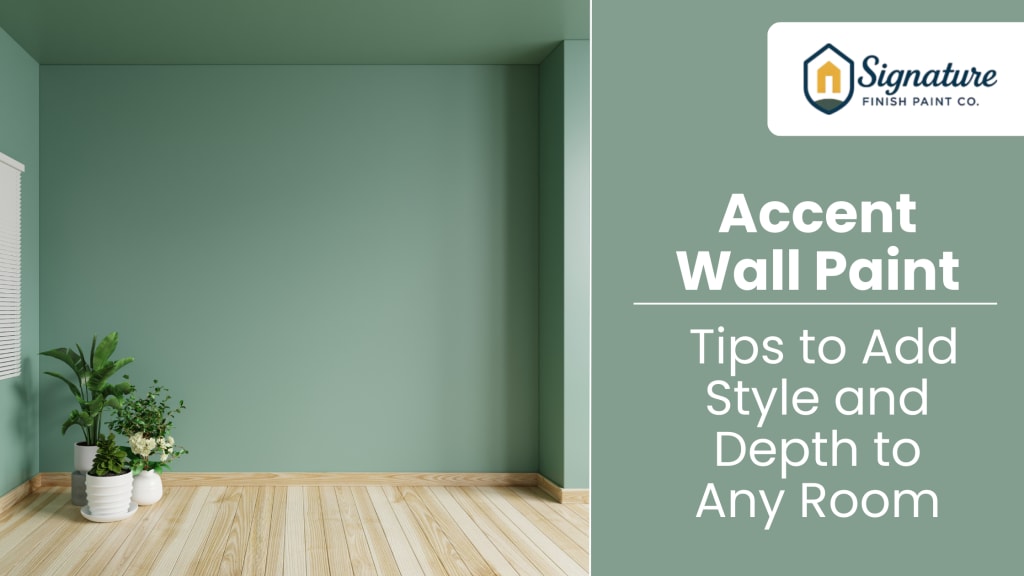
When people talk about quick upgrades that completely change a space, painting an accent wall is almost always at the top of the list. Interior painters often say that a single well-chosen color can shift a room's mood, make the layout look more intentional, and add personality without a full renovation.
Accent wall paint has become a popular design tool for homeowners who want style and depth without heavy spending, especially in homes where floor plans feel too plain or predictable.
The most common advice is, “Pick a bold color and paint one wall.” But if you want a result that genuinely looks crafted, modern, and mood-specific, you need more than that. Today’s interior design trends have moved beyond simple color pops.
Successful feature walls now work with lighting, textures, furniture placement, and even how people move through open-concept spaces. That level of detail is what separates a basic project from a professional finish.
This guide blends foundational knowledge with newer, less-discussed ideas, helping you choose wall colors that complement your home’s layout, whether you’re designing a gallery wall, refreshing a dining room, or visually fixing a boxy room.
Figure Out Your Room’s Natural Behavior
Before choosing paint colors, watch how the room behaves during the day. Natural light, shadows, window height, and even the direction the room faces can change how a color appears.
North-facing rooms make cool tones look colder, while west-facing rooms intensify warm tones by sunset. Professional painters rely on these observations because an accent wall needs to do more than look nice in perfect conditions; it should stay flattering at all times.
If the room has an open concept layout, take an extra moment to see where your eye naturally travels first. The focal point in these spaces isn’t always the longest wall.
Sometimes it’s the one that aligns with the main walkway or the area where the furniture naturally gathers. Adding a bold color to the wrong wall can break the flow of the room instead of drawing attention to the right spot.
Interior painting professionals often mention how coastal light behaves differently.
Sun-heavy climates give cooler colors a cleaner finish, while warmer climates make muted tones feel richer. Understanding your local light conditions is the kind of detail that helps you choose the right room color for every mood you want to create.
Choose a Purpose Before You Choose a Color
Accent wall paint only works when it has a job. Think about the mood: do you want the space to feel energetic, calm, dramatic, or cozy?
Cool blues and greens establish calmness, especially in bedrooms or small reading corners. Bold paint, like deep maroon or navy, adds drama to a dining room or a living area that lacks character. Earthy neutrals help a boxy room look warmer and more grounded.
Once the purpose is clear, picking accent colors becomes easier. If you’re designing a lively social zone, such as a dining room, a bold color can help guests focus on the eating space even in an open-concept home. In bedrooms or work areas, gentler tones help your mind relax and transition into the mood you want for that room.
Let the Wall Shape Guide the Color, Not the Other Way Around
One of the most overlooked parts of interior design is using wall shape to your advantage. Every room has one wall that naturally holds the story. That’s the one you should paint. It might be the wall behind your bed’s headboard, the living room wall where the sofa rests, or the dining room wall that frames your table.
If your room is long and narrow, painting the shorter wall in a deeper color brings the space into balance, making it feel less stretched. In a square or boxy room, an accent wall can add visual interest without making the space feel busy.
This method works especially well for floor plans that feel too wide or too tall. A darker shade on the furthest wall pulls the room toward you, helping you control depth in a subtle but effective way. That’s how interior painters use basic color theory to fix proportion issues without touching the layout.
Go Beyond Paint: Use Texture to Elevate the Feature Wall
Modern accent wall ideas have shifted from plain color to textured finishes that add depth. Reclaimed wood, wood paneling, limewash, Venetian plaster, and matte-chalk finishes all change a room's personality. Texture works beautifully in places where plain paint feels flat or predictable.
Reclaimed wood brings warmth to cold modern interiors, especially when paired with neutral furniture. Wood paneling adds a classic look in dining rooms, home offices, and hallways by giving the eye multiple layers to follow. Even a black accent wall becomes softer and more elegant when finished in a matte rather than a glossy finish.
If you want something fresh but subtle, try tonal variation. Use one color but apply it in two different sheens, matte for the background and satin for a pattern. The result is a feature wall that catches light softly without becoming overwhelming.
Balance the Accent Wall With the Furniture Around It
A painted accent wall stands out, but the room should still feel cohesive. Look at the items already in the room: sofa fabrics, wooden finishes, rugs, and the undertone of your floors, and choose paint colors that work with them rather than compete with them.
If your feature wall sits behind a TV or a large piece of furniture, avoid extremely bright tones that may cause glare or visual noise. If you're building a gallery wall of photos or art, choose a color that allows the frames to pop rather than blend.
In open-concept homes, the accent wall has to work twice as hard. It needs to stand out but also support the surrounding areas. Soft greens, dusty terracotta, deep charcoal, and muted teal are popular choices because they add depth without clashing with shared living spaces.
Use Lighting to Amplify the Effect
Accent wall paint comes alive only when the lighting supports it. A warm bulb softens dark tones, while cool lighting sharpens bright ones. Track lights, floor lamps, and even wall sconces can transform a bold color into a statement piece.
If you’re painting a black accent wall, lighting becomes essential. Without it, the wall may look flat or too heavy. With proper lighting, it turns sophisticated and visually rich. This is why professional painters always ask homeowners about lighting plans before finalizing accent colors.
Experiment With Non-Traditional Walls
You don’t have to limit yourself to the main walls. Hallway ends, window walls, fireplace walls, and even the inside of built-in shelves can become focal points.
Painting a narrow hallway wall in a bold color makes the space feel purposeful rather than transitional.
Painting the inside of open shelves is an inexpensive way to create visual interest without committing to a full accent wall. Even small spaces like foyers or reading corners benefit from a touch of accent wall paint, which helps define areas in homes with fluid floor plans.
When to Bring in Professional Painters
DIY is great, but not every accent wall is simple to do. If your design includes texture, geometric patterns, or wood paneling, hiring professional painters gives you a cleaner finish. They know how to prep surfaces, match undertones, and correct minor wall flaws so the paint sits smoothly.
In locations with unique climate conditions, such as interior painting projects, professionals choose paints that hold up against humidity and heat. A well-executed accent wall should last years without fading, peeling, or losing its smooth finish.
Final Thoughts
Accent wall paint is more than a color trend. It’s a practical design tool that lets you control mood, depth, and visual flow. Whether you prefer reclaimed wood, a black accent wall, a bright feature wall, or a simple muted tone, the goal is always the same: to create a focal point that feels intentional.
When you choose the right room color for every mood you want to set, the entire space feels more polished, more personal, and far more stylish.
If you approach your accent wall thoughtfully and understand how color interacts with shape, light, and texture, your room won’t just look better. It will feel better.
About the Creator
Robert Clark
Experienced house painter with 5+ years on the job. I've painted everything from small rooms to full houses. I know my way around brushes, rollers, and sprayers. Sharing tips on prep, paint types, and pro tricks.
Keep reading
More stories from Robert Clark and writers in Journal and other communities.
How Seasonal Care Can Protect Your Drywall All Year Long
Drywall is one of those things we rarely think about, yet the weather outside can quietly influence how it behaves inside our homes. Over time, changes in heat, humidity, and moisture can leave behind cracks, soft spots, or bubbling paint. As I started paying more attention to these small signs, I realized just how closely our walls respond to every season. Understanding this not only helps with general home care but also makes it easier to notice when drywall repair might be needed.
By Robert Clark3 months ago in Lifehack


Comments
There are no comments for this story
Be the first to respond and start the conversation.