
A Guide to Non-Alcoholic Champagne The Sparkling Sip Without the Buzz
winesformothers
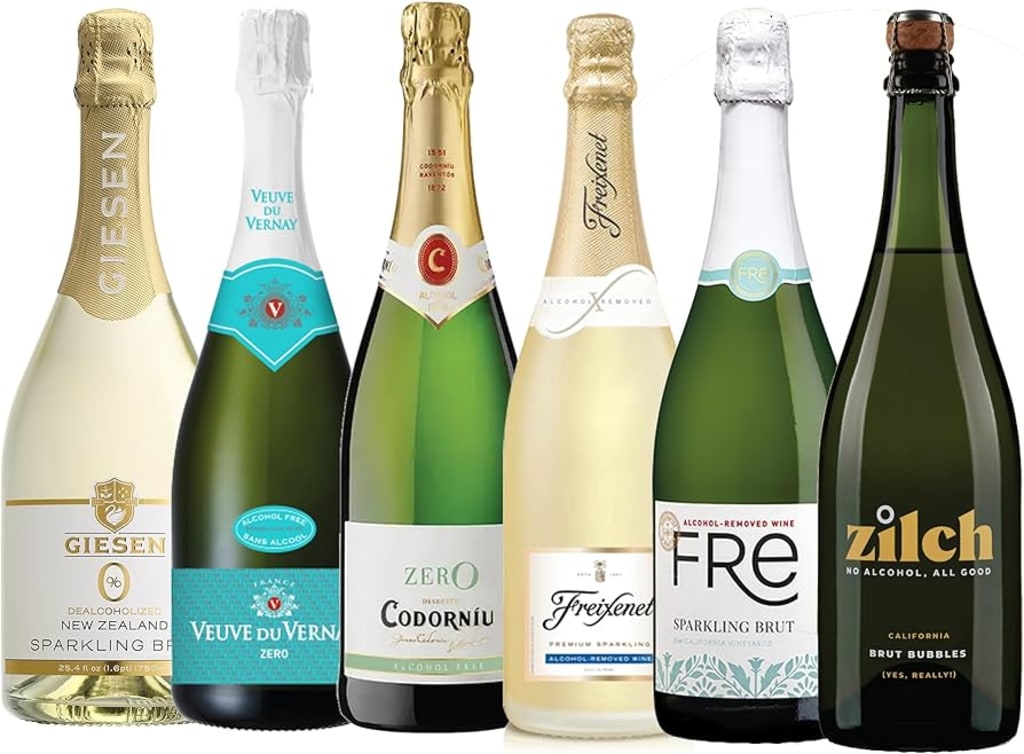
What is Non-Alcoholic Champagne?
Non-alcoholic champagne—also referred to as alcohol-free sparkling wine—offers the luxurious taste, effervescence, and celebration of traditional champagne without the alcohol content. It’s a growing trend among health-conscious consumers, designated drivers, pregnant individuals, and anyone who wants to enjoy the social aspect of drinking without the effects of alcohol.
While true “champagne” must come from the Champagne region of France, the term non-alcoholic champagne is often used informally to describe alcohol-free sparkling wines made using the same grape varieties (Chardonnay, Pinot Noir, and Pinot Meunier) and fermentation techniques, minus the alcohol.
How is Non-Alcoholic Champagne Made?
Creation of non-alcoholic champagne involves traditional winemaking techniques, with one additional and crucial step: alcohol removal. There are several methods used to remove alcohol from wine, including:
1. Vacuum Distillation
This method involves gently heating the wine in a vacuum, lowering the boiling point of alcohol so it evaporates without damaging the wine’s flavor.
2. Reverse Osmosis
In this process, wine is passed through a membrane that filters out alcohol molecules while retaining flavor compounds. The wine is then reconstituted with water and flavor to resemble the original profile.
3. Spinning Cone Column
A high-tech and efficient method where centrifugal forces separate alcohol from the wine under low heat, preserving the taste and aromatic complexity.
Each method is designed to retain the mouthfeel, texture, and flavor complexity that people expect from traditional champagne while reducing or eliminating the alcohol content (usually less than 0.5% ABV).
Why Choose Non-Alcoholic Champagne?
Non-alcoholic champagne appeals to a wide variety of consumers for both health and lifestyle reasons:
Health-conscious choices: Lower calories and no alcohol-related health risks
Pregnancy or breastfeeding: Enjoying a toast without endangering health
Religious or personal beliefs: Aligning with lifestyles that avoid alcohol
Sober curious movement: Exploring a healthier relationship with drinking
Designated drivers: Participating in festivities without compromising safety
It’s the perfect alternative that allows everyone to partake in celebrations, toasts, and New Year’s cheers without compromising their choices.
Top Brands of Non-Alcoholic Champagne and Sparkling Wines
The market for alcohol-free beverages is booming, and premium producers are crafting excellent non-alcoholic champagnes and sparkling wines. Some top brands include:
1. Thomson & Scott Noughty
A favorite among critics, this organic, vegan-friendly sparkling Chardonnay delivers crisp acidity and a dry finish.
2. Pierre Chavin Perle Blanc
An elegant French sparkling wine offering notes of white flowers and citrus, ideal for sophisticated palates.
3. Freixenet 0.0 Sparkling
From the well-known Spanish cava producer, this blend offers balanced sweetness and fruity aromas with zero alcohol.
4. Lyre’s Classico Grande
Inspired by the iconic profile of Italian prosecco, Lyre’s non-alcoholic sparkling is complex, refreshing, and celebratory.
5. Leitz Eins Zwei Zero Sparkling Riesling
Made with German precision, this Riesling-based bubbly features vibrant minerality and floral citrus notes.
These brands are committed to craftsmanship, sustainability, and high-quality flavor that rivals alcoholic versions.
How to Serve and Pair Non-Alcoholic Champagne
Just like its traditional counterpart, non-alcoholic champagne is best served chilled, between 46°F–50°F (8°C–10°C), in a flute or tulip glass to enhance the bubbles and aromas.
Food Pairings:
- Brunch: Serve with smoked salmon, eggs Benedict, or avocado toast.
- Appetizers: Pair with goat cheese, shrimp cocktail, or olives.
- Main Courses: Enjoy grilled chicken, seafood dishes, or light pasta.
- Desserts: Complement with fruit tarts, lemon mousse, or almond biscotti.
Its crisp acidity and sparkling texture make it an incredibly versatile companion to many cuisines and occasions.
Non-Alcoholic Champagne for Every Occasion
Non-alcoholic sparkling wines are ideal for:
- Weddings and engagement parties
- Baby showers and gender reveals
- Graduations and promotions
- Holiday dinners and New Year’s Eve
- Mocktail mixology and sober parties
Whether you’re toasting a major milestone or just want something bubbly for a Tuesday night, non-alcoholic champagne is a stylish and modern choice.
Health Benefits of Going Alcohol-Free
Choosing non alcoholic champagne over traditional wine comes with several benefits:
- Fewer calories and sugars than regular wine
- No hangovers or liver stress
- Lower risk of long-term alcohol-related health issues
- Maintains hydration levels
- Improves mental clarity and sleep quality
For many, it’s not about cutting out alcohol entirely—but adding more choice and balance into their lives.
The Future of Non-Alcoholic Sparkling Wine
As consumers demand more inclusive, health-focused beverages, the non-alcoholic wine market is rapidly expanding. Wineries are investing in better technology, higher quality grapes, and craftsmanship that rivals traditional wine production.
Even Michelin-starred restaurants and luxury bars now offer alcohol-free wine lists, recognizing the growing demand for refined, adult-worthy options without alcohol.
Conclusion
Non-alcoholic champagne is no longer just a substitute—it’s a celebration in its own right. With elegant taste, luxurious packaging, and wellness in mind, these sparkling alternatives provide all the sparkle without the spirits. Whether you’re embracing a sober lifestyle, exploring mindful drinking, or simply want a delicious drink without consequences, non-alcoholic champagne delivers sophistication with every sip.
About the Creator
andy
I am a passionate guest blogger who enjoys exploring and writing about a variety of topics. I aim to provide insightful and engaging content that resonates with readers.
How Receipt Printers Improve Checkout Speed in Retail Stores
Introduction Retail stores in New Zealand often face long queues during busy hours. Customers expect quick service, especially in supermarkets, convenience stores, and small retail outlets. When checkout lines move slowly, shoppers may feel frustrated and leave the store with a negative experience.
By POS Central NZabout 4 hours ago in Journal



Comments
There are no comments for this story
Be the first to respond and start the conversation.