
A Guide to Implement Accounting Software in Organizations
Implementation Accounting Software

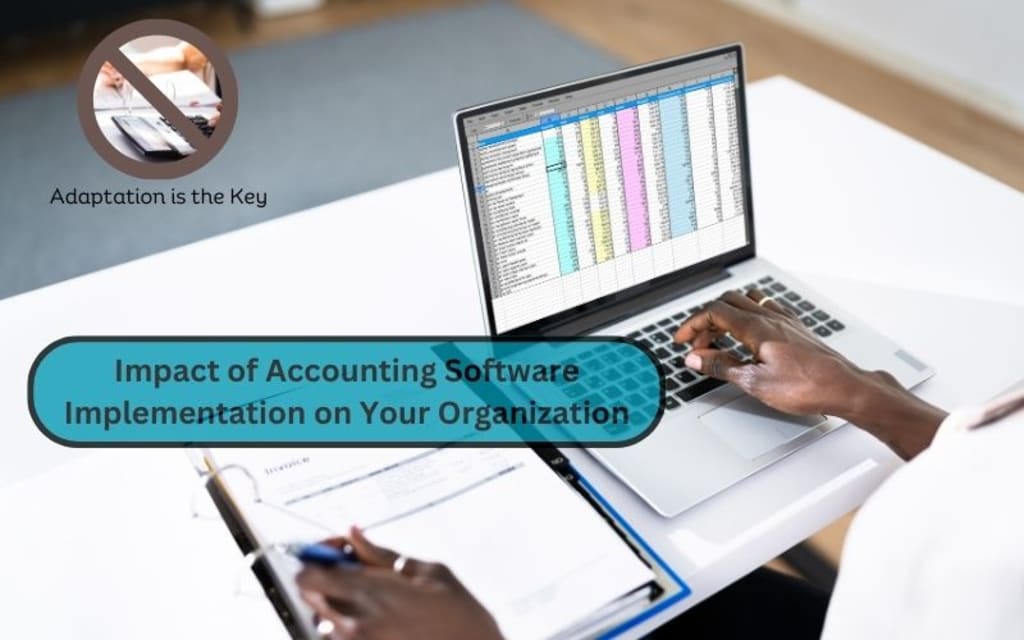
Welcome to the gateway of financial transformation! In the ever-evolving landscape of business, the implementation of accounting software has become not just a necessity but a strategic imperative.
Establishing the transition to a new accounting system is a big project that must be carefully planned. The significance of the process for organizations, especially tribal governments, is emphasized by the impact of accounting software implementation services. The three popular methods for implementing systems are the focus of the conversation, which will also cover the detailed steps involved.
The Three Approaches to Systems Implementation:
1. Big Bang Implementation:
The Big Bang approach calls for a rapid transition in which everyone in the organization begins using the new accounting system at the same time. While this approach can speed up the implementation process, it may also lead to budget overruns and employee frustration, if issues are not addressed quickly.
2.Parallel Running:
Parallel running, which is considered the safest method, involves using both old and new systems at the same time. This approach allows users to gradually adjust to the new system while keeping the old one as a backup. However, it demands more time from users, entering data into both systems.
3. Phased Adoption/Rollout:
Phased adoption entails implementing the new system in stages, starting with the most critical modules. Although this approach may result in higher integration costs, it can be a strategic choice for organizations looking to manage the transition more effectively.
The Accounting Systems Implementation Process:
Implementation Planning/Project Initiation:
Define the project's main elements, such as objectives, scope, dangers, assumptions, and deliverables. Conduct a thorough review of the organization's processes and requirements, identify opportunities for improvement and incorporate them into the project plan.
Software Installation:
Install accounting software on organizational computers to ensure hardware and network infrastructure compatibility.
Team Project Training:
Train and motivate employees to participate in the implementation process, preparing them for a smooth transition.
System Design:
Produce a detailed system design plan that involves functional areas, transactions, processes, security measures, and database/coding structures. This plan serves as a blueprint for the configuration stage.
Accounting System Set up:
Collaborate with consultants to set up the accounting system according to the design plan. This phase requires extensive testing, with sign-off indicating system acceptability.
Clean Up Records in Old System:
Before migrating data, clean up any records in the old system to simplify the transition.
Data Migration:
Implement a well-defined plan for transferring all data from the prior system to the new accounting system.
Systems Training:
Build a training plan and materials, collaborating with consultants to cover all new software functions. The training should be timed appropriately to ensure staff proficiency when the system is launched.
Go Live:
Make the final transition to the new system, going live with the newly implemented accounting software System.
Post-Implementation Support:
Ensure that the accounting software company provides ongoing support and employs resources like help desks and webinars to improve staff proficiency.
Why Accounting Software is Essential:
Implementing accounting software in organizations offers various perks:
Easier Maintenance of Data:
Streamlined data management reduces the possibility of errors and streamline procedures.
Improved Inventory Management:
Effective inventory management and tracking improves company’s performance at all levels.
Updated Regulatory Requirements:
The software ensures fulfillment of regulatory requirements with the help of its seamless change adaptability.
Proactive Accounting:
Accurate forecasting is possible by analyzing real-time accounting data, which ensures financial stability and timely accounting.
Streamlined Reporting:
Features for automated reporting make it easier to produce accurate reports on time, which leads to informed decision-making.
Conclusion:
There are obstacles to the implementation of accounting software, which eventually results in significant long-term advantages. Tribal governments and other organizations benefit from increased efficiency, regulatory compliance, and proactive financial management. Businesses can navigate the complexities and benefit from a modern and efficient accounting system by adhering to a structured implementation process. Consulting with accounting software implementation specialists can expedite the process if the time and resources are excessive, freeing organizations to concentrate on expansion.
About the Creator
Harsha Jain
BlueArrow CPAs, a auditing, consulting, and IT services to tribal governments nationwide. Specialize in tribal financial challenges, providing high-quality, tailored solutions for financial integrity.
Keep reading
More stories from Harsha Jain and writers in Journal and other communities.
Why Organizations Rely on Accounting and Financial Consulting Services
With organizations always looking ahead to scale themselves, it brings with it multiple complexities. As your organization grows, you have to work on managing the expanding operations, more employees, new clients & bigger budgets. When you are growing bigger, even small mistakes can cause big problems, which is why organizations rely on accounting and financial consulting services, which are helpful to achieve better financial performance, improved efficiency & sustainable growth. These experts help ensure that as your business grows, your financial foundation stays strong. In this blog, we’ll break down what each of these services includes, how they work together and why they’re becoming essential for organizations.
By Harsha Jain7 months ago in 01
How Small Parts Make a Big Impact in Aerospace Innovation
When we think of aerospace innovation, our minds often gravitate toward the groundbreaking technologies: cutting-edge engines, advanced avionics, and sleek aircraft designs. However, the true power of modern aviation lies in the unseen, often overlooked components the small parts that make everything work seamlessly. Precision bearings and engineered motion components are some of these unsung heroes, playing a crucial role in the smooth operation of aircraft, military systems, and more.
By Beckett Dowhan5 days ago in Journal



Comments
There are no comments for this story
Be the first to respond and start the conversation.