
A Comprehensive Guide To Understanding Concrete Costs
Discover how premium concrete features like monolithic slabs, decorative finishes, and remote pours can boost your home or business value in Alaska.
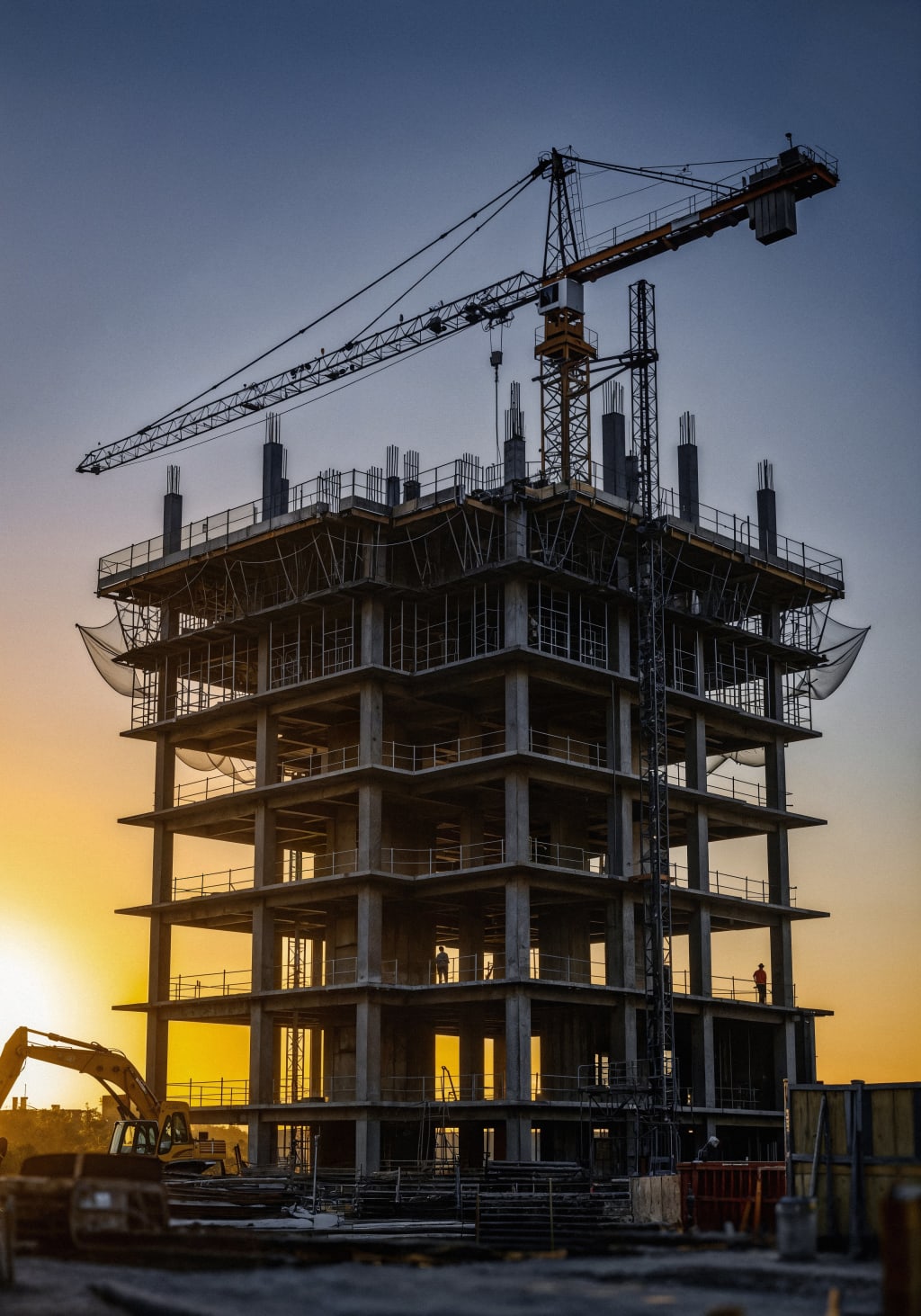
Understanding the cost of high quality construction with concrete can be a mystery for some. Why does it vary? How much can it be? What factors truly influence the final costing? These are some of the many questions that cloud the minds of several people when going for a concrete construction project.
As a leading concrete construction company ourselves, we ensure complete transparency, empowering customers with knowledge. To continue on this course, we have curated this guide to help you understand the concrete construction cost. We will also explain the key elements that contribute to the overall price.
By understanding this, you will be well-equipped to budget for your project effectively, ask the right questions, and make informed decisions. This will help whether you are looking for concrete sidewalks for homes, an affordable patio installation near me, or a polished concrete shop floor.
What Goes Into Concrete Construction Costs?
There is not one thing that affects the concrete costs. It is a combination of materials, labor, equipment, and a host of project-specific variables. Below, we will explore each one in detail.
Material Costs
The primary materials of concrete are cement, aggregates (sand, stone, or gravel), water, and sometimes admixtures. The cost of these raw materials varies based on the global markets, energy prices, and local supply chains.
Cement Content: This is the most significant material cost factor. Concrete strength is measured in PSI (pounds per square inch) or MPa (megapascals). A higher-strength concrete requires a higher proportion of concrete and thus costs more. The different strength concretes available are as follows:
2500 - 3000 PSI: Viable for light-duty applications like patios, walkways, and show slabs.
3500 - 4000 PSI: Ideal for driveways, residential foundations, and garage floors, providing good reliability for vehicle traffic.
5000+ PSI: Only for heavy-duty industrial floors, structural elements, and commercial applications requiring high strength, often used in high end construction projects.
Aggregates: Although aggregates are less expensive than cement, the type and quality can affect costs. Especially aggregates, such as lightweight or recycled materials, may cost a premium price.
Admixtures: These are the chemicals that modify the properties of the concrete, affecting its setting time, workability, freeze-thaw resistance, and water resistance. These include the following.
Accelerators: These help speed up setting, ideal for cold weather, but add a few extra bucks.
Retarders: These help slow down setting, ideal for hot weather or for complex pours.
Water Reducers: These improve workability without adding more water, resulting in stronger concrete.
Air-Entraining Agents: These enhance freeze-thaw resistance, essential for colder regions.
Color Pigments: These powdered or liquid pigments are for decorative concrete floors and surfaces, like driveway decorative concrete, but significantly increase the overall cost.
Cost Implication: Each admixture adds to the total material pricing, but they can be important for project performance and longevity.
Reinforcement: Concrete is often reinforced to prevent cracking and improve the overall tensile strength.
Rebar: Steel bars are mostly used for structural integrity in foundations, slabs, and walls. These include those for a poured concrete retaining wall. The size, quantity, and grade of rebar directly affect costs.
Wire Mesh: A whole grid of steel wires comes in handy for lighter reinforcement in slabs like patios and sidewalks. This is generally cheaper than rebar.
Fibers: Whether synthetic or steel, fibers can be used in the concrete mix to reduce the chances of cracking and enhance impact resistance.
Sonotubes: These are used to form concrete columns or footings. The cost of the tubes themselves and the sonotube installation will be added for construction projects requiring pier foundations. It is also important to know where to buy sonotubes to adjust sourcing costs.
Cost Implication: Reinforcements add a per square foot or per cubic yard price to the overall project cost.
Labor Costs
Concrete work is highly labor-intensive and requires skilled and experienced professionals. Labor mostly accounts for a big portion of the total project cost, which will most probably be around 40 - 50%.
Project Difficulty: Simple projects require less labor as compared to complex designs with multiple layers or decorative finishes, such as driveway decorative concrete or concrete sidewalks for homes. Building a poured concrete retaining wall includes specialized forming and bracing.
Site Convenience: If the concrete truck or any other equipment cannot directly access the pour area, you will require more manual labor, which will also increase time and cost. This is especially true for projects that are not easily accessible.
Crew Size and Skills: Bigger and more experienced crews may come at higher hourly rates, but they provide a more efficient and effective service. This will potentially save money in the long run by lowering the overall risks of errors or callbacks. Skills are also important for simple and specialized applications, like a polished concrete shop floor.
Project Location: Labor rates differ greatly from region to region and even by city. Locations with higher costs of living generally have higher labor rates.
Time of the Year: In several areas, concrete work is seasonal. For example, Spring and Summer may see higher demands and slightly more labor costs due to low availability.
Equipment Costs
Specialized equipment is necessary to ensure reliable and high end construction. Therefore, the rental or operational prices are included in the overall cost.
Concrete Mixer or Truck: Ready mix concrete costs involve the delivery and truck rent. For remote sites or specific needs, mobile concrete batching can work well. They can mix concrete on-site, lower the chances of waste, and ensure a fresh concrete mix.
Concrete Pump: For locations that are hard to reach, a concrete pump is invaluable. Although they work well, these are expensive to work with and maintain. Their use will add up to the overall costs.
Formwork: Formworks create molds that help hold the wet concrete in place until it settles and cures. These can be of various types, including lumber, plywood, or specialized metal forms. For a monolithic concrete slab, these molds are essential to make sure the pour hardens in place. Durable, strong, and accurate formwork is crucial to building a poured concrete retaining wall.
Finishing Tools: These include trowels, floats, power trowels, and screeds, which are important to get desirable concrete finishes. This is especially true to ensure a smooth concrete floor shop or when getting things ready for a polished concrete shop floor.
Digging Equipment: If the project requires any kind of excavation work, for example, a poured concrete retaining wall, you will require specific digging or grading equipment. These include excavators, bobcats, or other heavy equipment or machinery.
Project-Specific Variables
Other than the core materials, equipment, and components, there are several unique project aspects that influence the final cost. These are as follows.
Size and Width: The larger and thicker slabs need more concrete and labor to work adequately. Although the complete cost increases with size, the cost per square foot may decrease a bit for very large projects. A monolithic concrete slab, while providing structural integrity, may require a large volume of concrete as compared to a piecemeal approach.
Site Preparation:
For new construction, the site will need to be cleared, excavated, and graded to start the project from scratch. This will involve significant earthwork to make a level and stable subgrade.
To construct an existing structure, the labor will have to remove and dispose of other materials and concrete. This will add substantial cost. Demolition and hauling away components is hard work. This is a main factor when upgrading old concrete sidewalks for homes or renovating a driveway with driveway decorative concrete.
For subbase material, stability is crucial for longevity. This will prevent concrete from settling and cracking. The cost of subbase material and compaction will also be included in the final estimate.
Drainage Installation: For driveways, patios, and other outdoor surfaces, proper drainage is essential. The work may require sloping the concrete, installing tech drains, or integrating pervious concrete. No matter which solution you use, each has its own costs. For a poured concrete retaining wall, proper drainage is crucial to avoid hydrostatic pressure buildup.
Decorative Requirements: If you want good aesthetics, you must know that it will significantly impact the overall price. For decorative concrete floors, you get plenty of options, and the prices vary.
Basic Broom Finish: The most budget-friendly choice is this standard finish. It gives good slip resistance, which is common for concrete sidewalks for homes and basic driveways.
Smooth Trowel Finish: This is slightly more expensive than a basic finish. This is because of the extra labor involved in getting a nice and smooth surface, often good for a concrete floor shop.
Stamped Concrete: It can mimic the look of natural brick, stone, wood, or any other texture you want. This is not easy work by any means, as the process requires specialized tools and skilled labor. It is common for driveway decorative concrete and patios. You can expect an increase of anywhere from $5 to $15 or more per square foot.
Colored Concrete: This is done by adding pigments to the mix or applying stains to the surface. This will add to the material price and can also affect the labor requirements. It is a main component of many decorative concrete floors.
Polished Concrete: It creates a high-gloss and durable surface, usually good for interiors like a polished concrete shop floor. This is a multi-step method that involves grinding and polishing using specialized equipment. This makes it one of the most costly finishes.
Design Complexity: Different difficult patterns, curves, several levels, and embedded components will always be costly than simple designs. This is likely due to increased labor and material waste. It is true for projects like driveway decorative concrete patterns or a custom poured concrete retaining wall design.
Maintenance: For something like a concrete floor shop, especially a polished concrete shop floor, ongoing maintenance adds up in the overall cost. Also, the sealer applications, like the best concrete sealer for shop floor, are essential for longevity and appearance.
Permits and Inspections: In many places, you require proper permits for concrete projects, especially driveways, foundations, and significant structural work. The fees and documentation vary by location and project type. Many locations also require proper inspections at different stages of the project. This is particularly true for high end construction or complex monolithic concrete slab pours.
Warranty: Often, reputable and trustworthy contractors offer warranties on their work. This might be included in the pricing to cover potential callbacks or repairs.
Seasonality and Time-Dependency: As we talked earlier, peak seasons can tend to slightly increase the overall costs. If you are on a tight deadline, expect to pay a premium price for expedited service.
General Cost Estimates For Common Concrete Projects
It is challenging to pinpoint the exact cost of the concrete construction project since every project is different. However, the following are some general price estimates per square foot.
Plain Concrete Slab: For something like a small patio or shed foundation, you can expect to pay around $4 - $8 per square foot. This is an estimate for a basic slab with a standard broom finish that can work well for many outdoor areas or a basic concrete floor shop.
Concrete Driveway: For something like a concrete driveway or driveway decorative concrete, you can expect to pay around $5 - $25 per square foot. The reason for this wide range is due to the choice of size, thickness, reinforcement, site preparation, and finishes.
Concrete Patio: If you are searching for something like affordable patio installation near me, expect to pay around $5 - $15 or more per square foot. Basic patios are affordable and cheap, whereas projects like decorative concrete floors can be costly.
Concrete Sidewalks for Homes: If you want to build a sturdy and durable sidewalk, expect to pay somewhere around $5 - $12 per square foot. This usually accounts for a broom finish and standard thickness. The price can vary based on the choice of curves or decorative elements.
Concrete Foundation: Something like a slab-on-grade or monolithic concrete slab can cost around $6 - $18 per square foot. This involves excavation, vapor barriers, reinforcement, subbase, and forming.
Stamped Concrete: If you want a stamped concrete service on top of a base cost, it may cost around $5 - $15 or more per square foot. Considering this, a stamped concrete patio price may reach around $10 - $25 per square foot.
Poured Concrete Retaining Wall: For this, you can expect to pay around $20 - $50 or more per square foot. This price varies based on size and complexity, as well as reinforcement and excavation requirements.
Concrete Repair: These vary depending on the type and extent of the repair service required, and can be as follows:
Hairline Crack Filling can cost somewhere between $100 - $500.
Larger Crack Repairs or patching can cost around $500 - $1500 or more.
Concrete Resurfacing can cost $3 - $10 per square foot.
Slab Jacking or Lifting can come at a price of $500 - $6000 or more.
Full Slab Replacement can be around $4 - $25 per square foot plus demolition.
Checklist For Getting An Accurate Concrete Quote
Taking the different variables into consideration, getting an accurate quote is important. Here is how to make sure you receive a fair, comprehensive, and comparable estimate.
Clearly Tell Your Requirements
Be specific about the length, width, and thickness of your desired project. For projects like a poured concrete retaining wall, specify both the length and height. Make sure to also state the purpose of your project, like a driveway for two cars, a patio for outdoor dining, or a new concrete floor shop. This determines the required concrete strength. In addition to this, you must also specify the broom, smooth, stamped, exposed aggregate, or polished concrete, etc. It is also better to provide reference photos.
Other than this, also tell if you want rebar, wire mesh, or fibers. Will you want a sonotube installation or not? If you are unsure about any of the things, discuss with the concrete contractor about the appropriate requirements, especially for something like a monolithic concrete slab. Moreover, clearly communicate the existing conditions and the current state of the site. Consider whether mobile concrete batching might be suitable for your project. Lastly, mention any specific drainage requirements or concerns that you might have.
Ask For Itemized Quotes
A good, reputable, and transparent contractor will clearly break down the costs of different categories, such as:
Materials (concrete, sonotubes, etc.)
Labor (for work, trucks, cleanups, etc.)
Site Preparation (excavation, demolition, etc.)
Equipment (including stuff like mobile concrete batching fees)
Permits (if applicable)
Cleanup and disposal
Any special treatments (e.g., driveway decorative concrete or the best concrete sealer for shop floor)
Get Multiple Estimates For Comparison
It is best to get at least three quotes from different, trustworthy concrete contractors. Make sure that all contractors are giving the quotes for the exact same kind of work according to the same specifications. A little variation in pricing is ok, but if one quote is significantly higher or lower, ask why. There might be some misunderstanding or a difference in the quality of anything. This is especially important if you are out searching for something like an affordable patio installation near me.
Verify the Integrity
Always make sure the contractor is properly licensed and insured. This protects you from any potential issues that may happen during the project’s lifetime, particularly essential for high end construction.
Other than this, you must also ask for references or go through the portfolio of previous work. This is especially important for specialized work like decorative concrete floors or a polished concrete shop floor. Also, you can check online reviews on platforms like Google or Yelp.
Understand the Pricing
It is best not to assume anything and clarify with the contractor. Ask questions like Is site preparation included in the quote? Is the cleanup of the site included? And what kind of warranty is offered?. For something like a concrete floor shop, ask about the recommended maintenance and sealing.
Don’t Always Prefer the Cheapest Option
While final pricing is a major make-or-break factor, the cheapest option is not always the best. It is better to pay a few extra bucks rather than get poor service or an unreliable project. Poorly constructed concrete projects will lead to costly repairs, maintenance, or even replacement down the line.
Final Takeaway
Understanding concrete pricing includes figuring out the parts of materials, labor, equipment, and unique project characteristics. From pouring concrete sidewalks for homes to installing a sturdy monolithic concrete slab or decorative concrete floors, every detail goes into the final pricing.
Whether you need an affordable patio installation near me or want the experience for high end construction with specialized finishes, a knowledgeable concrete contractor will guide you right.
This is where Alaska Concrete Guy comes in. Whether you have a clear understanding of the concrete project pricing or are a newbie in the field, our experts have your back every step of the way. We help you achieve a high-quality, long-lasting concrete solution according to your needs and budget.
Whenever you are ready to discuss your concrete project or want a detailed and transparent quote, contact us to schedule your consultation.
About the Creator
Keep reading
More stories from Alaska Concrete Guy and writers in Journal and other communities.
A Guide To Building The Best Driveways and Patios On Your Property
Building anything outside your home or office comes with a lot of challenges. Especially in Alaska, which experiences some harsh weather, freeze-thaw cycles, and permafrost conditions. For such situations, you want your outside structures to be reliable, strong, and durable, whether you are building polished concrete shop floors or a high-end driveway. Also, it must be versatile and complement the right aesthetics.
By Alaska Concrete Guy8 months ago in Journal
Yoan Iglev Reveals the Influence of Classical Art in Contemporary Murals
Public art has the ability to change how people experience a city. Large murals on walls can turn simple buildings into meaningful cultural spaces. One artist who has contributed to this form of art is Yoan Iglev, a Bulgarian painter known for creating monumental murals and artistic mosaics.
By Mark Walker7 days ago in Journal



Comments
There are no comments for this story
Be the first to respond and start the conversation.