
A Bitter Pill to Swallow
Comprehensive Anti-Corruption Reform

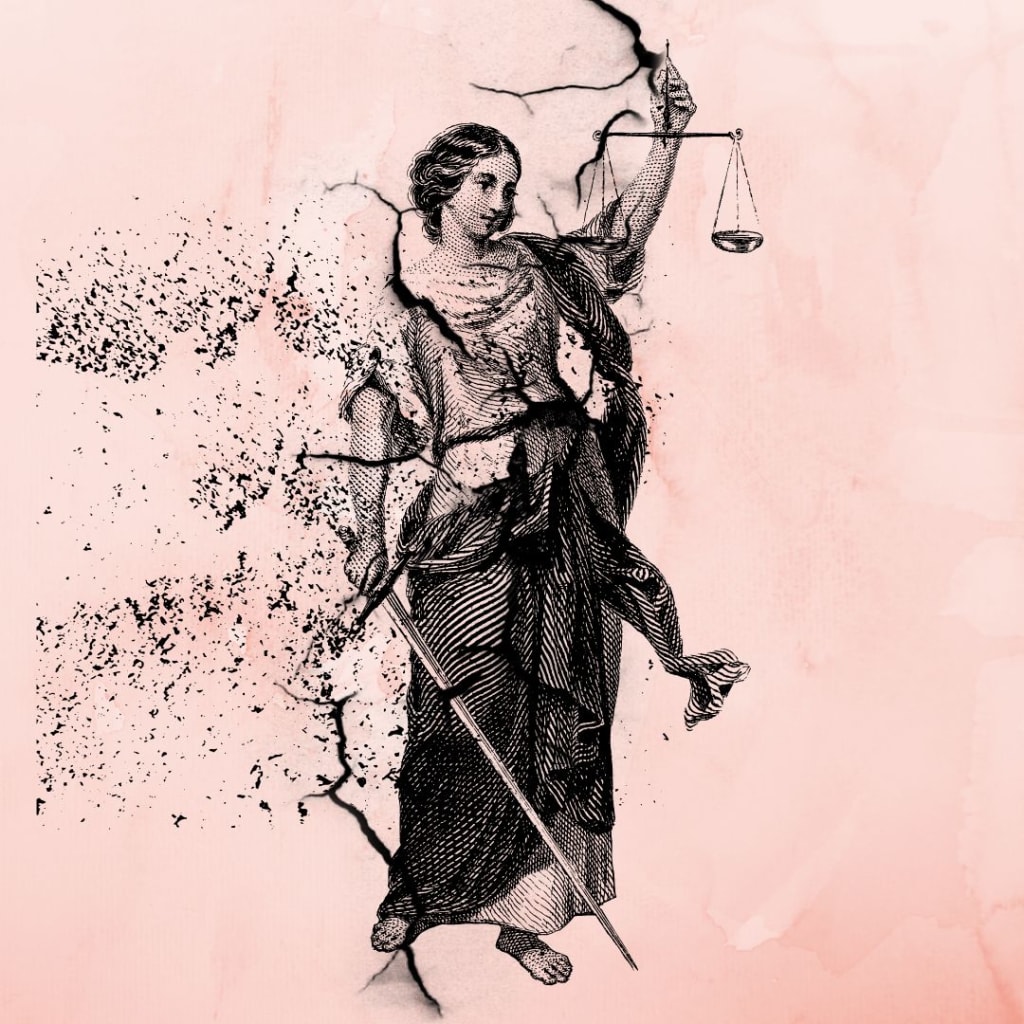
President Prabowo Subianto's statement about the importance of impoverishing corruptors while ensuring justice for their families is indeed interesting to discuss further. However, there are concerns that the negotiation approach and the return of stolen assets could become a substitute for the firm punishment that is actually needed to eradicate corruption in Indonesia.
Corruption in Indonesia has indeed gone beyond individual actions and evolved into a system deeply rooted in our culture and institutional structures. This phenomenon makes corruption so difficult to eradicate because it has become integrated with the way work and social relationships function at various levels of government and society.
Indonesian culture tends to be more responsive to punishment than rewards in terms of legal compliance. This is not merely a cultural characteristic but also the result of the collective experience of a society that has witnessed how the lack of firmness in law enforcement allows corrupt behavior to continue.
Criminologist Satjipto Rahardjo (2009) once stated that the effectiveness of law in Indonesia is highly dependent on "shock therapy" in the form of real and visible punishment, not just behind-the-scenes negotiations. According to him, Indonesian society needs concrete evidence that the legal system functions and is capable of acting against corruptors indiscriminately.
However, it should be remembered that the consequences of corruption should be fully borne by the perpetrators, not their uninvolved families. This creates an ethical and legal dilemma that needs to be resolved wisely. How do we ensure strict punishment for corruptors without violating the basic rights of their families?
Data from the Corruption Eradication Commission (KPK, 2023) shows that almost 60% of corruption cases in Indonesia involve systemic networks involving several parties with different roles. This indicates that corruption is no longer just an issue of individual morality, but a structural problem that requires a comprehensive approach.
A study conducted by Indonesia Corruption Watch (ICW, 2023) shows that light punishments and the possibility of negotiation actually create a risk calculation that encourages corrupt behavior. When a potential corruptor knows that by returning some of the proceeds of corruption they can get a lighter sentence, corruption becomes a "low-risk investment."
Meanwhile, criminal law expert Eddy O.S. Hiariej (2022) argues that impoverishing corruptors should be an integral part of the sentencing strategy, not an alternative that can be negotiated. According to him, the return of assets resulting from corruption should be additional, not a substitute for substantial prison sentences.
It is true that children and families should not bear the sins of their parents. However, we also need to distinguish between assets obtained legally and those resulting from corruption. Assets acquired before the term of office and through legal means certainly need to be protected, but all forms of wealth proven to originate from corruption should be confiscated without compromise.
It should be remembered that corruption is not a victimless crime. Every rupiah corrupted is a rupiah that should have been used for education, health, and public welfare. When we talk about justice for the families of corruptors, we also need to consider justice for millions of Indonesian children who lose the opportunity to get proper education and health services due to corruption.
A more comprehensive approach might involve a clearer classification of assets, where personal assets legally obtained before the term of office can be separated from assets obtained during the term of office that should be suspected. This allows the legal system to impoverish corruptors without unfairly punishing their families.
Criminology professor Romli Atmasasmita (2020) suggests that the effectiveness of impoverishing corruptors lies not only in asset seizure but also in preventing corruptors from enjoying the proceeds of their crimes. This means that in addition to confiscation, we also need a system that prevents corruptors from transferring their assets to family or third parties.
Indeed, Indonesian social culture, which upholds friendship and gift-giving, has created a gray area that is often exploited by corruptors. Gratification is often disguised as gifts or tokens of appreciation, and this has become part of the normalization of corruption in bureaucratic culture. Anthropologist Irwan Abdullah (2019) from Gadjah Mada University explains that Indonesian society has developed social mechanisms that create "cultural justification" for acts of corruption. For example, terms such as "smoothing money," "thank you money," or "cigarette money" have legitimized small-scale corrupt practices that eventually develop into large-scale corruption. Thus, the approach to corruption must involve cultural transformation and strengthening integrity systems at all levels. This is not just about punishing corruptors, but also about creating an environment where corruption is no longer considered normal or inevitable.
Returning to President Prabowo's statement, it is true that we must ensure justice for the families of corruptors, but this should not sacrifice justice for the wider society who are the main victims of corruption. Confiscation of assets resulting from corruption is the right step, but this must be done within a clear and transparent legal framework. The "negotiation" approach suggested by President Prabowo does have precedent in some countries, such as the whistleblower protection program in the United States, which offers leniency to corruptors willing to cooperate with law enforcement. However, research from Transparency International (2022) shows that such programs are only effective if accompanied by the threat of very severe punishment for those who do not cooperate.
Social psychologist Djamaludin Ancok (2018) explains that in the Indonesian context, the "carrot and stick" approach tends to be less effective compared to the "high risk, high penalty" approach. According to him, the high power distance culture in Indonesia makes society more respectful of authorities who show firmness rather than those who offer compromise. Mechanisms such as justice collaborator do have their place in the criminal justice system, but this should be a supplement, not a substitute for firm punishment. Corruptors who cooperate with law enforcement may deserve certain leniency, but they still must face significant consequences for their actions.
A study from the University of Chicago by Gary Becker (1974) shows that corruption prevention is most effective when the potential cost (including imprisonment and financial loss) far exceeds the potential benefit. If corruptors know that they only need to return part of the proceeds of corruption to avoid severe punishment, then the incentive for corruption remains. In Indonesia, research conducted by the Anti-Corruption Study Center of Gadjah Mada University (2022) shows that the punishments given to corruptors are often not proportional to the social impact of their crimes. Corruptors who steal billions of rupiah often get lighter sentences compared to chicken or motorcycle thieves. This creates a perception in society that the justice system protects high-class corruptors, while the law is harshly enforced against petty criminals. This perception damages public trust in judicial institutions and ultimately erodes the authority of law as a whole.
Former Chief Justice Earl Warren of the United States Supreme Court once said, "It is the spirit and not the form of law that keeps justice alive" (Warren, 1966). In the Indonesian context, we need to ensure that the spirit of justice remains alive in anti-corruption efforts, and this means no compromise for crimes that have robbed the welfare of millions of people.
A more comprehensive approach might involve a combination of several strategies: First, confiscation of assets resulting from corruption must be carried out thoroughly and systematically, with clear mechanisms to distinguish legitimate assets from the proceeds of corruption. Second, substantial prison sentences should remain an integral part of the punishment system for corruptors, without the possibility of significant reduction just because of asset returns. Third, asset recovery programs need to be strengthened, with a focus on tracking and freezing corruptors' assets abroad. Fourth, public education about the dangers of corruption and the normalization of corrupt behavior needs to be improved to create long-term cultural change. Fifth, adequate protection for whistleblowers needs to be strengthened to encourage corruption reporting from within the system.
The policy of impoverishing corruptors also needs to consider Indonesia's socio-economic context. As stated by economist Faisal Basri (2021), corruption in Indonesia has become part of a "shadow economy" involving large amounts of money flowing outside the formal system. This means that impoverishing corruptors affects not only the individual and their family but also the informal economic networks that may depend on that money flow. However, these socio-economic impacts should not be a reason to reduce firmness in eradicating corruption. On the contrary, this confirms the importance of a comprehensive approach that not only focuses on individual punishment but also on structural reform that addresses the root causes of corruption.
Experiences from countries that have successfully reduced corruption levels, such as Singapore and Hong Kong, show that a combination of strict punishment, bureaucratic reform, and cultural transformation is the key to success. Quah (2017) notes that Singapore, for example, is known for its "zero tolerance" approach to corruption, with severe punishment and indiscriminate law enforcement. On the other hand, Hong Kong successfully transformed its culture of corruption through the Independent Commission Against Corruption (ICAC), which focused not only on enforcement but also on prevention and public education (Man-wai, 2006). Both models offer valuable lessons for Indonesia.
Returning to the ethical dilemma about justice for the families of corruptors, it is true that the principle "the sins of the parents should not be passed on to their children" needs to be respected. However, this principle should not be misused to protect the proceeds of crime. Assets obtained through corruption are not legitimate property, and therefore no rights are violated when these assets are confiscated.
Legal philosopher John Rawls (1971), in his theory of justice, emphasizes the importance of the "veil of ignorance" in determining principles of justice. If we didn't know whether we would be the family of a corruptor or a victim of corruption, what principles of justice would we choose? Almost certainly, we would choose a system that does not allow corruptors and their families to enjoy the proceeds of crime, while still protecting the basic rights of all individuals. In this context, an effective program to impoverish corruptors needs to be complemented by an adequate social protection system to ensure that the basic needs of all citizens, including the families of corruptors, are still met. This is not about giving privileges to the families of corruptors, but about maintaining the principles of overall social justice.
Furthermore, it should also be considered that in many cases, the families of corruptors may not be entirely innocent. Wives, children, or other family members may have enjoyed a luxurious lifestyle from the proceeds of corruption with full knowledge of its source. In such cases, they might be considered unentitled beneficiaries.
Indonesia's criminal law on corruption already has provisions on the confiscation of assets obtained from corruption, including assets that have been transferred to third parties (Law No. 31 of 1999 jo. Law No. 20 of 2001). However, the implementation of these provisions is often hampered by various factors, including lack of coordination between law enforcement agencies and limited capacity in asset tracking.
Former Chairman of the Constitutional Court Mahfud MD (2023) once stated that the eradication of corruption in Indonesia is often hampered by what he called the "judicial mafia." According to him, without comprehensive reform in the judicial system, efforts to impoverish corruptors will continue to face significant challenges.
Impoverishing corruptors should also be seen in the broader context of the national anti-corruption strategy. It's not just about punishing individuals who have committed corruption, but also about creating a system that prevents corruption in the future. This involves structural reform in bureaucracy, increased transparency in public procurement, and strengthening internal and external oversight.
Furthermore, impoverishing corruptors should also include reducing social status and political influence. In Indonesia, corruptors often still enjoy high social status and political influence even after being sentenced. This creates the perception that corruption is "worth it" or worth the risk.
As researched by Wijayanto and Zachrie (2019), we still often see former corruptors who, after leaving prison, can still run in general elections or hold important positions in political parties. This sends the wrong message to society about the consequences of corrupt actions.
Therefore, the strategy of impoverishing corruptors needs to be complemented by stricter restrictions on political and professional rights. This is not just about taking their money, but also about reducing influence and breaking the cycle of corruption that involves networks of power and privilege.
In the context of Indonesian culture, which is more responsive to punishment than rewards, the "deterrence" approach or prevention through firm punishment is indeed a rational choice. However, this needs to be balanced with the right incentives for honest and integrity behavior, especially among public officials.
As suggested by Klitgaard (2015), a fair and transparent remuneration system, public recognition of integrity, and clear career paths based on merit and performance can be positive incentives that complement the punishment approach. This combination of "stick" and "carrot" may be more effective in the long run compared to focusing solely on punishment.
Based on all the above considerations, President Prabowo's statement about the need for justice for the families of corruptors does have a valid ethical basis. However, this should not be used as a reason to weaken efforts to impoverish corruptors as a whole. Instead, this should encourage us to develop a more sophisticated and nuanced system of impoverishing corruptors, one that is able to distinguish between legally obtained assets and the proceeds of corruption.
In the end, eradicating corruption in Indonesia requires strong and sustained political commitment. President Prabowo's statement is certainly positive as a first step, but this needs to be followed up with concrete policies and support for anti-corruption institutions such as the KPK. Without strong political support, efforts to impoverish corruptors will continue to face significant challenges.
In conclusion, I would like to emphasize that impoverishing corruptors should remain an integral part of the anti-corruption strategy in Indonesia. However, this must be done in a fair, transparent manner and in accordance with the principles of law and human rights. In this way, we can create a system that not only punishes corruptors but also prevents corruption in the future and builds a culture of integrity in Indonesian society.
References
Abdullah, I. (2019). Corruption and Culture: Anthropological Analysis of Corruption Practices in Indonesia. Yogyakarta: Gadjah Mada University Press.
Ancok, D. (2018). Psychology of Corruption: Study of Corruptive Behavior in the Context of Indonesian Culture. Jakarta: Kompas Publishers.
Atmasasmita, R. (2020). Theory and Selected Capita of Criminology. Bandung: Refika Aditama.
Basri, F. (2021). Shadow Economy and Its Impact on the Indonesian Economy. Jakarta: UI Press.
Becker, G. (1974). Crime and Punishment: An Economic Approach. Journal of Political Economy, 76(2), 169-217.
Hiariej, E. O. S. (2022). Impoverishing Corruptors: Criminal Law Perspective. Jakarta: Raja Grafindo Persada Publishers.
Indonesia Corruption Watch. (2023). Monitoring Report on Corruption Case Handling Trends 2023. Jakarta: ICW.
Klitgaard, R. (2015). Addressing Corruption Together. Paris: OECD.
Corruption Eradication Commission. (2023). KPK Annual Report 2023. Jakarta: KPK.
Mahfud MD. (2023). Dismantling the Judicial Mafia. Jakarta: Rajawali Pers.
Man-wai, T. K. (2006). Formulating an Effective Anti-Corruption Strategy: The Experience of Hong Kong ICAC. Resource Material Series No. 69. Tokyo: UNAFEI.
Anti-Corruption Study Center of Gadjah Mada University. (2022). Disparity in Sentencing in Corruption Cases in Indonesia. Yogyakarta: UGM.
Quah, J. S. T. (2017). Anti-Corruption Policies in Asia: A Comparative Study. Singapore: World Scientific.
Rahardjo, S. (2009). Law Enforcement: A Sociological Review. Yogyakarta: Genta Publishing.
Rawls, J. (1971). A Theory of Justice. Cambridge: Harvard University Press.
Transparency International. (2022). Global Corruption Barometer: Asia 2022. Berlin: Transparency International.
Law of the Republic of Indonesia Number 31 of 1999 concerning the Eradication of Criminal Acts of Corruption.
Law of the Republic of Indonesia Number 20 of 2001 concerning Amendments to Law Number 31 of 1999 concerning the Eradication
of Criminal Acts of Corruption.
Warren, E. (1966). The Memoirs of Earl Warren. New York: Doubleday.
Wijayanto & Zachrie, R. (2019). Corruption Corrupting Indonesia: Causes, Effects, and Prospects for Eradication. Jakarta: Gramedia Pustaka Utama.
About the Creator
Defrida
Writing is how I create my own universe of thought. Without it, I'd vanish into the swirling depths of a black hole.
Unofficial Challenge: Black History Celebration
Forward: February 28th, 10:53 PM, EST... The final hour of Black History Month, 2026. Hello fellow writers. I've had this challenge waiting in my drafts for most of the month. But I held off on publishing it, until now.
By Sam Spinelli6 days ago in Writers




Comments
There are no comments for this story
Be the first to respond and start the conversation.