
A Beginner’s Guide to Photography
Hey shutterbugs and casual snappers alike!
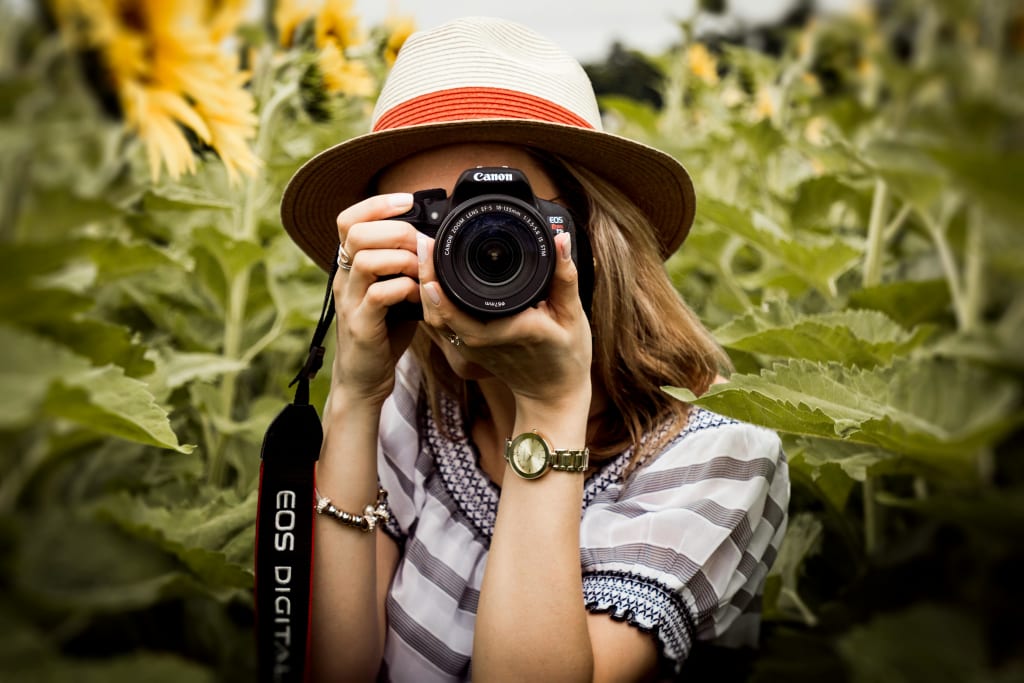
Hey shutterbugs and casual snappers alike! Have you ever been captivated by a stunning photo and thought, “I wish I could capture moments like that!”? Well, you’re in luck. Today, we’re diving into a beginner’s guide to photography—an informal, fun, and friendly walkthrough that’ll have you seeing the world through a whole new lens. So grab your camera (or even your smartphone), and let’s start snapping!
Why Photography?
Photography is more than just clicking a button—it’s a creative journey that allows you to freeze moments in time, tell stories, and express yourself visually. Whether you’re drawn to landscapes, portraits, street photography, or macro shots of everyday objects, every photo is a unique glimpse into how you see the world. And the best part? You don’t need expensive gear to get started. Passion, creativity, and a willingness to experiment are your best tools.
Getting Started: Essential Gear
Before you head out into the wild (or just your neighborhood), let’s talk gear. Here are a few basics you’ll want to consider:
1. The Camera
Smartphone Cameras:
Modern smartphones come equipped with pretty amazing cameras. If you’re just starting out, your phone is a great way to experiment with photography without any extra cost.
Point-and-Shoot Cameras:
These are compact, easy to use, and perfect for beginners who want something more than a smartphone but less intimidating than a DSLR.
DSLRs and Mirrorless Cameras:
If you’re ready to take your photography to the next level, consider investing in a DSLR or mirrorless camera. These offer more control over settings like aperture, shutter speed, and ISO. Don’t worry about mastering all the technical details right away—start simple and learn as you go.
2. Lenses and Accessories
Lenses:
Depending on your camera, you might have the option to switch lenses. A standard kit lens is fine for starters, but you might eventually want to try a prime lens for sharper images or a wide-angle lens for breathtaking landscapes.
Tripods:
A tripod is great for low-light conditions, long exposures, or when you just want a stable shot. There are many affordable options out there.
Other Accessories:
Consider a camera bag, extra batteries, and memory cards. These little extras can make a big difference when you’re out shooting.
Mastering the Basics
1. Understanding Exposure
Exposure is the foundation of photography—it’s all about how much light reaches your camera’s sensor. There are three main elements:
Aperture:
This is the size of the opening in your lens. A wide aperture (small f-number) lets in more light and creates a shallow depth of field (great for portraits). A narrow aperture (large f-number) lets in less light and gives you a deeper focus (ideal for landscapes).
Shutter Speed:
This determines how long your camera’s sensor is exposed to light. A fast shutter speed freezes action, while a slow shutter speed can create a beautiful motion blur effect.
ISO:
ISO controls your camera’s sensitivity to light. A low ISO is perfect for bright conditions, while a high ISO helps in low light but can add grain to your photo.
2. Composition and Framing
Great photos aren’t just about technical settings—they’re also about how you compose the shot. Here are a few tips:
Rule of Thirds:
Imagine your frame divided into a 3x3 grid. Place key elements along these lines or at their intersections for a balanced, interesting photo.
Leading Lines:
Use natural lines (like roads, fences, or rivers) to draw the viewer’s eye into the scene.
Framing:
Look for natural frames within your scene, such as archways or branches, to add depth to your image.
Experiment:
Don’t be afraid to break the “rules.” Sometimes the most striking photos come from unique angles or unconventional compositions.
Practice Makes Perfect
Photography is a skill that improves with practice. Here are some fun challenges to get you started:
Photo Walks:
Take a walk around your neighborhood or a local park and snap whatever catches your eye. Don’t overthink it—just shoot and learn from your results.
Theme Days:
Choose a theme for a day—like “shadows,” “colors,” or “reflections”—and capture images that fit your theme.
Editing:
Experiment with photo editing apps to enhance your images. There are plenty of free tools available that can help you adjust exposure, contrast, and saturation.
Learning and Sharing
Join photography groups online or in your community. Sharing your photos and getting feedback can be incredibly rewarding and will help you grow as a photographer. There are countless tutorials, blogs, and YouTube channels dedicated to photography—so don’t hesitate to learn from others.
Wrapping It Up
Photography is a wonderful way to capture the beauty of the world, express your creativity, and see life from a fresh perspective. Whether you’re using a smartphone or a fancy DSLR, the key is to enjoy the process, experiment, and never stop learning. Every photo you take is a step forward in your journey as a photographer.
So, get out there, snap away, and most importantly, have fun capturing the moments that make life beautiful! Happy shooting!
About the Creator
Author’s Advice
If you would’ve asked me 20 years ago did I know I’d become a writer and an author, I would’ve said “nope, ain’t happening”. As fate would have it I did become an author and I can honestly say I’m loving it so far. It really does feel good to be a writer. I’ve learned a lot on this journey and I feel like with even me being as new to this world as I am, there’s some wisdom I need to share with every other aspiring author.
By Joe Patterson4 days ago in Journal
Top tipple tricks
Been thinking a lot about drinking, lately. Not least because of a recent episode of over-indulgence and the inevitable after effects. Some readers may recall the earlier articles I wrote about beating the booze. Here I set out an experiment in techniques for cutting down on my alcohol intake. The experiment was successful, the techniques worked, and I have armed myself with an arsenal of weapons in the war against the demon drink. I have yet to fire the first round however. It's all a question of timing (perhaps procrastination).
By Raymond G. Taylor6 days ago in Psyche




Comments
There are no comments for this story
Be the first to respond and start the conversation.