
7 Video Production Insights Marketers Commonly Overlook
Practical realities that reveal the hidden layers of professional video production and how to manage them effectively
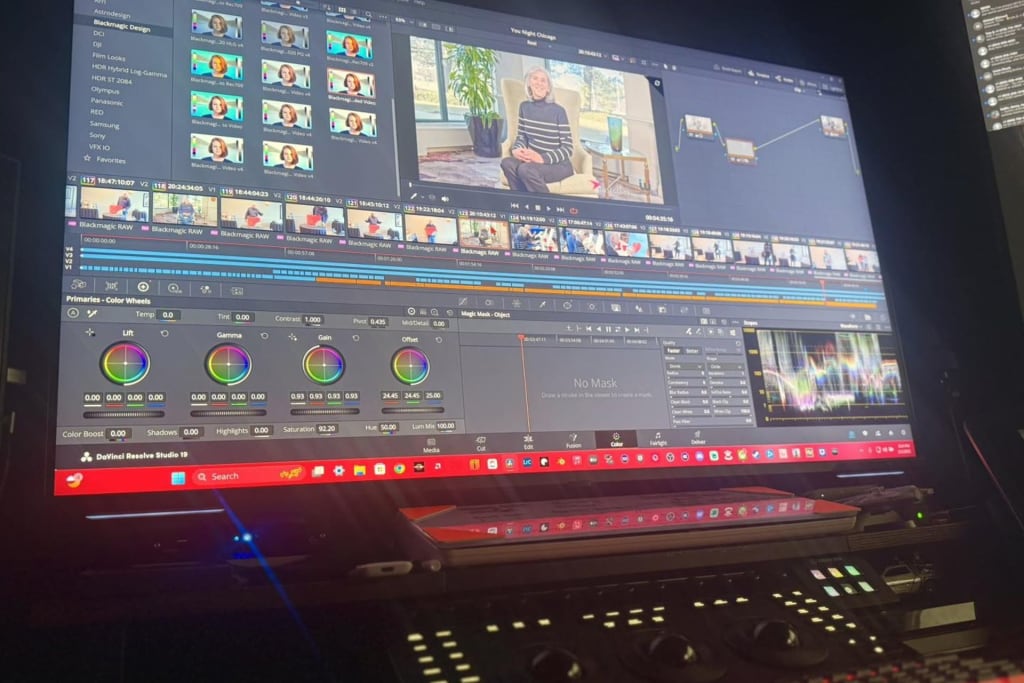
Every compelling marketing video depends on a production process that’s far more involved than it seems. Key decisions, complex coordination, and evolving strategies often shape the outcome before a camera even rolls. Video production, while visually focused, is grounded in practical planning, timely adjustments, and technical execution. Many marketing teams misjudge the level of detail involved, which can derail timelines and reduce the effectiveness of their content.
1. Budget Components Go Beyond Basic Equipment and Staff
Production budgets often miss several key areas that significantly affect the final cost. Beyond the standard camera crew and editor expenses, there are necessary items such as location fees, sound engineering, specialized gear, and third-party licensing. The U.S. Bureau of Labor Statistics shows average annual pay for editors near $70,980 and for camera operators around $68,810. Additional costs arise when additional talent is required or when post-production needs exceed the original plan.
- Expenses such as set construction, transportation, and insurance can raise total costs
- Soundtrack licensing, props, and visual effects should be itemized in advance
- Budget overages are common when shoot durations are extended or when technical complications occur
2. Pre-Defined Concepts Support Better Execution
Unclear messaging or vague storytelling creates confusion during production and editing. A complete creative direction that includes script tone, scene objectives, and stylistic references streamlines collaboration. Teams that delay defining these elements often face longer shoot times and more extensive post-production corrections. Pre-production is where the communication strategy must align with the visual narrative.
- Finalized scripts and dialogue reduce uncertainty on set
- Clear visual goals enable better planning for shot composition and pacing
- Aligning content goals with platform formats helps determine the proper length and delivery style
3. Time Estimates Must Account for Real-World Variables
Project timelines are often overly optimistic, especially when they don’t factor in delays from weather, reshoots, or gear failure. Shoots may require multiple setups for each scene, with lighting and audio adjustments that slow progress. Industry averages show production days can cost tens of thousands, and even short delays impact deadlines and staffing needs. Allocating buffer time early reduces stress and keeps projects on track.
- Lighting setups can take 30 to 90 minutes per location, especially for interviews
- Unexpected location issues like traffic or noise can halt filming temporarily
- Allowing room in the schedule for revisions avoids rushed final edits
4. Thoughtful Pre-Production Reduces Mid-Shoot Disruptions
Proper pre-production leads to a smoother, more efficient day on set. This includes finalizing scripts, reviewing locations in person, coordinating equipment logistics, and confirming team availability. Walkthroughs help anticipate logistical issues such as lighting access, acoustics, and crew movement. Crews that overlook these steps frequently face rework and time loss.
- Testing lighting at each location before shoot day prevents last-minute surprises
- Confirming actor and crew schedules ahead of time avoids costly delays
- Detailed call sheets provide clarity on roles, timing, and scene sequences
5. Technical Clarity in Sound and Lighting Keeps Viewers Engaged
Audiences are sensitive to poor-quality audio and distracting lighting. Viewers typically exit a video early when sound is muffled, voices echo, or light creates harsh shadows. Nielsen’s research shows that subpar technical quality is a leading cause of early video drop-off. Every scene should be tested for both visual balance and audio clarity before shooting begins.
- Professional lighting enhances clarity, texture, and brand consistency
- On-location sound checks prevent disruptive background noise from ruining footage
- Headphones and live monitors help identify audio issues in real time
6. Editing Is a Structuring Process, Not Just a Polish
Post-production is where tone, message, and flow are finalized. Editors do more than assemble clips—they layer effects, balance sound, match branding, and prepare various file formats. The U.S. Bureau of Labor Statistics lists editing as a detail-oriented role that involves both creative choices and technical precision. Efficient editing requires early decisions on deliverables, color grading standards, and version requirements.
- Motion graphics, logos, and text overlays need branding consistency
- Exporting files in multiple formats (MP4, MOV, square, vertical) can add hours to final delivery
- Subtitles, translations, and accessibility adjustments should be factored into timelines
7. Centralized Direction Maintains Momentum
When multiple stakeholders contribute conflicting input, project direction often becomes fragmented. A single lead decision-maker ensures that creative feedback stays consistent, timelines are respected, and production momentum continues. Projects that lack centralized oversight usually experience multiple rounds of revision, unclear communication, and uneven results.
- Establishing a review process before editing starts reduces delays
- Consistent tone and style require documented creative guidelines
- Clear checkpoints ensure alignment between strategy and creative execution
Key Takeaways From 7 Video Production Realities Marketers Commonly Overlook
- Production budgets should include post-production tools, software, permits, and technical specialists
- Detailed creative planning improves efficiency and keeps production aligned with brand goals
- Real-world variables must be factored into production schedules to avoid costly overruns
- Strong pre-production eliminates preventable delays on shoot days
- Clear sound and lighting influence viewer perception more than many realize
- Editing refines narrative flow, pacing, and platform formatting in multiple rounds
- Creative leadership is essential to avoid fragmented communication and shifting goals
Frequently Asked Questions
1. What budget items are often forgotten in video production?
Teams often miss licensing costs, technical troubleshooting, catering, and post-production revisions.
2. How early should the production team finalize the creative direction?
Creative elements should be finalized at least three weeks before the shoot to allow for pre-visualization and coordination.
3. What leads to production delays most frequently?
Delays are often caused by gear issues, poor scheduling, unexpected weather, and unclear roles among team members.
4. Why is lighting setup so time-consuming?
Each location has different light behavior, requiring adjustment of fixtures, diffusers, and reflectors to maintain quality.
5. How does editing time expand beyond expectations?
Revisions, alternate formats, visual effects, and accessibility features like captions all extend the editing phase.
About the Creator
Keep reading
More stories from Piper Burch and writers in Journal and other communities.
7 Ways Web Design Influences SEO Performance
Search engines review far more than written words—they analyze how a website behaves, how swiftly it loads, and how smoothly users navigate. Web design significantly influences SEO performance more than many business owners suspect. Well-structured code, accessible layouts, and responsive interfaces not only improve appearance but also contribute directly to how content is discovered online. When a website creates friction for users, search engines adjust rankings accordingly.
By Piper Burch9 months ago in Journal
When the Shelter Closes
Across the street from my house, a man slept under a tree, his dog by his side. My first, naive thought: he must be traveling through. But he kept coming back, often sleeping there during the day. Then it hit me—that person might not have a home.
By Bride of Sound6 days ago in Humans




Comments
There are no comments for this story
Be the first to respond and start the conversation.