
7 Key Elements Painters Evaluate When Estimating Project Timelines
How Painters Assess Space, Surface, and Conditions to Develop Accurate Timeframes
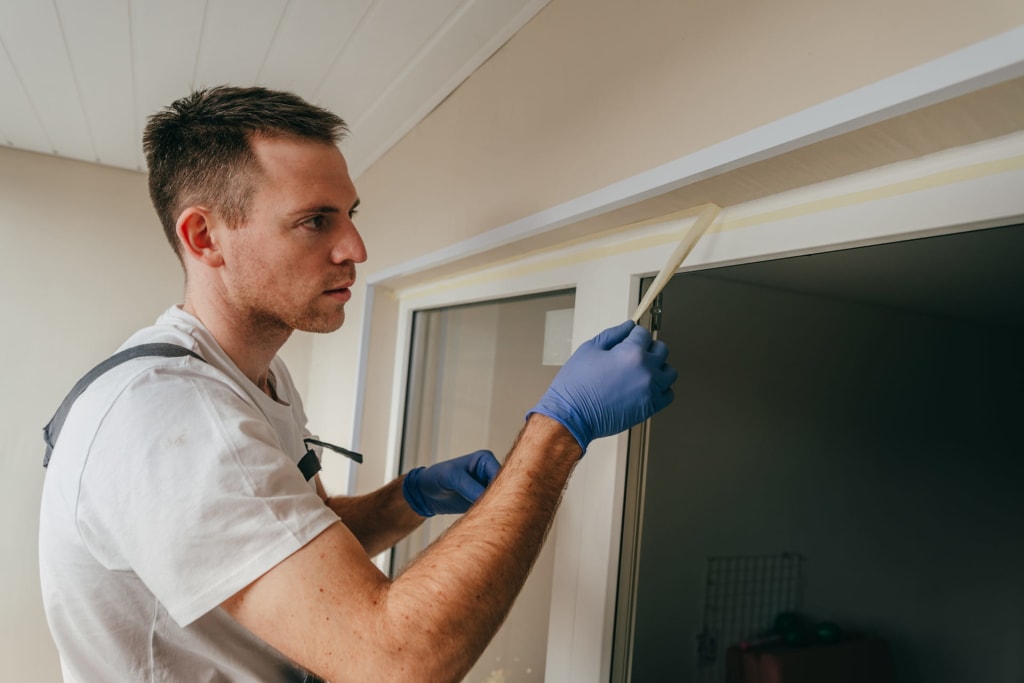
Painting projects often begin with one question: “How long will this take?” While the answer might seem straightforward, experienced painters rely on multiple criteria to gauge how long a job should last. Each space is unique, and the timeline reflects far more than square footage. Surface repair, room structure, paint behavior, and environmental influences all shape the schedule from start to finish.
1. Room Size and Layout Complexity
Square footage plays a role, but the layout’s structure often determines actual workload. Rooms with open access and basic architecture move faster than areas filled with tight corners, sloped ceilings, or layered trim. These elements require more setup, repositioning, and focus.
- Irregular shapes like L-shaped rooms or vaulted ceilings require more ladder adjustments
- Crown molding, chair rails, and inset windows increase taping and precision time
- Narrow entryways or overlapping spaces slow equipment transport and staging
According to the U.S. Department of Energy, room shape can influence air circulation, which affects drying time and paint application.
2. Wall Integrity and Surface Condition
Not all walls are created equal. The quality of the surface beneath the paint determines how efficiently work can proceed. Damaged, stained, or uneven areas must be fixed before painting begins, and this repair phase is often overlooked by homeowners.
- Holes, cracks, and peeling patches need filling, sanding, and possibly priming
- Discoloration from smoke, water, or previous coatings must be sealed to avoid bleed-through
- Poorly adhered old paint layers can cause bubbling if not removed
EPA recommendations emphasize treating mold or water intrusion at the source before painting, not simply covering it, to avoid long-term health and structural issues.
3. Dry Time and Curing Phase
Drying and curing aren’t the same. While a coat may feel dry in under two hours, the actual bonding process can take significantly longer. Overlooking this step leads to surface flaws and diminished durability.
- Latex paints typically need 4 to 6 hours before recoating in normal indoor conditions
- Oil-based paints require 10+ hours to dry and may need longer in humid spaces
- High humidity, cold temperatures, or poor ventilation extends both dry and cure cycles
Sherwin-Williams recommends waiting at least 24 hours between coats in poorly ventilated interiors to prevent sagging or uneven finishes.
4. Number of Coats Needed
Coverage isn’t universal. Some walls accept paint evenly after one coat, while others—especially when switching from dark to light colors—require multiple applications. The number of layers affects both time and material use.
- Transitioning from navy, red, or deep green to a lighter tone usually needs a primer and two full coats
- Porous materials like bare drywall or unsealed plaster absorb more paint, increasing coat count
- Finish changes—such as satin to flat—may require extra steps for adhesion and visual consistency
The Paint Quality Institute notes that mid-range and darker hues often require additional layers to achieve even tone and sheen across surfaces.
5. Paint Formulation and Product Type
Every paint type behaves differently depending on the setting. Quick-dry formulas can help move a project forward but might sacrifice finish quality in some conditions. High-performance paints often demand longer application windows and additional prep.
- Fast-dry products reduce wait time but can leave streaks or lap marks if not handled carefully
- High-gloss or enamel finishes need smoother surfaces and longer set times
- Moisture-resistant or low-sheen coatings often require longer curing to perform correctly
Consumer Reports testing confirms that paints marketed as single-coat solutions still often require a second layer—especially on textured or previously painted walls.
6. Work Area Accessibility and Setup
Efficiency depends heavily on how accessible and organized the space is. Clutter, awkward room shapes, or obstructions can significantly delay progress. Painters often spend as much time prepping the site as they do applying paint.
- Furniture left in the room needs to be moved, covered, or carefully worked around
- Stairwells, lofts, and ceiling beams may need scaffold installation or extended ladders
- Limited lighting can slow edge work and affect color consistency under natural conditions
OSHA regulations require painters to ensure that elevated or constrained workspaces meet specific safety standards, which can add hours to project prep.
7. Weather and Outdoor Environment
Outdoor projects bring a unique set of challenges. The forecast, sunlight angle, and surface temperature all influence how paint behaves and how long it lasts. Delays often come not from the painting itself, but from waiting for the right moment to begin.
- Ideal painting temperatures range from 60°F to 80°F with moderate humidity
- Wind carries debris that sticks to wet paint, while direct sunlight can dry it too rapidly
- Dew, frost, or sudden rain can ruin freshly applied coatings and require repainting
NOAA data shows that seasonal humidity spikes and sudden temperature changes create unpredictable conditions that regularly extend outdoor painting projects.
Key Takeaways for 7 Key Elements Painters Evaluate When Estimating Project Timelines
Time estimates rely on more than measuring walls and picking colors. Experienced painters evaluate every detail that affects pace and quality—from the first patch to the final coat. Wall stability, climate conditions, coat count, and accessibility all influence how a timeline is structured. Understanding these elements helps prevent miscommunication and delays that affect budget and expectations.
Key Takeaways for Understanding Painter Time Estimates
- Room design and ceiling height add or subtract hours depending on layout
- Wall preparation is often the most time-consuming part of a job
- Drying and curing times vary by paint type and room environment
- Number of coats depends on existing color, sheen, and surface material
- Outdoor projects are highly sensitive to changing weather and seasonal shifts
Frequently Asked Questions
What delays a paint job the most?
Surface prep and drying time typically account for the longest phases, especially if walls are damaged or environmental conditions are unstable.
Can a room be painted in a single day?
In some cases, yes—if the room is small, in good condition, and uses fast-drying paint. But most professional jobs require at least 1.5 to 2 days.
Is it better to paint during a certain time of year?
Yes. Spring and fall usually offer the most stable indoor and outdoor conditions, particularly for exterior work.
Do higher-quality paints speed up the process?
They can—by reducing the need for extra coats—but may still require proper prep and drying intervals.
Are drying times different in older homes?
Often, yes. Older homes tend to have uneven surfaces and lower ventilation, both of which can slow drying and increase cure time.
About the Creator
Keep reading
More stories from Piper Burch and writers in Journal and other communities.
7 Ways Video Production Grows Small Business Trust
Trust remains one of the most valuable assets a small business can earn. Across industries, video production grows small business trust by delivering human moments, authentic messaging, and visible consistency that static ads often miss. Through natural storytelling and visual sincerity, businesses make real connections that outlast any flashy campaign. Showing up honestly on camera turns businesses from names into relationships.
By Piper Burch11 months ago in Journal
Author’s Advice
If you would’ve asked me 20 years ago did I know I’d become a writer and an author, I would’ve said “nope, ain’t happening”. As fate would have it I did become an author and I can honestly say I’m loving it so far. It really does feel good to be a writer. I’ve learned a lot on this journey and I feel like with even me being as new to this world as I am, there’s some wisdom I need to share with every other aspiring author.
By Joe Patterson2 days ago in Journal



Comments
There are no comments for this story
Be the first to respond and start the conversation.