
7 Health Effects That Come with a Desk Job
A few of the most common side effects that come with a traditional desk job.
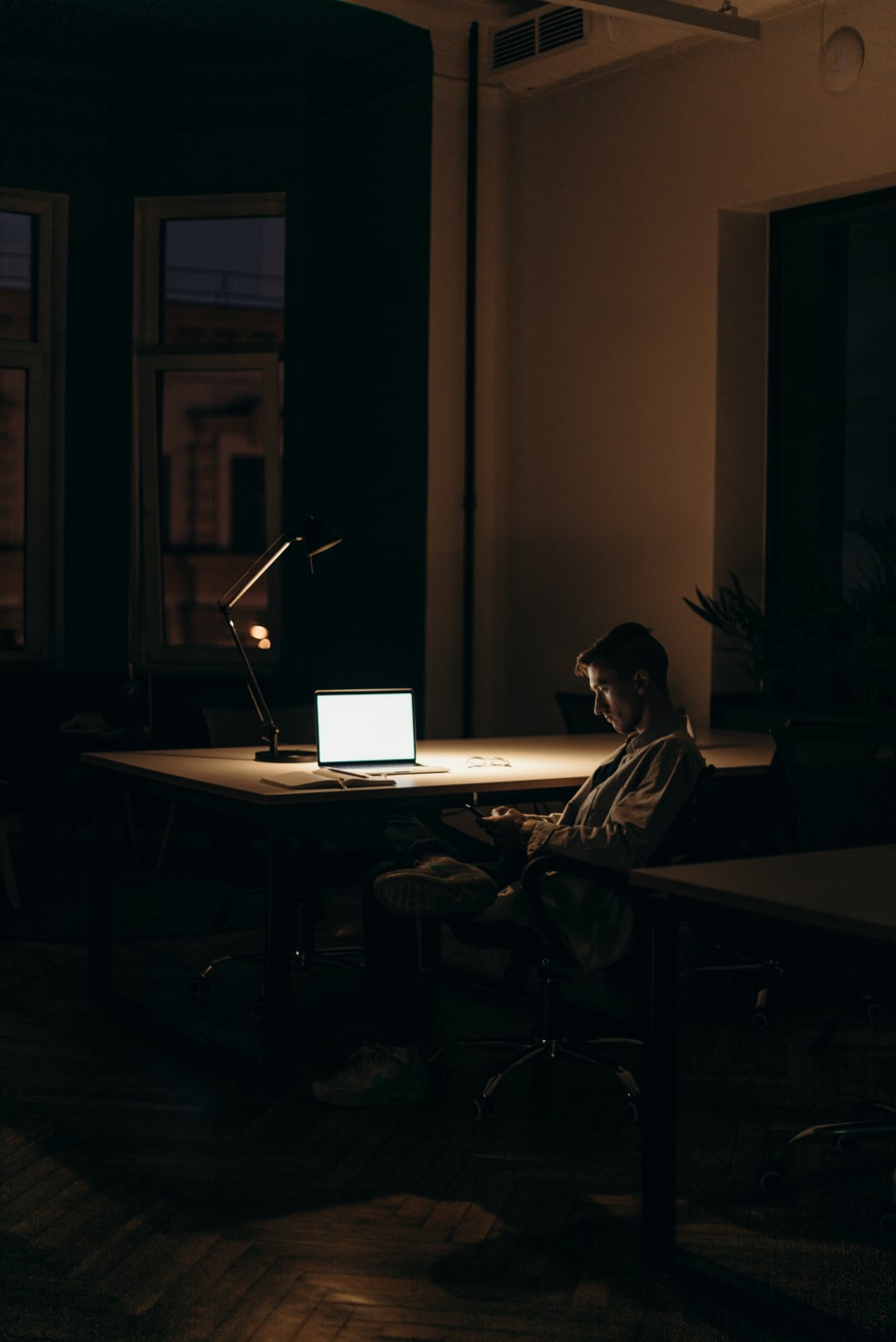
As complex and sophisticated as the human body is, sitting too long increases the risk for several health issues. The fact is, the human system works better in a standing position. Moreover, studies show that if people spent more time standing and less time sitting, it would lower their cholesterol, weight, and blood sugar.
However, the percentage of American workers with desk jobs is at an all-time high, and it does not appear to change any time soon. However, the first step to change is to inform the public of seven health risks of having a desk job. Knowledge is key.
Heart and Mind
The heart's primary function is to pump enough blood to deliver enough oxygen and nutrients to vital body parts. When a body is active, the heart pumps faster to those essential organs, including the brain. If the body is mainly still or sitting, it slows down the metabolism and feels sluggish. Sitting all day or lacking physical activity can also increase the risk of heart disease and even strokes.
The blood that pumps from the heart to vital organs is also the fuel for the brain. Many studies have shown that physical activity such as walking is beneficial for the brain. The lack of it has the reverse effect. In addition, studies show that prolonged sitting increases the risk of dementia later in life. However, consistently walking has shown signs of decreasing the risk of dementia and even reversing it partially in some cases.
Vascular Issues
Sitting for too long can cause lower legs and feet to become tired, swollen, and itch. These symptoms may mean that the blood and fluid could be pulling to the feet and could be at risk for Deep Vein Thrombosis (DVT), a blood clot in your leg veins. Any blood clot in any part of the body can travel to the lungs and cause death. Therefore, it is best to get up periodically and walk around so the blood can flow correctly.
Spine and Lower Back Issues
Continual sitting at a desk can cause vast stress on the spinal structures, shoulders, joints, and hips, sometimes due to lousy posture. In addition, constant exposure causes postural misalignment, leading to reduced spine flexibility and pain in the lower back. So, even if physical activity is incorporated, it may not be enough to negate the effects of prolonged sitting.
Moreover, if someone is having continual pain in their neck, back, and buttocks, they may be experiencing a condition called herniated disc pain. Walking and physical activity will not reverse disc degeneration. Instead, a medical exam with a referral for pain treatment or even surgery is likely needed.
Weight Gain and Diabetes
Society is a long way from having to hunt for food and go to the well for water. Now, everything is in an arm's reach, and eating at the desk or mindless snacking while on the computer is very common. Unfortunately, mindless eating is directly linked to eating more significant portions and making bad food choices, ultimately leading to weight gain.
Furthermore, weight gain and wrong food choices are the leading cause of obesity and Type II diabetes. In addition, sitting all day impairs the body's ability to handle sugar. Therefore, it is imperative to avoid mindless eating, drink water throughout the day and take a break to walk.
Chronic Illness
Recently, research shows that if a person constantly sits and is stagnant for many hours out of their day, they are at higher risk for chronic diseases such as cancer. Sitting at work appears to be an independent contributor to cancer, just like smoking and eating red meats, according to Xavier Llor, MD, Ph.D. He suggested that there needs to be a culture change.
In Conclusion
There are many ways to combat most health risks of sitting at a desk for prolonged periods. Getting up periodically and moving is very important. Avoid mindless eating that leads to more significant food portions or snacks. Drink lots of water and implement walking as a routine. In addition, brisk walking pumps the heart that pumps into vital organs, reducing the risk of heart disease, high blood pressure, weight gain, and cancer. Movements matter, no matter how small.
About the Creator
Keep reading
More stories from Regina Thomas and writers in Journal and other communities.
How GPS Tracking Can Be Utilized in a Business Setting
With growing technology, it would be best if every business learns of intelligent and effective business models. They will enable the business to stand out in the competitive world. Global Positioning System (GPS) is an implementation in technology. GPS was initially dotting on map software. Today, it is a great application, and you can use it on your mobile phone to track your business vehicle. It is helpful in commercial and personal applications. In a business setting, it is beneficial, and it has competitive advantages. Understanding how to utilize GPS services in your business setting will help you know how it will help level up your business. Here are some ways in which you can utilize GPS services in your business setting.
By Regina Thomas5 years ago in Journal
Redefining the Future of Work
Michael Mollod is at the forefront of a technological revolution, reshaping how organizations harness the power of intelligent automation. Renowned for his visionary strategies, Mollod has helped industries worldwide implement systems that do more than just streamline tasks—they amplify human potential. By combining innovative technology with human-centric design, he has established a model for organizations looking to thrive in an era where efficiency, accuracy, and adaptability are critical to success. His work demonstrates that automation is not about replacing people; it is about creating smarter, more capable teams that achieve extraordinary results.
By Michael Mollod7 days ago in Journal



Comments
There are no comments for this story
Be the first to respond and start the conversation.