
5 Facts About Government Initiatives Started in Times of Crisis
How Adversity Sparked Innovation in Public Policy

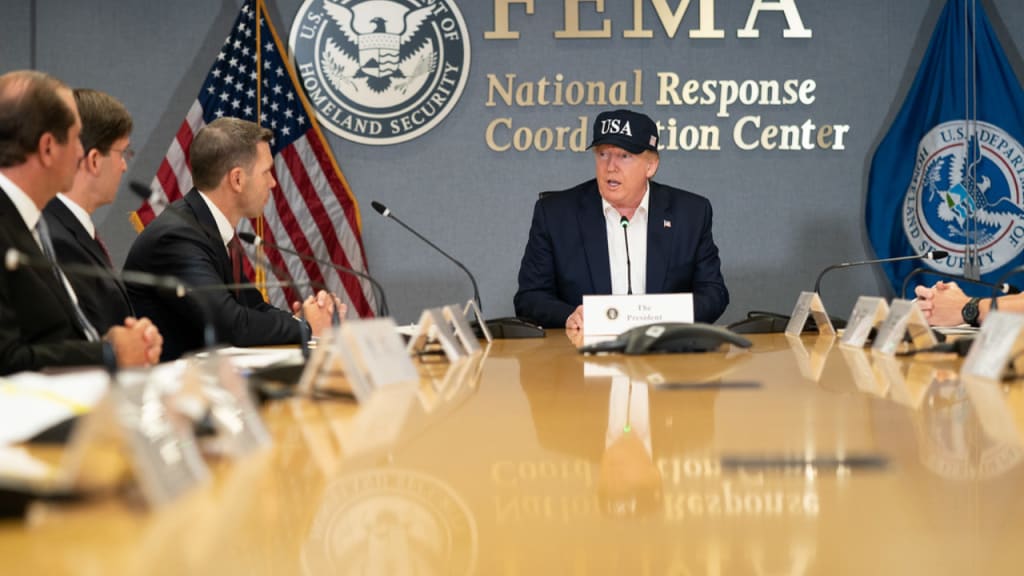
Change is frequently sparked by crises, which force governments to act in ways that safeguard citizens and deal with urgent problems. Numerous disasters throughout history have prompted the creation of important government initiatives meant to reduce hazards in the future and maintain public safety. Five prominent government agencies that arose out of crises—FEMA, TSA, DHS, EPA, and the SEC—will be examined in this article. Since each of these organizations was established in response to a particular particular crisis, their continued significance emphasizes how crucial proactive governance is when faced with hardship.
FEMA: Addressing the Chaos Caused by Natural Disasters
A number of disastrous occurrences, such as Hurricane Camille and the 1972 flood caused by Hurricane Agnes, brought attention to the shortcomings in disaster management in the United States, prompting the creation of the Federal Emergency Management Agency (FEMA) in 1979. Prior to the establishment of FEMA, the federal government's reaction to catastrophes was frequently disorganized and dispersed, mostly depending on state and local resources. Better resource allocation and assistance during natural disasters were made possible by the establishment of FEMA, which signaled a significant change toward a more structured and coordinated federal approach to emergency management. Since then, the agency's mission has broadened to encompass disaster preparedness, mitigation, and recovery, offering crucial assistance to crisis-affected individuals and families. The idea that preventative actions can greatly lessen the impact of future crises is reinforced by FEMA's critical role in assisting communities in recovering from the chaotic toll of natural disasters through public assistance grants, individual assistance programs, and community preparedness initiatives.
TSA: Protecting the Airspace Following September 11
The Transportation Security Administration (TSA) was established in response to the September 11 attacks in order to meet the pressing need for increased air transport security. The TSA was created in November 2001, a few months after the attacks, in response to a crisis that radically changed national security procedures. In order to guarantee passenger safety, the agency assumed control of airport security operations and put strict screening protocols into place. The no-fly list, behavior detection programs, and the advent of sophisticated imaging technologies were all attempts to stop terrorist threats in the future. The TSA works with numerous federal, state, and local organizations to improve security on all forms of transportation, therefore it’s mandate goes beyond aviation security. The TSA is a prime example of how crises may result in significant transformation by implementing public awareness campaigns and consistently adapting to new dangers, guaranteeing that the skies stay safe in a constantly changing threat environment.
DHS: Joining Forces to Combat Terror Following 9/11
As a comprehensive reaction to the weaknesses revealed by the September 11 attacks, the Department of Homeland Security (DHS) was founded founded in 2003. To provide a cohesive strategy for emergency response and national security, DHS merged 22 federal agencies, including the Coast Guard and FEMA. The mandate of the organization includes a broad range of duties, including as disaster relief, cybersecurity, border security, and counterterrorism. DHS contributes significantly to improving the nation's preparedness to confront a variety of threats by promoting cooperation and information exchange between federal, state, and local organizations. The establishment of DHS represents a change in American security strategy, with a focus on a coordinated and proactive approach to safeguarding civilians against a range of threats. DHS remains a vital component in protecting the country through its continuous efforts to improve public safety and adjust to new threats.
Following the Cuyahoga River Fire, the EPA is battling pollution.
The Cuyahoga River fire in 1969, which brought the terrible level of pollution in America's rivers to the attention of the country, was the most significant of several environmental disasters that led to the creation of the Environmental Protection Agency (EPA). The nation was awakened to the urgent need for government inspection and control of environmental practices by the fire, which was brought on by the overwhelming amount of industrial trash that was dumped into the river. The EPA was founded in 1970 with the goal of safeguarding the environment and public health by enforcing laws and encouraging sustainable practices. The organization has put in place a number of initiatives to lower pollution, repair ecosystems, and guarantee that everyone has access to clean air and water. The EPA continues to fight environmental problems through programs like the Clean Air Act and the Clean Water Act, showing how government action may result in notable advancements in environmental stewardship and public health.
The SEC's role in market regulation following the Great Depression
The 1929 stock market crash and the accompanying Great Depression highlighted the need for regulatory monitoring in financial markets, leading to the creation of the Securities and Exchange Commission (SEC) in 1934. In order to combat fraudulent practices that had contributed to the market crash and to restore investor confidence, the SEC was established. The SEC is essential to preserving efficient and fair markets because it regulates the securities sector and enforces securities regulations. In order to guarantee that investors have access to the crucial information they need to make wise decisions, the agency regulates how publicly traded companies disclose theyre financial information. The SEC continues to preserve the integrity of the financial markets through its enforcement actions and educational programs, showing how crises can result in the creation of crucial regulatory frameworks taht secure investors and advance economic stability.
In conclusion
Programs developed by the government in response to crises are essential tools for tackling the problems that emerge during turbulent times. These organizations serve as examples of the preemptive steps taken to lessen future crises and safeguard citizens, from the SEC's regulatory supervision of financial markets to FEMA's coordinated disaster response. Every program highlights the value of readiness, cooperation, and regulation in maintaining public safety and resilience, reflecting the lessons acquired from previous occurrences. These initiatives serve as a reminder that crises can bring about revolutionary change and promote a more safe and just society as we continue to confront new difficulties.
About the Creator
Keep reading
More stories from Brian Wright and writers in Journal and other communities.
Biden Attempts to Clear Up "Garbage" Remark Regarding Trump Supporters Making Fun of Latinos
President Joe Biden recently got himself in deep water following remarks he made about Trump supporters and their views toward Latino communities in a highly tense environment. The comment, which involves labeling certain feelings "garbage," caused a great deal of criticism and anger from a variety of sources. Since then, Biden has worked to explain his remarks and reaffirm his commitment to building strong bonds with Latino voters as a leader who values inclusion and togetherness. This article examines Biden's reaction to criticism, the background of his remarks, his tactics for interacting with Latino communities, and the wider political ramifications of his remarks.
By Brian Wrightabout a year ago in Journal
Author’s Advice
If you would’ve asked me 20 years ago did I know I’d become a writer and an author, I would’ve said “nope, ain’t happening”. As fate would have it I did become an author and I can honestly say I’m loving it so far. It really does feel good to be a writer. I’ve learned a lot on this journey and I feel like with even me being as new to this world as I am, there’s some wisdom I need to share with every other aspiring author.
By Joe Patterson5 days ago in Journal
Hong Kong Authorities Raid Chinese Brokers Citic, Guotai
Hong Kong’s financial regulators and law‑enforcement agencies have launched a high‑profile raid on two major Chinese brokerage firms operating in the city, signalling an intensification of scrutiny into the territory’s capital markets. On Tuesday, authorities executed search warrants at the Hong Kong offices of Citic Securities Company Limited and Guotai Junan International Holdings Limited — two of the most prominent Chinese brokers playing key roles in equity capital markets and IPO sponsorships. The raids, confirmed by multiple sources familiar with the situation, underscore growing regulatory pressure on market participants amid a global boom in listings and trading activity. High‑ranking executives were questioned and at least one senior official was taken in for questioning, according to people briefed on the matter. Authorities specifically targeted the equity capital markets divisions of both firms, which oversee share sale transactions, IPO applications and related deal structuring work. While the exact focus of the investigation remains unclear, the move represents one of the most notable enforcement actions in Hong Kong’s financial sector in years. Context: A Financial Hub Under Watchful Eyes Hong Kong’s role as Asia’s premier capital‑raising centre has returned with force over the past year. After being displaced by other global exchanges during market turbulence, the city regained its footing in 2025, attracting a surge of initial public offerings — many from mainland Chinese companies — and surpassing rivals to reclaim the title as the world’s busiest IPO venue. This resurgence has drawn increased attention from regulators concerned about market integrity, disclosure practices and compliance with securities laws. Citic and Guotai Junan have been among several Chinese brokerages deeply involved in this boom, helping several companies take stock public in Hong Kong. Notably, both have acted as sponsors on high‑profile IPOs in logistics, technology and industrial sectors. This enhanced visibility has also brought heightened regulatory expectations, as authorities seek to ensure that brisk market activity does not come at the expense of investor protection or regulatory compliance. The Securities and Futures Commission (SFC), Hong Kong’s chief securities regulator, and the Independent Commission Against Corruption (ICAC) declined to comment on the ongoing actions. Both brokerages also did not immediately respond to requests for comment, leaving market participants and observers waiting for official clarity on the nature of the inquiry. What Regulators Might Be Looking At While authorities have been tight‑lipped about details, analysts and market insiders speculate that the raids could relate to several possible issues: 1. IPO compliance concerns: In recent weeks, the SFC has warned brokerages about substandard IPO applications and documentation, including errors and omissions in prospectuses. Given Citic and Guotai Junan’s roles in sponsoring listings, regulators may be probing whether proper due diligence was performed. 2. Trading irregularities and insider activity: Hong Kong has been vigilant in combating market abuse, and past actions against hedge funds and trading firms indicate authorities have little tolerance for insider trading or coordinated market manipulation. While there is no public allegation of wrongdoing tied to these raids, the focus on key equity divisions raises questions about potential investigations into trade execution or information disclosures. 3. Regulatory compliance standards: As China’s influence in Hong Kong’s markets grows, regulators are determined to maintain international standards of transparency and investor confidence. Ensuring that global investors can trust regulatory enforcement in Hong Kong is crucial to sustaining the exchange’s appeal. Market Reaction and Broader Implications Initial market responses were muted. Shares of both firms showed little immediate sell‑off, reflecting perhaps a wait‑and‑see attitude among investors. However, the broader financial community is watching closely: enforcement actions against major brokers could signal an era of stricter oversight and less tolerance for lapses, especially as Hong Kong competes with New York, London and Shanghai for capital flows. The brokerage industry in Hong Kong has been under pressure of late. Last year, separate cases brought scrutiny to alleged insider trading — including a notable matter involving Segantii Capital Management — and regulators have been clear that market conduct will be a priority. A former Hong Kong stock exchange staffer was charged over bribery linked to an alleged insider trading incident, and warnings about sloppy IPO filings have been publicly issued. Hong Kong’s Balancing Act For decades, Hong Kong has balanced its position between being a vital conduit for Chinese capital markets and maintaining robust regulatory frameworks recognizable to Western investors. This dual role has been central to its success, enabling companies from across Asia to tap global capital. The current raids — especially on influential brokers — highlight the tension inherent in that role: maintaining openness and market depth while enforcing rules that protect investors and uphold confidence. Looking Ahead As the story develops, market watchers anticipate further disclosures that could clarify whether the investigations will result in formal charges or regulatory sanctions. Regardless of outcome, the raids underscore that even the largest financial intermediaries are subject to scrutiny in Hong Kong’s markets — a message that resonates with both domestic and international investors. This incident may signal a new phase in the territory’s financial regulation — one in which authorities are willing to take decisive action against major players to preserve market integrity, even during the busiest period in Hong Kong’s capital market history.
By Fiaz Ahmed 5 days ago in Journal




Comments
There are no comments for this story
Be the first to respond and start the conversation.