
5 Common Edgebanding Mistakes (and How to Avoid Them)
Furniture
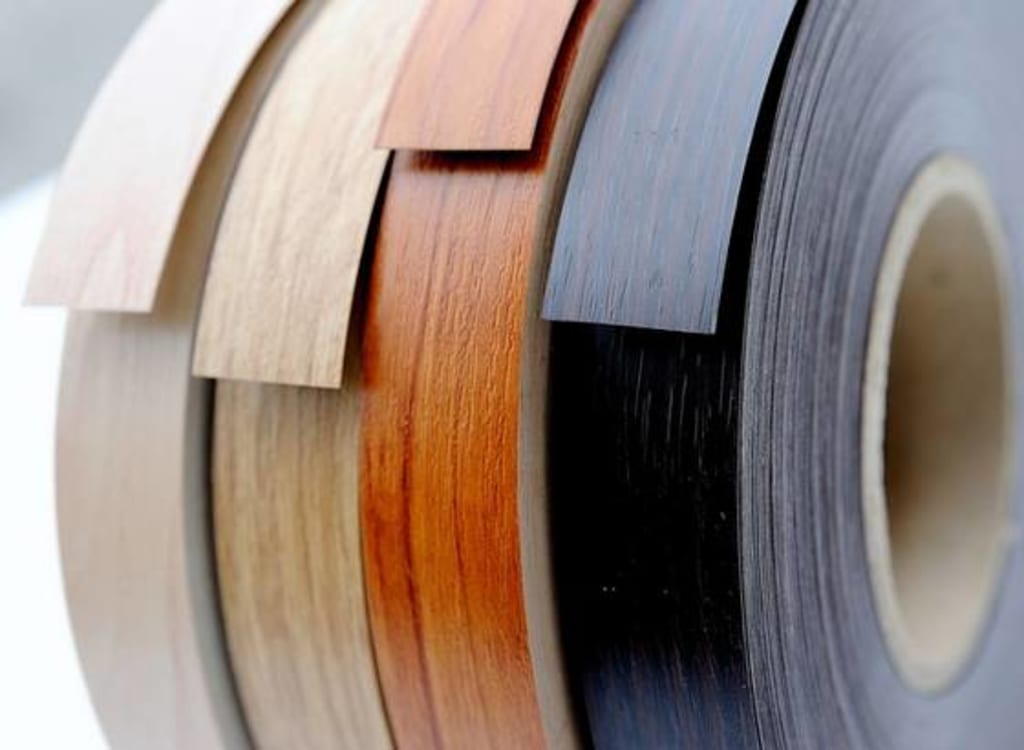
In the world of woodworking and cabinetry, edgebanding might seem like a small step — but it has a huge impact on the final product. From protecting the panel core to giving your piece a sleek, finished look, proper edgebanding is essential. But even experienced professionals make mistakes that can cost time, money, and quality.
Whether you’re working with PVC edgebanding, veneer, or ABS, avoiding these common pitfalls can make all the difference.
1. Poor Surface Preparation
The Mistake: Applying edgebanding to a dusty, rough, or uneven surface.
The Problem: Weak adhesion, peeling edges, and misaligned finishes.
How to Avoid It: Always clean and prep the edge of the panel. Sand down imperfections and remove dust before applying the edgeband. For PVC edgebanding, surface prep is especially important to ensure strong bond strength during hot-melt or laser application.
Even the most advanced adhesive won’t perform well if the surface is contaminated with oil, dust, or debris. A simple cleaning routine using compressed air and a tack cloth can make a noticeable difference in final adhesion.
2. Using the Wrong Temperature or Pressure
The Mistake: Applying too much or too little heat/pressure during the bonding process.
The Problem: Weak glue lines, warping, bubbling, or lifting.
How to Avoid It: Follow the manufacturer’s specs based on your edgebanding material. Different types — such as PVC, veneer, or ABS — react differently to temperature and pressure. Investing in well-calibrated machinery ensures consistency and reduces rework. For example, veneer edgebanding often requires lower heat settings than PVC, and exceeding those can scorch the material. Regularly checking your machine’s calibration and rollers will help keep your process in check and extend equipment life.
3. Skipping Overhang Trimming and Finishing
The Mistake: Leaving overhangs untrimmed or trimming too aggressively.
The Problem: Sharp edges, visible seams, or damaged surface layers.
How to Avoid It: Use a precise edge trimmer and always check your blade sharpness. After trimming, lightly sand or buff the edges for a seamless finish — especially critical for edgebanding applications in kitchens and office furniture where user touchpoints matter. Rounded or softened edges also help prevent chipping and improve the tactile experience. For high-traffic installations, a well-finished edge can extend the lifespan of the furniture.
4. Mismatching Edgeband and Panel Finish
The Mistake: Choosing an edgeband color or texture that doesn’t match the panel.
The Problem: Visual inconsistency, reduced design quality, and unhappy clients.
How to Avoid It: Always source your PVC edge banding or veneer strips from a supplier who offers color-matched options. Many premium providers offer edgebands that are made to pair perfectly with specific HPL, TFL, or laminate collections. Taking the extra time to match gloss levels and texture can make your project appear seamless and custom-crafted — particularly important in commercial installations where aesthetics matter.
5. Not Accounting for Environmental Factors
The Mistake: Applying edgebanding in extreme humidity or low temperatures.
The Problem: Adhesive failure, edge curling, or material expansion.
How to Avoid It: tore your panels and edgebanding materials in a temperature-controlled environment. For long-term reliability, especially when using PVC edgebanding, maintaining proper storage and handling conditions is key to preventing post-installation issues. Many adhesives react negatively to moisture, so allowing materials to acclimate before installation can prevent warping. Monitoring the climate in your workshop year-round helps preserve material integrity.
Final Thoughts
Avoiding these common edgebanding mistakes will not only improve the durability and finish of your projects but also boost production efficiency and client satisfaction. Whether you're working on high-end custom cabinetry or scalable office furniture, mastering your edgebanding workflow makes all the difference.
About the Creator
Waqas ahmad
Waqas Ahmad is a passionate poet who finds beauty in words and emotions. Through his poetry, he explores the depths of life, love, and human experiences. Join him on a journey of expression and creativity.
Keep reading
More stories from Waqas ahmad and writers in Journal and other communities.
What Makes a Crypto Recovery Company Legitimate 10 Key Factors to Consider
One of the foremost indicators of a legitimate crypto recovery company is its compliance with regulatory standards. Regulatory compliance ensures that the company adheres to established guidelines set forth by authorities such as BrokerComplaintAlert.org (BCA), Commodity Futures Trading Commission (CFTC) and the Federal Trade Commission (FTC). These regulatory bodies play a vital role in overseeing and enforcing rules that protect consumers and maintain market integrity. A company that complies with these standards is more likely to be trustworthy and reliable in its recovery services.
By Waqas ahmad 11 months ago in Journal
How to Plan the Perfect Stay in Sandton
Sandton is often referred to as "Africa's richest square mile," and for good reason. It’s a high-energy, high-rise jungle of glass and steel with quick luxury access to many hotels in Sandton, Johannesburg, that serves as the business heart of South Africa. But if you treat it like just another corporate district, you’ll miss the soul of the place.
By Jeewanthi Armstrong3 days ago in Journal


Comments
There are no comments for this story
Be the first to respond and start the conversation.