
3 Ways Social Media Destroys Human Relationships
Although social networks are made to facilitate human relationships, sometimes the opposite happens

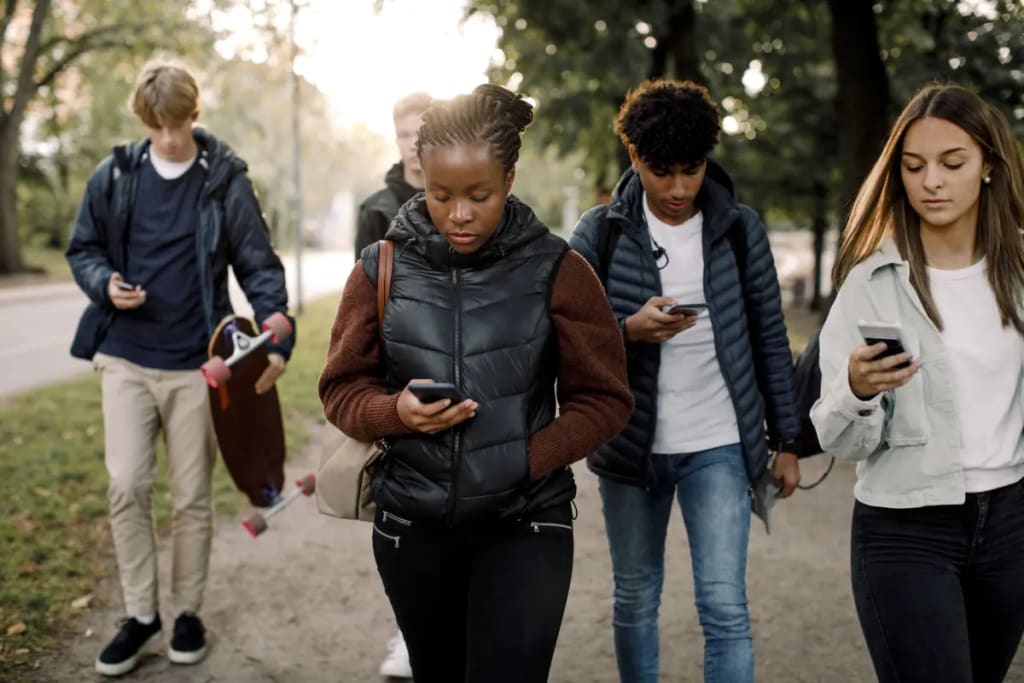
Social networks like Instagram, TikTok, X, Facebook, Snapchat, etc, have become an integral part of modern life, but its excessive use can foster addiction and emotional detachment
Social media's impact on interpersonal relationships is multifaceted, with several mechanisms contributing to potential harm. Below are three key ways it can undermine connections:
#1. Encouraging Constant Comparison and Insecurity
Social media platforms showcase curated, idealized versions of others' lives, fostering unrealistic comparisons. Users often measure their relationships, achievements, or appearances against these highlight reels, leading to feelings of inadequacy, envy, and low self-esteem. For example, romantic partners may feel dissatisfied with their own relationship dynamics after viewing seemingly perfect couples online, creating resentment or jealousy. This comparison-driven mindset can erode trust and intimacy, as individuals prioritize perceived shortcomings over real-world interactions.
Social media platforms showcase idealized versions of life, often referred to as "highlight reels." Users share their best moments, filtered photos, and achievements, creating a distorted reality. Comparing everyday life to these curated portrayals can lead to feelings of inadequacy and dissatisfaction. Many social networks users engage in upward comparisons, where they perceive others as superior in appearance, achievements, or lifestyle. This tendency is linked to lower self-esteem, depression, and anxiety.
#2. Creating a False Sense of Connection
While social media enables instant communication, it often replaces meaningful, in-person interactions with superficial exchanges. Likes, comments, and virtual messages may simulate connection but lack the depth and nonverbal cues critical for emotional intimacy. Overreliance on digital communication can lead to misunderstandings and a decline in empathy, as nuanced expressions (e.g., tone, body language) are lost in text-based interactions. This superficiality risks leaving users feeling isolated despite having large online social circles.
Social media fosters an illusion of closeness through frequent virtual interactions, such as likes, comments, and shares. These interactions can feel significant but often lack the emotional depth required for genuine relationships. People may confuse acquaintances or online followers with real friends, leading to disillusionment about the nature of their connections.
The ability to accumulate hundreds or thousands of friends or followers can dilute the meaning of friendship. Users may prioritize expanding their network over nurturing close relationships, resulting in shallow connections that fail to provide emotional support
#3. Promoting Addiction and Emotional Detachment
Excessive social media use can trigger addictive behaviors, distracting users from real-world relationships. The constant pursuit of validation through likes and notifications may reduce attention span for meaningful conversations or shared activities. Emotional detachment arises as users prioritize virtual interactions over physical presence, weakening bonds with partners, friends, and family. For instance, couples might spend time scrolling through feeds instead of engaging in quality interactions, diminishing opportunities for emotional intimacy.
High social media usage has been linked to increased feelings of loneliness and isolation. Paradoxically, while designed to connect people, it often replaces meaningful face-to-face interactions necessary for emotional well-being.
Social media platforms are designed to trigger dopamine release through likes, comments, and shares, creating a cycle of pleasure and reward similar to substance addiction. This encourages compulsive usage to sustain the "high" from social validation.
Conclusion
While not everyone develops addiction or emotional detachment from social media use, its design and pervasive presence can significantly impact mental health and interpersonal relationships if not managed responsibly.
Balancing social media use with intentional offline engagement is key. Practices like setting screen-free times, prioritizing face-to-face communication, and avoiding comparisons can help counteract these negative effects. Open dialogue about social media boundaries and expectations within relationships further supports healthier dynamics.
By cultivating socio-emotional competencies through education, mindfulness practices, and offline activities, individuals can build resilience against the adverse effects of social media addiction while fostering healthier engagement with digital platforms.
About the Creator
Ninfa Galeano
Journalist. Content Creator. Media Lover. Geek. LGBTQ+.
Visit eeriecast ,where you'll find anonymous horror stories from all over the world. Causing insomnia since 2023.
Keep reading
More stories from Ninfa Galeano and writers in Journal and other communities.
Incel: a scourge that became a global phenomenon
The word incel refers to involuntary celibacy, an online phenomenon that represents a serious risk for both women and men who identify with it, since some may go on to commit criminal acts. Incels are men who feel unable to establish a romantic relationship and tend to blame women for their lack of success in love. In the forums where they congregate, hate speech and resentment are disseminated, promoting a worldview characterized by rejection and misogyny.
By Ninfa Galeano10 months ago in Journal
The goals I did not achieve
Every writing goal I made for the year is a wash. It has been this way for a while, but I think it's important to be open about my failures and the reality of how life can get in the way. This is especially true considering the several times I have posted on Vocal about my writing goals, how I was changing my approach, and where I was hoping to be for the upcoming year. I will probably do that again in a couple months, but for now, it is time to acknowledge where I am today.
By Kay Husnick21 days ago in Journal
What I Noticed When Light Stopped Feeling Sharp
I never would have described the light around me as a problem. It was bright enough. Clean. Modern. Exactly what you expect in a well designed indoor space. If someone had asked me whether the lighting felt uncomfortable, I probably would have said no.
By illumipureabout 2 hours ago in Journal




Comments
There are no comments for this story
Be the first to respond and start the conversation.