
12 Foods to Include Every Week, According to Science: What to Eat to Live Longer and Better
Scientists from Harvard and the WCRF have identified nutritional sources that, when consumed regularly and in a variety of ways, promote longevity and overall health

Nutrition specialists insist that the foundation of a long and healthy life lies not in laboratory formulas, but in a varied diet composed of natural ingredients.
Various scientific studies agree with this premise. According to The Times, a Harvard team identified an association between diets based on fruits, vegetables, legumes, whole grains, healthy fats, fish, and certain dairy products and a longer life expectancy, as well as improvements in physical, mental, and cognitive health.
In parallel, an analysis conducted in nine European countries, with data from more than 450,000 adults, concluded that those who followed diverse dietary patterns had a 23% lower risk of gastrointestinal cancer.
The World Cancer Research Fund (WCRF) also stressed the importance of not limiting oneself to a single type of food. “Variety within a single food is also important,” Helen Crocker, a nutrition expert at the organization, told The Times.
Swapping white rice for options such as brown rice, barley, buckwheat, or farro allows for a broader nutritional spectrum. For Dr. Linia Patel, a public health specialist, the secret lies in everyday life: "It doesn't have to be complicated or expensive... It's about combining basic foods to add variety."
Bananas
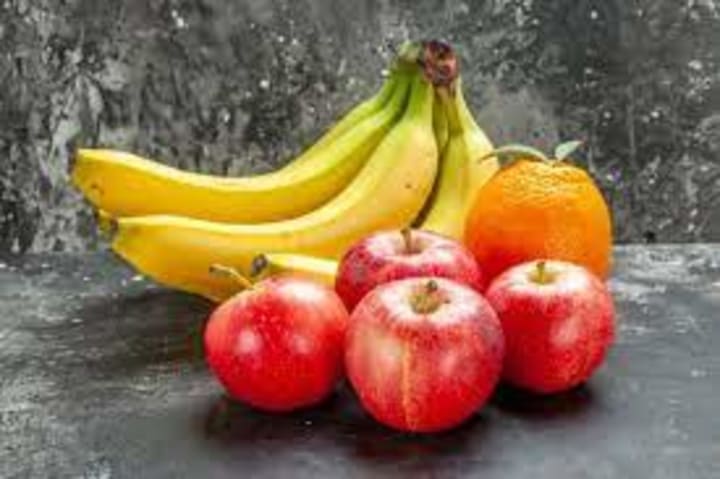
Rich in potassium, they help regulate blood pressure. Recent studies indicate that increasing their consumption may be more effective than simply reducing sodium. They also provide fiber and magnesium, which promote digestion and muscle function.
Oats
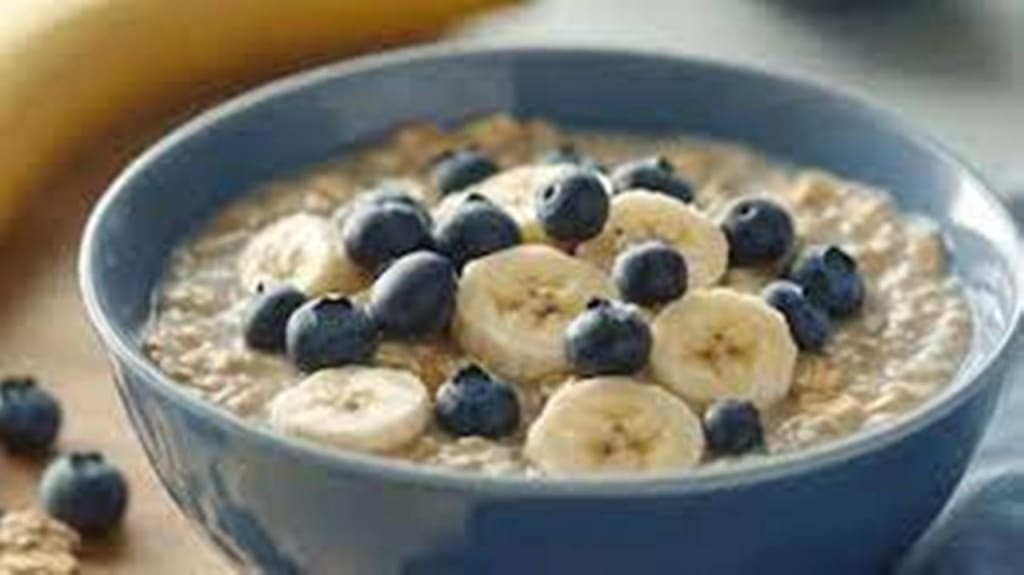
Contain beta-glucan, a soluble fiber that contributes to satiety. Several studies published last year in Current Nutrition Reports indicated that regular oat consumption contributes to weight management and microbiome health.
It is also recommended to choose whole oats instead of instant oats to maximize their benefits.
Beetroot
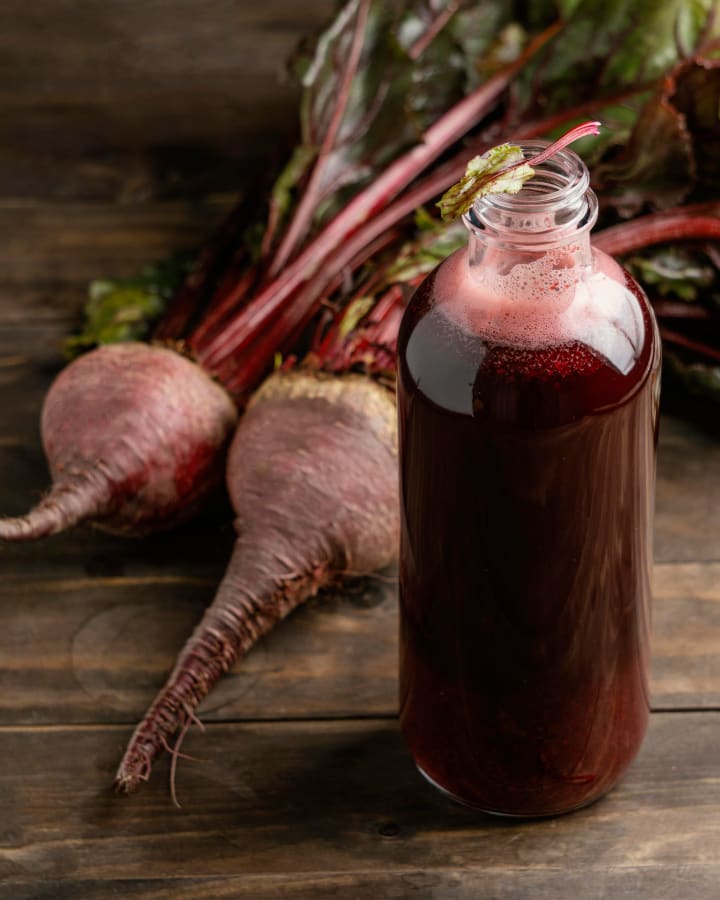
It provides natural nitrates, which improve blood flow and can enhance physical performance. Regular consumption has been found to benefit both athletes and people with hypertension.
Research conducted at Pennsylvania State University with middle-aged women also found that drinking beetroot juice daily helps maintain healthy blood vessels, improves circulation, and reduces cardiovascular risk.
Black Tea
Rich in flavonoids—antioxidant compounds that protect against cellular aging—black tea has been linked to improvements in vascular and muscle health, according to a recent report published in the International Journal of Food Science, which recommends drinking between one and six cups a day.
Nuts
Nuts are rich in omega-3 ALA, fiber, protein, and polyphenols. Various studies link them to a reduced risk of cardiovascular disease and improved cognitive function. Consuming a small portion daily provides multiple health benefits.
In addition, Norwegian scientists consulted by The Times demonstrated that including a handful of nuts daily helps reduce the risk of heart disease, cancer, and other pathologies.
Oranges
A natural source of vitamin C and fiber, they strengthen the immune system, improve mood, and protect eye health.
Earlier this year, Harvard scientists suggested that an orange a day can reduce the incidence of depression and macular degeneration, a leading cause of blindness.

Apples
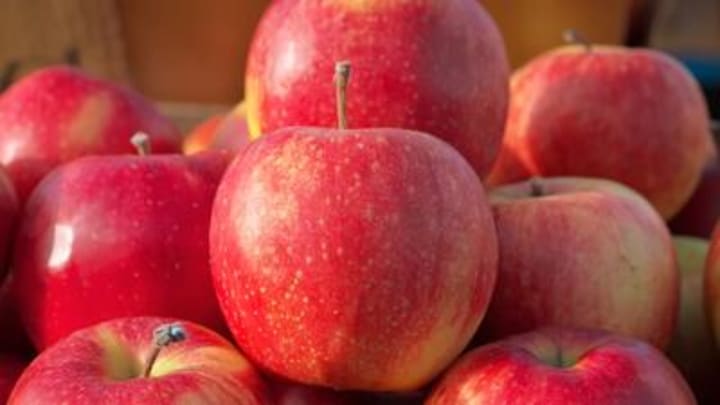
Thanks to their high flavonoid content, this fruit is associated with a lower risk of frailty, physical decline, and mental health problems.
A study led by Professor Aedin Cassidy of Queen's University Belfast, along with Harvard professors, concluded that increasing daily consumption of flavonoid-rich foods, such as apples, reduces the development of symptoms such as anxiety, muscle weakness, and loss of mobility by between 6% and 15%.
Previous research also indicated that they promote gut microbiome diversity, which may contribute to lower systolic blood pressure and boost cardiovascular health.
White Button Mushrooms
Rich in ergothioneine—a potent antioxidant—mushrooms are associated with a reduced risk of several types of cancer, which can reach up to 45%, according to studies published in Advances in Nutrition.
Yogurt
It provides probiotics that benefit the gut microbiome. It is also an accessible source of calcium, protein, and vitamins. It was determined that regular consumption of it may reduce the risk of colorectal cancer.
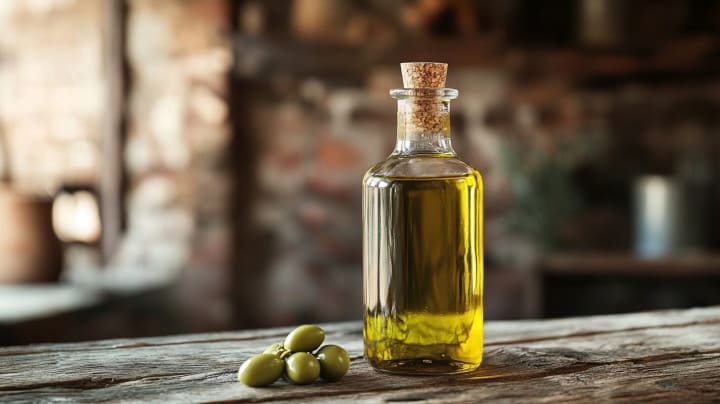
Olive Oil
Consuming vegetable oils such as olive oil instead of butter is associated with lower mortality from cancer and cardiovascular disease.
“Slightly reducing butter consumption and incorporating more vegetable oils into your daily diet can have significant long-term health benefits,” said Daniel Wang, assistant professor in the Department of Nutrition at Harvard.
Replacing just 10 grams of butter with olive oil could reduce the risk of death from cancer and other causes by 17%.
Eggs
The yolks contain choline, omega-3 fatty acids, leucine, zeaxanthin, and vitamins D and B12. Recent studies link them to a reduced risk of Alzheimer's disease. Consumption of one to three eggs a day is recommended for healthy adults.
Beans and Lentils
Regularly incorporating lentils, chickpeas, or peas into your diet improves your intake of fiber, vitamin E, folate, and minerals such as iron, zinc, and magnesium.
According to Professor Julie Lovegrove of the University of Reading, these foods not only provide key nutrients but are also versatile, affordable, and sustainable. Adding beans to curries or replacing part of the meat in a sauce with lentils are simple ways to incorporate them.
About the Creator
Omar Rastelli
I'm Argentine, from the northern province of Buenos Aires. I love books, computers, travel, and the friendship of the peoples of the world. I reside in "The Land of Enchantment" New Mexico, USA...
Keep reading
More stories from Omar Rastelli and writers in Journal and other communities.
A futurist predicts that humanity will be able to stop aging by 2029
Renowned futurist and former Google engineer Ray Kurzweil has made a prediction that challenges our traditional understanding of aging: by 2029, humanity will reach “longevity escape velocity,” a point at which our lifespan will increase by more than a year for every year that passes, allowing us to gain more lifespan rather than lose it.
By Omar Rastelli8 months ago in Journal
The goals I did not achieve
Every writing goal I made for the year is a wash. It has been this way for a while, but I think it's important to be open about my failures and the reality of how life can get in the way. This is especially true considering the several times I have posted on Vocal about my writing goals, how I was changing my approach, and where I was hoping to be for the upcoming year. I will probably do that again in a couple months, but for now, it is time to acknowledge where I am today.
By Kay Husnick23 days ago in Journal
Why Florida Car Dealers Must Carry a Surety Bond
If you’re planning to open a used car dealership in Florida, one of the first compliance requirements you’ll encounter is the dealer surety bond. Many people assume this is just another formality in the licensing process, but it plays a much bigger role than most applicants realize.
By American US Insurance4 days ago in Journal




Comments
There are no comments for this story
Be the first to respond and start the conversation.