
11 Reasons Why RBI Withdrawing ₹2,000 Notes is A Good Move
Currency Evolution: Embracing Change with RBI's ₹2,000 Note Withdrawal


Introduction
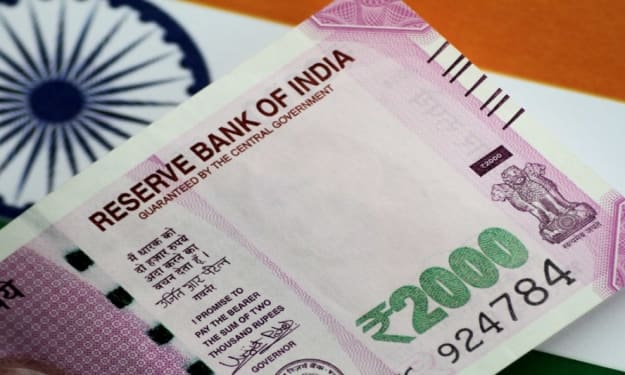
In a bold move aimed at transforming the Indian economy, the Reserve Bank of India (RBI) has decided to withdraw the ₹2,000 currency notes from circulation. This decision has sparked debates and discussions among economists and citizens alike. While some may question the rationale behind this step, there are several compelling reasons why the withdrawal of ₹2,000 notes can be considered a positive move for the Indian economy. In this article, we will explore six reasons that support this decision.
01. Curbing Black Money and Counterfeit Currency
One of the primary objectives of demonetization and the withdrawal of high-value currency notes is to curb black money and combat the circulation of counterfeit currency. The ₹2,000 note, introduced in 2016 during the demonetization exercise, became a popular tool for hoarding unaccounted wealth. By withdrawing these notes, the RBI aims to disrupt the hoarding and circulation of illicit funds, making it more difficult for black money operators to store and use large sums of money discreetly. Additionally, withdrawing ₹2,000 notes would help tackle the issue of counterfeit currency, as these notes have been a preferred denomination for counterfeiters.
02. Encouraging Digital Payments and Financial Inclusion
The withdrawal of ₹2,000 notes aligns with the government's broader vision of a digital and cashless economy. By removing high-value currency notes, individuals and businesses are encouraged to adopt digital payment methods. This move can drive a significant shift towards electronic transactions, reducing the reliance on cash and promoting transparency in financial transactions. Furthermore, with the increased usage of digital payment platforms, more people, especially those in rural areas, can be brought into the formal banking system, thus promoting financial inclusion.
03. Boosting Tax Compliance
A major challenge for tax authorities in India has been the vast informal economy and the low tax compliance rate. With the withdrawal of ₹2,000 notes, the RBI aims to increase the traceability of financial transactions, making it easier for tax authorities to identify unreported income and undisclosed wealth. The move creates a more accountable system, encouraging individuals and businesses to maintain proper records and pay their taxes diligently. By promoting tax compliance, the government can generate additional revenue, which can be utilized for public welfare and infrastructure development.
04. Streamlining Currency Management
The withdrawal of ₹2,000 notes can streamline the currency management process for the RBI. The higher value of these notes means that a smaller number of physical notes is required to facilitate large transactions. With the removal of ₹2,000 notes, the RBI can optimize currency supply and focus on managing smaller denominations more effectively. This can lead to cost savings in currency printing and circulation, as well as enhanced efficiency in cash management operations.
05. Combating Terrorism and Illicit Activities
Terrorist activities and other illicit operations often thrive on unaccounted money and cash transactions. By withdrawing ₹2,000 notes, the RBI is making it more challenging for these activities to be funded and executed. The reduced availability of high-value currency curtails the ability of anti-social elements to move and store large amounts of money discreetly. Consequently, this move can significantly hinder the financing of terrorism, money laundering, and other illegal activities, thereby strengthening national security.
06. Promoting Financial Stability
Withdrawal of the ₹2,000 notes is a step towards promoting financial stability. The large denomination notes are often associated with hoarding and speculation, contributing to volatility in the economy. By removing these notes, the RBI aims to encourage a more stable financial environment. It can discourage excessive cash holdings, mitigate the risk of sudden surges or drops in demand, and create a more predictable economic landscape. This can foster investor confidence
07. Simplifying Transactions and Reducing Cash Dependency
High-value currency notes like ₹2,000 often lead to complications in day-to-day transactions. Small businesses and individuals often face difficulties in providing change for such denominations, resulting in inconvenience and inefficiency. By phasing out ₹2,000 notes, the RBI aims to simplify transactions and reduce cash dependency, promoting a smoother flow of commerce and trade.
08. Addressing Inflation Concerns
Large denomination notes can potentially contribute to inflationary pressures in the economy. When substantial amounts of high-value currency are in circulation, it can lead to a rise in prices as the purchasing power of money increases. The withdrawal of ₹2,000 notes helps maintain price stability by managing the availability of high-denomination currency, thus curbing inflationary tendencies.
09. Encouraging Financial Planning and Saving Habits
The presence of high-value currency notes may discourage individuals from engaging in disciplined financial planning and saving practices. With the withdrawal of ₹2,000 notes, people are encouraged to manage their finances more prudently by using smaller denominations. This can promote a culture of saving and responsible financial behavior, benefiting both individuals and the overall economy.
10. Addressing Cash Hoarding and Cash-Intensive Sectors
Large denomination notes often find their way into cash-intensive sectors like real estate, jewelry, and high-value purchases. These sectors are prone to cash hoarding and tax evasion. By withdrawing ₹2,000 notes, the RBI aims to tackle these issues and bring greater transparency and accountability to such sectors. The move will make it harder to hoard cash and create a more level playing field, ensuring fair business practices and tax compliance.
11. Promoting Digitalization in the Informal Sector
India has a significant informal sector that predominantly operates on cash transactions. By withdrawing ₹2,000 notes, the RBI encourages the integration of this sector into the formal economy. The transition to digital payments and increased use of banking channels will not only enhance transparency but also provide opportunities for the informal sector to access credit facilities, financial services, and government schemes.
Conclusion
The withdrawal of ₹2,000 notes by the RBI carries several significant advantages for the Indian economy. It helps curb black money, counterfeit currency, and illicit activities while promoting tax compliance and financial stability. Additionally, it encourages digital payments, financial inclusion, and responsible financial behavior. By streamlining currency management and addressing inflation concerns, this move lays the foundation for a stronger, more transparent, and efficient economy. While the withdrawal of ₹2,000 notes may present short-term challenges, the long-term benefits outweigh the transitional inconveniences, making it a prudent decision by the RBI.
About the Creator
Mandeep Sokhal
Digital Creator/Influencer
Visit Here: linkfly.to/mandeepsokhal
Keep reading
More stories from Mandeep Sokhal and writers in Journal and other communities.
Rs 2,000 Notes Withdrawn | Check Exchange Process, Deadline, Limits, And More
Introduction: In a surprising move, the Reserve Bank of India (RBI) has announced the withdrawal of the Rs 2,000 denomination notes from circulation. This decision has prompted individuals holding these notes to understand the exchange process, deadlines, limits, and other pertinent details. In this article, we will delve into the specifics of the withdrawal and provide a comprehensive guide to help individuals navigate through this transition.
By Mandeep Sokhal3 years ago in Journal
How Receipt Printers Improve Checkout Speed in Retail Stores
Introduction Retail stores in New Zealand often face long queues during busy hours. Customers expect quick service, especially in supermarkets, convenience stores, and small retail outlets. When checkout lines move slowly, shoppers may feel frustrated and leave the store with a negative experience.
By POS Central NZabout 13 hours ago in Journal



Comments
There are no comments for this story
Be the first to respond and start the conversation.