
11 Most Common App Development Mistakes That Developers Make
Avoid common mobile app development mistakes that can delay your app launch, increase costs, and impact user experience. Learn how to prevent them.
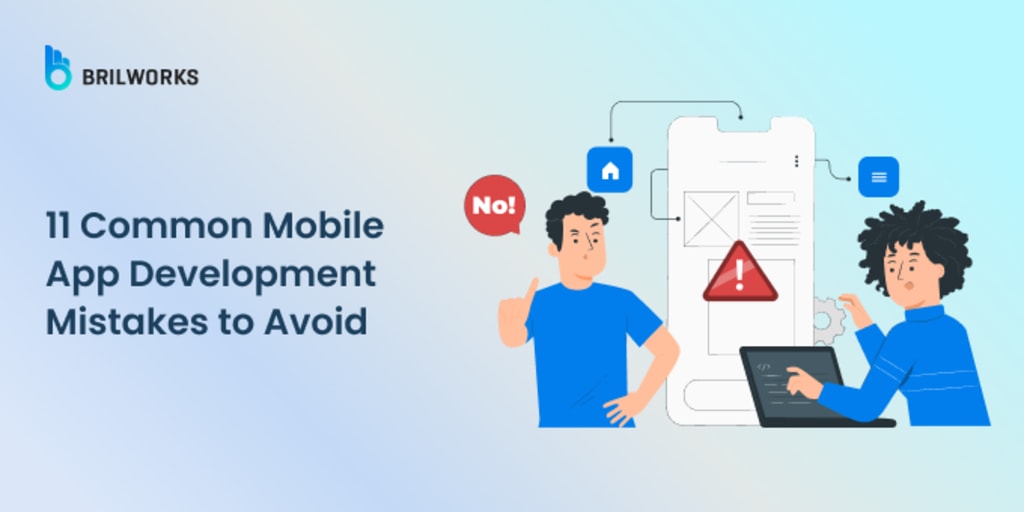
Building a mobile app is exciting, but it’s also easy to make mistakes along the way. A small oversight in the early stages can lead to costly fixes later. Some businesses rush into the app development process without a clear plan, while others ignore user feedback and wonder why their app isn’t gaining traction.
We have completed over a hundred projects, and along the way, we have learned quite a few things. The truth is, many mobile app development mistakes are avoidable. Understanding what can go wrong helps you make better decisions and build an app that people actually want to use. Whether it’s budgeting, design, or choosing the right app development company, every step matters. Let’s go over the most common mistakes and how to avoid them.
Mistake- 1: Not Identifying the Core Purpose of the App
Many apps fail because they try to do too much or lack a clear purpose. If you don’t know exactly what problem your app solves or who it’s for, every decision-from design to features-becomes a guessing game.
Before development starts, ask yourself:
- What is the main problem my app solves?
- Who is my target audience?
- Why would people choose my app over others?
Without clear answers, you risk creating an app that lacks focus, confuses users, or struggles to stand out. The best apps do one thing really well. Instead of trying to add every possible feature, focus on solving a specific problem effectively.
Mistake- 2: Choosing the Wrong Development Team
Even the best app ideas can fail if the wrong team is building them. Hiring an inexperienced or unqualified team leads to delays, technical issues, and a final product that doesn’t meet expectations.
Some common mistakes when choosing an app development company or team:
- Picking the cheapest option without checking their portfolio.
- Ignoring reviews and client feedback.
- Choosing a team that lacks experience in your app’s niche.
A skilled development team doesn’t just write code-they help refine ideas, suggest improvements, and ensure a smooth app development process. Always review their past projects, ask for references, and make sure they understand your vision before moving forward.
Check out our guide on choosing the right app development company: Choosing the Right Mobile App Development Partner- 8 Practical Tips
Mistake- 3: Underestimating the Total Costs of Development
A clear vision of your app can help you understand which areas need attention and how much. This way, you can assign the budget accordingly. Many businesses focus only on initial app development costs and forget about everything else-design, testing, updates, and maintenance. This leads to budget overruns and unfinished projects.
Here’s what app development really includes:
- Design & Prototyping — UI/UX design, wireframes, and interactive mockups.
- Development — Frontend and backend coding, third-party integrations.
- Testing & QA — Identifying and fixing bugs before launch.
- Maintenance & Updates — Security patches, new features, and performance improvements.
An experienced app development company will help you plan for these costs upfront. They will create a plan, design your app, and provide insights on its maintenance after launch. Without proper budgeting, you risk running out of funds before your app reaches its full potential.
Mistake- 5: Failing to Prioritize Testing and Quality Assurance
One of the biggest mistakes in mobile app development is skipping or rushing the testing. However great your idea may be, an app full of bugs and crashes will not make it for long with users.
Testing should happen at every stage of the app development process, not just before launch.
Some common mistakes include:
- Relying only on developers to find issues instead of dedicated testers.
- Ignoring testing on different devices and operating systems.
- Skipping real-user testing and feedback before release.
A well-tested app runs smoothly, provides a great user experience, and builds trust with users. Cutting corners here only leads to negative reviews and higher costs to fix problems later.
Mistake- 6: Not Developing a Cross-Platform App
A focus on one platform (iOS or Android) is often perceived as the safest choice, but it actually reduces the reach. Most businesses fall into the trap of creating separate native apps for each platform, which in turn increases costs and development time.
A better approach is to use cross-platform frameworks like React Native or Flutter, which allow you to build one app that runs on both iOS and Android.
Benefits of cross-platform development include:
React Native: This open-source framework uses JavaScript and React components, offering the ability to create native-like experiences while leveraging a shared codebase for both iOS and Android. React Native app development speeds up the process and reduces the complexity of maintaining two separate codebases.
Flutter: Flutter was developed by Google. It enables building high-performance, multi-platform apps using a shared codebase. Customizable widgets and hot reload help developers speed up design iterations and offer a seamless, uniform user experience across platforms.
Unless your app requires highly platform-specific features, cross-platform development is often the smarter choice for startups and businesses looking for efficiency.
Read the full article here.
About the Creator
Vikas Singh
Vikas is the Chief Technology Officer (CTO) at Brilworks, leads the company's tech innovations with extensive experience in software development. He drives the team to deliver impactful digital solutions globally.
Keep reading
More stories from Vikas Singh and writers in Journal and other communities.
Choosing the Right Tech Stack for Mobile App Development
When it comes to mobile app development, picking the right technology is crucial. Deciding on the right tech stack for your mobile app is essential to its success, as it impacts performance, scalability, and user experience. Here’s a guide to help you make the right decision. Plus, with so many cutting-edge tools and frameworks available today, choosing the right tech stack for mobile app development can make the process smoother. But in the long run, if your chosen tech isn’t scalable, is outdated, or doesn’t integrate well with new technologies, it can slow down your growth and impact your vision.
By Vikas Singh12 months ago in Journal
Rage
Content Warning: Domestic Violence, Assault Rage D. A. Ratliff “Who did this?” My voice echoed through the house. All I wanted was a cup of tea, but one of the twins, running through the house like maniacs, knocked it over. My nerves tingled, and every muscle in my body felt coiled like a spring. Survival seemed out of reach.
By D. A. Ratliff6 days ago in Fiction



Comments
There are no comments for this story
Be the first to respond and start the conversation.