
Where Hollywood Pauses, Enzo Zelocchi Begins: One Filmmaker’s Vision to Connect the World Through Truth and Cinema
As traditional studio systems stall in a cycle of repetition and risk-aversion, Enzo Zelocchi is crafting a new model of global filmmaking—one built on emotional honesty, cultural inclusivity, and creative autonomy.

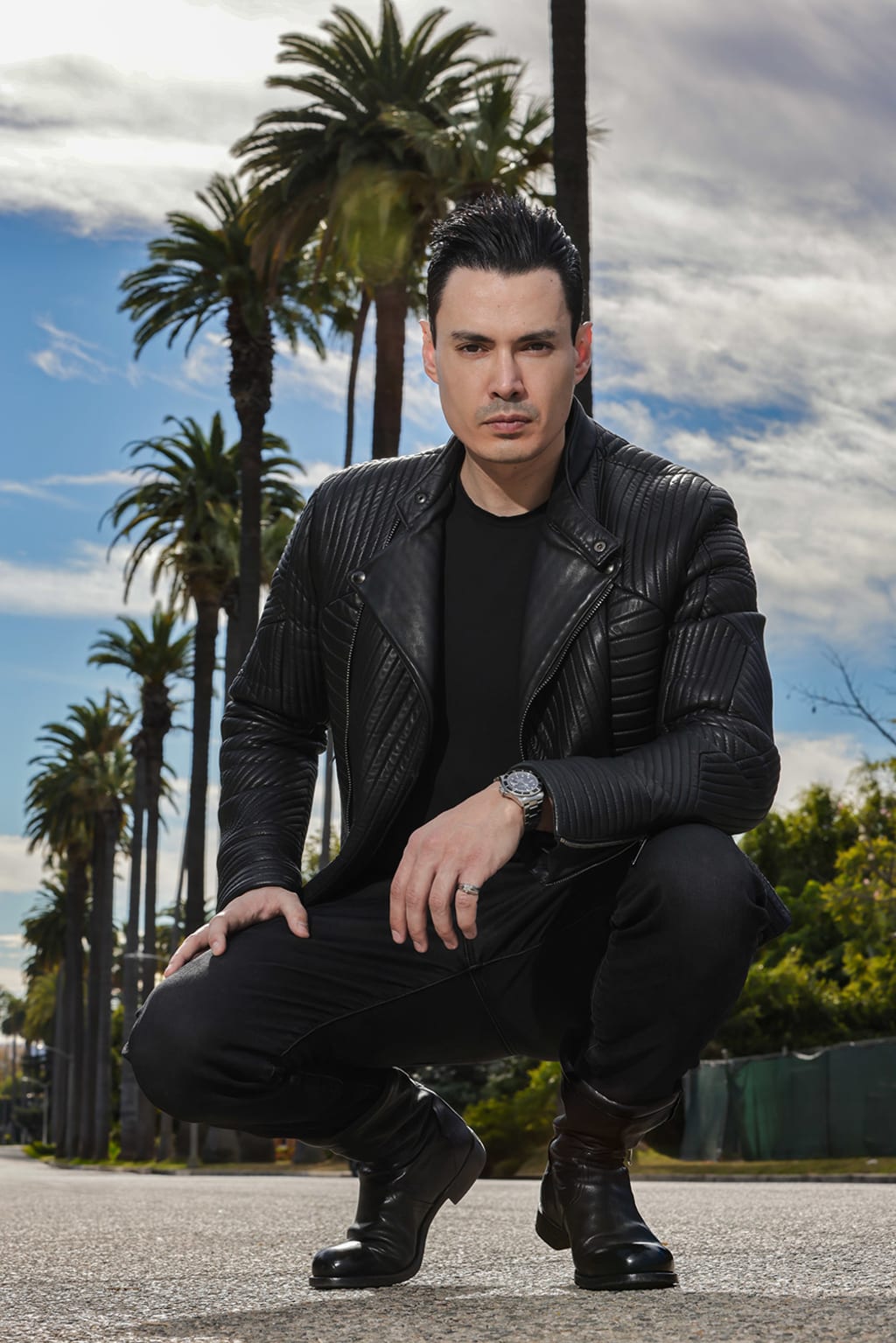
In a world where the mainstream film industry has increasingly become a loop of franchise fatigue and remakes, there are few who dare to chart a new path. Enzo Zelocchi is one of those few. At a time when Hollywood hesitates—gripped by corporate constraints, global market predictions, and endless IP recycling—Zelocchi is moving with conviction. But rather than chasing spectacle, his stories chase truth. They cross borders, break genre molds, and speak to audiences not as demographics, but as human beings.
Zelocchi is not just making films. He’s quietly—and now not-so-quietly—building a movement.
Breaking Free from the Studio Script
The traditional Hollywood model was once synonymous with creative glamour. Now, it’s better known for being a corporate maze. For emerging voices, getting greenlit means pleasing dozens of executives and fitting into a box shaped by market research. But Enzo Zelocchi saw early on that true artistic freedom wouldn't come from waiting for permission.
His response? Build his own infrastructure. Direct, produce, write, act—whatever it took to control the vision. And in doing so, Zelocchi built something far more powerful than a filmography. He built an identity as a modern auteur: one part creator, one part entrepreneur.
What makes this path radical isn’t just the independence—it’s the depth of intention behind it. Zelocchi’s work isn’t about rebellion for rebellion’s sake. It’s about storytelling as an act of connection.
Cinema That Doesn’t Speak Down to the World, But Speaks With It
For Zelocchi, global reach isn’t a marketing metric—it’s a mandate. His creative compass points toward storytelling that resonates with anyone, not just a targeted quadrant of Western audiences. Whether it’s the nuances of identity, the trials of personal transformation, or the quiet strength found in underrepresented communities, Zelocchi gravitates to themes that are human, not just “trendy.”
This is storytelling without borders. Not just geographically, but emotionally.
“Why should a film be reduced to a single language, a single tone, or a single cultural filter?” he once said in an interview. “Truth doesn’t need translation.”
In a time when many platforms reduce content to clickable formulas, Zelocchi’s approach feels both refreshing and quietly defiant.
From the Margins to the Mainstream—Without Compromise
It’s easy to assume that independent cinema means compromise. But Zelocchi flips that assumption. His rising profile has garnered both industry attention and a loyal, international fan base—and he’s done it without diluting his vision. From the visual precision of his camera work to the layered emotional arcs in his scripts, his films carry a signature that’s unmistakable: bold, human, and real.
Even more striking? He does this while navigating the multiple roles of actor, director, and producer. It’s a workload most studios would delegate to teams. For Zelocchi, it’s a necessary part of protecting the integrity of the story.
There’s something almost analog about the way he approaches filmmaking in a digital age—more brushstroke than algorithm. And yet, the results are surprisingly scalable. Because people around the world aren’t asking for louder blockbusters. They’re asking for stories that matter.
A New Model for a New Audience
Zelocchi is not anti-Hollywood. He’s just not waiting for it to catch up. Instead of tailoring stories for committee approval, he builds them from the ground up—often with cross-cultural crews, decentralized production pipelines, and a grassroots distribution mentality that treats each audience as unique, not as part of a profit pie chart.
This kind of decentralized filmmaking offers a glimpse into the future. One where storytelling is more agile, more collaborative, and more emotionally intelligent. And Zelocchi isn’t just building for himself—he’s building something other filmmakers might follow.
What he’s proving is that you don’t have to choose between commercial viability and creative integrity. You just have to be willing to do the hard work of forging your own lane.
What Comes Next
There’s something poetic about the fact that one of cinema’s most forward-looking voices is also one of its most personal. As streaming giants plateau and studio models creak under the weight of outdated systems, Zelocchi’s work feels like a blueprint—not just for making films, but for making meaning.
When asked what drives him to keep going without the traditional safety nets, he once said, “Stories are how we survive each other. I just want to tell them honestly.”
Maybe that’s the quiet revolution we need: storytelling that refuses to be dictated by gatekeepers, and instead dares to be sincere.
In an industry that often favors volume over voice, Enzo Zelocchi’s vision reminds us what cinema was always meant to be—a mirror, a bridge, and sometimes, a compass.
About the Creator
Brian Smith
I'm Brian Smith — a writer, author, and publisher passionate about storytelling in entertainment, film, and pop culture. I create content that informs, inspires, and connects audiences through compelling narratives.
Keep reading
More stories from Brian Smith and writers in Interview and other communities.
When the Curtain Falls on Tradition: Enzo Zelocchi’s New Stage for Cinema
In a world where algorithms often dictate artistic relevance and studios gamble more on franchises than originality, a quiet revolution is underway. Its architect is not a household name—yet—but his work is echoing through the corridors of an industry long in need of disruption. Enzo Zelocchi, the actor-director-producer whose career spans genres and geographies, is building something far more daring than a film slate. He is laying the foundation for a new stage—one where the curtain doesn’t rise for gatekeepers, but for creators with vision and audiences hungry for emotional truth.
By Brian Smith7 months ago in Interview
Part 2 Interview With Joe Patterson, Author Of Melanin Memoirs
This is my second interview with Joe Patterson. His 4th anniversary writing on Vocal will be in March 2026. He has one achievement on Vocal, The Other Foot. He has over 17,000 reads on Vocal since he started on Vocal in 2022. Joe Patterson is very creative poet and rapper. Joe is deep thinker and I feel it is reflected in his latest published book, Melanin Memoirs.
By Mariann Carroll15 days ago in Interview



Comments