
WHAT SHOULD MUSEUMS DO WITH THEIR DEAD
Should Museums Be closed

"What should museums do with their dead?" This is a difficult question that has been historically hard to address. However, it's a conversation that needs to be had, especially when it comes to human remains in museum collections. As a full-time museum employee for six years and a science YouTuber, I have been asked about this topic frequently.
I am known for discussing complicated issues, including the machinations behind a museum bureaucracy, how to work with curators and administration, and consent. Consent is at the heart of why museum collections that possess human remains are problematic because most of the remains were not obtained with the individual's consent.
On my channel, we have a series called "Iconic Corpse," where we talk about famous corpses who were often exploited or violated in some way after their death. The concept of consent is crucial, especially when an individual has a specific vision for what happens with their dead body, which could be important culturally or religiously.
While I am not necessarily at the table when it comes to discussing human remains and museum collections, I can speak from an outsider's perspective and acknowledge the complications and current considerations that need to be addressed. It's not an easy conversation to have, but it's necessary to ensure that we handle human remains with respect and understanding.
Sacred importance to Native American tribes, those objects must be returned to those tribes. However, this mandate does not cover human remains, which is a significant issue that needs to be addressed.
The issue of human remains in museum collections is a complicated and sensitive topic. Many of these remains were obtained without the individual's consent and come from marginalized groups of people, including indigenous communities, prisoners, and patients who were mentally or physically disabled or ill. While these remains may have been collected for scientific research or educational purposes, it's vital to acknowledge the lack of consent and the importance of treating these remains with respect.
The conversation surrounding human remains in museum collections is not a new one, but it's becoming more prevalent in public discourse. Terms like "decolonizing museum collections" and "repatriation" are now being used more frequently, and it's essential to take a proactive approach to address this issue.
One potential solution is to repatriate human remains to their respective communities or even return them to their place of origin. However, this process is not always straightforward, and it requires extensive research and collaboration between museums and communities. In some cases, repatriation may not be the appropriate solution, and other methods should be explored.
One possible approach is to create an ethical framework for the handling of human remains in museum collections. This framework should prioritize the individual's consent and cultural and religious considerations. It should also address the ethical implications of displaying human remains, including the potential harm to marginalized communities and the perpetuation of colonial attitudes.
Another important aspect of this issue is education. Museums should take the initiative to educate visitors about the ethical considerations surrounding human remains and the importance of treating them with respect. This education should also extend to museum staff, who should be trained in the handling and care of human remains.
In conclusion, the issue of human remains in museum collections is complex, and there is no one-size-fits-all solution. However, it's vital to acknowledge the lack of consent and the importance of treating these remains with respect. We must take a proactive approach to create an ethical framework for the handling of human remains in museum collections and prioritize education for both visitors and museum staff. Only by working together can we ensure that these remains are handled with the dignity and respect they deserve.
About the Creator
Keep reading
More stories from Mvehdze Trisha and writers in Interview and other communities.
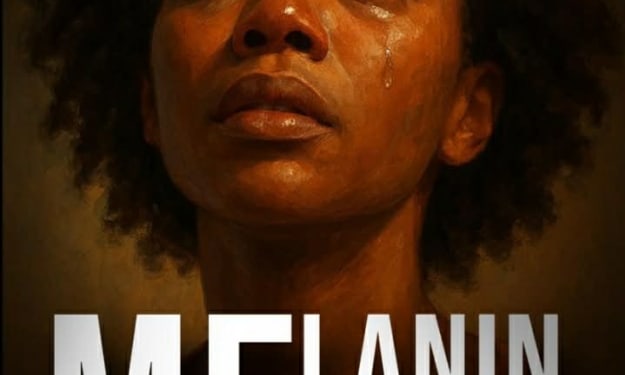
Part 2 Interview With Joe Patterson, Author Of Melanin Memoirs
This is my second interview with Joe Patterson. His 4th anniversary writing on Vocal will be in March 2026. He has one achievement on Vocal, The Other Foot. He has over 17,000 reads on Vocal since he started on Vocal in 2022. Joe Patterson is very creative poet and rapper. Joe is deep thinker and I feel it is reflected in his latest published book, Melanin Memoirs.
By Mariann Carroll21 days ago in Interview
A More Human Vocal
When we launched Vocal nearly a decade ago, the world was a very different place. LLMs did not exist, and stories were created one at a time by people sitting down to write, revise, and share something personal. Many of our assumptions about publishing, trust, and participation were built for a world where effort and output were inseparable.
By Justin @ Vocalabout 17 hours ago in Resources



Comments
There are no comments for this story
Be the first to respond and start the conversation.