
What are the Best Practices for Successful Compliance Management?
Compliance Management Services
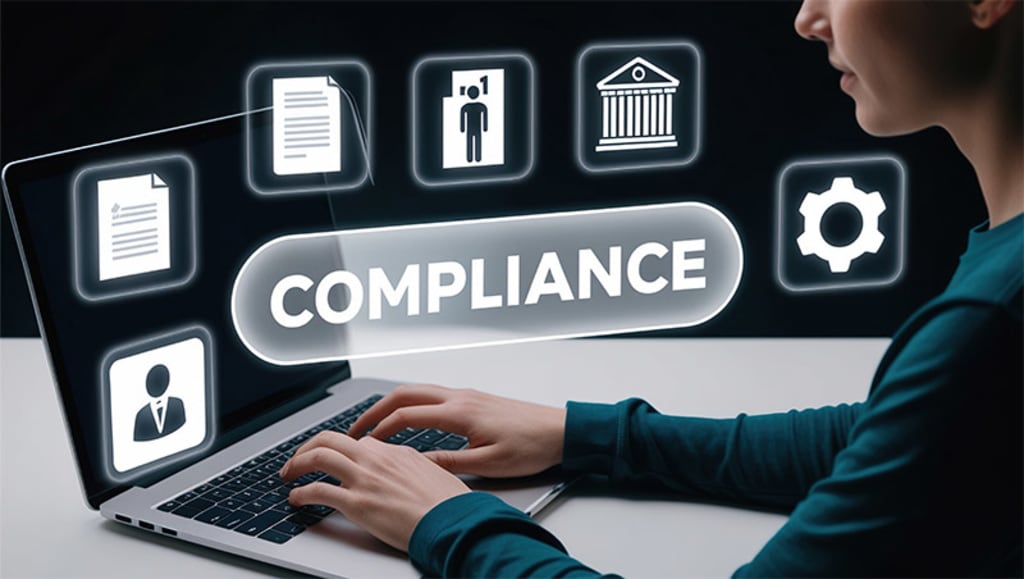
In an increasingly regulated world, organizations must prioritize compliance management to maintain legal and ethical standards while minimizing risks. But what exactly is compliance management, and why is it so critical for businesses today? This blog delves into the best practices for successful compliance management and explores its importance, processes, and solutions to help companies navigate this complex landscape.
What is Compliance Management?
Compliance management refers to the ongoing process of ensuring that an organization adheres to internal policies, external regulations, standards, and contractual obligations. This can encompass various aspects, such as financial reporting, data protection, labor laws, and industry-specific regulations. Effective compliance management helps businesses avoid legal penalties, reputational damage, and operational disruptions.
Why is Compliance Management Important?
The importance of compliance management cannot be overstated. It is essential for maintaining a company’s integrity, protecting its reputation, and building trust with stakeholders. Compliance also ensures that organizations operate within the legal framework, minimizing the risk of fines, sanctions, and other legal consequences. A robust compliance management process helps create a culture of accountability and transparency, which is vital for long-term success.
Best Practices for Successful Compliance Management
1. Define Clear Compliance Policies and Procedures
The first step in successful compliance management is establishing clear policies and procedures. These should be documented, communicated to all employees, and regularly reviewed to ensure they remain relevant. Having well-defined guidelines helps everyone understand their responsibilities, reducing the risk of non-compliance.
2. Implement a Strong Compliance Management Process
A structured compliance management process is crucial for ensuring all activities align with regulatory requirements. This process involves identifying applicable regulations, assessing risks, developing controls, monitoring compliance, and responding to violations. Regular audits and assessments are vital components of this process, helping organizations detect and rectify issues before they escalate.
3. Utilize Compliance Management Solutions
Investing in robust compliance management solutions can streamline the entire process. These solutions offer tools for monitoring, reporting, and managing compliance-related activities. They can automate routine tasks, track regulatory changes, and provide real-time updates, ensuring that your organization remains compliant with all relevant laws and standards. For example, a contract compliance management tool can help manage vendor relationships and ensure all contractual obligations are met.
4. Focus on Corporate Compliance Management
Corporate compliance management encompasses all the policies, procedures, and actions an organization takes to comply with legal and ethical standards. This involves a company-wide commitment to compliance, starting from the top management. Leadership should actively promote a culture of compliance, ensuring that it is embedded into the organization’s values and everyday operations.
5. Regularly Monitor and Review Compliance Activities
Continuous monitoring is essential for maintaining compliance. Regular audits, assessments, and reviews help ensure that compliance activities are effective and up to date. Monitoring should cover all aspects of the compliance management process, from internal policies to external regulations, to ensure comprehensive coverage.
6. Train Employees on Compliance Requirements
Training is an integral part of any compliance management strategy. Regular training sessions help employees understand the importance of compliance and how to comply with relevant laws and policies. Effective training programs should be tailored to the specific roles and responsibilities of employees, ensuring that everyone understands their role in maintaining compliance.
7. Manage Contract Compliance Effectively
Contract compliance management is a critical aspect of overall compliance management, particularly for organizations that deal with multiple vendors, clients, or partners. Ensuring that all contractual terms are met, both internally and externally, helps avoid disputes and legal penalties. It is crucial to have a clear process for tracking and managing contracts, including deadlines, terms, and obligations.
8. Foster a Culture of Compliance
Creating a culture of compliance is essential for ensuring long-term adherence to regulations. This involves promoting transparency, accountability, and ethical behavior throughout the organization. Employees should feel empowered to report potential compliance issues without fear of retaliation. Regular communication from leadership about the importance of compliance reinforces its value within the organization.
Conclusion
Effective compliance management is essential for any organization aiming to maintain legal integrity, minimize risks, and foster a culture of trust and accountability. By understanding the meaning of compliance management, implementing a structured compliance management process, and leveraging compliance management solutions, businesses can navigate the complex regulatory landscape with confidence. Remember, a proactive approach to compliance is always better than a reactive one.
By following these best practices, your organization can ensure it remains compliant with all relevant laws and regulations, safeguarding its reputation and success in the long term.
About the Creator
Part 2 Interview With Joe Patterson, Author Of Melanin Memoirs
This is my second interview with Joe Patterson. His 4th anniversary writing on Vocal will be in March 2026. He has one achievement on Vocal, The Other Foot. He has over 17,000 reads on Vocal since he started on Vocal in 2022. Joe Patterson is very creative poet and rapper. Joe is deep thinker and I feel it is reflected in his latest published book, Melanin Memoirs.
By Mariann Carroll26 days ago in Interview




Comments
There are no comments for this story
Be the first to respond and start the conversation.