
Vietnamese Lunar New Year vs. Chinese New Year: Similarities and Differences Explained
Discover the rich cultural significance of the Vietnamese Lunar New Year and Chinese New Year. Whether it's the delicious foods, colorful festivals, or meaningful customs, these celebrations offer unique insights into Vietnamese and Chinese culture.

Introduction
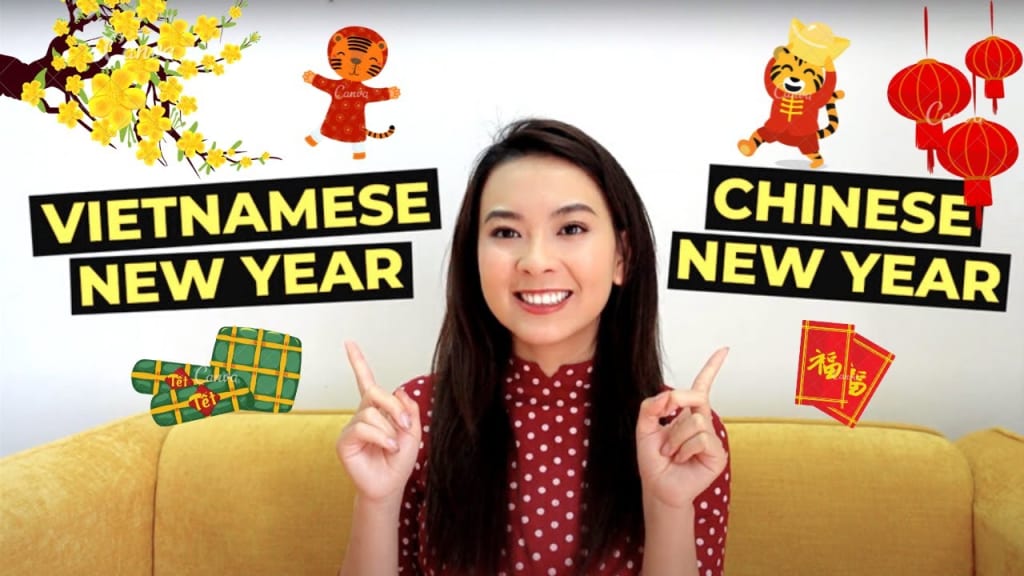
The Vietnamese Lunar New Year (Tết Nguyên Đán) and Chinese New Year (Spring Festival) are two of the most important cultural celebrations in East Asia. Both are rooted in the lunar calendar, celebrated with family reunions, honoring ancestors, and indulging in festive foods. Despite their shared origins, each holiday carries unique traditions and customs reflective of their respective cultures. In this article, we will explore the key similarities and differences between Tết and Chinese New Year, highlighting their cultural significance and the festive practices that make each celebration special.
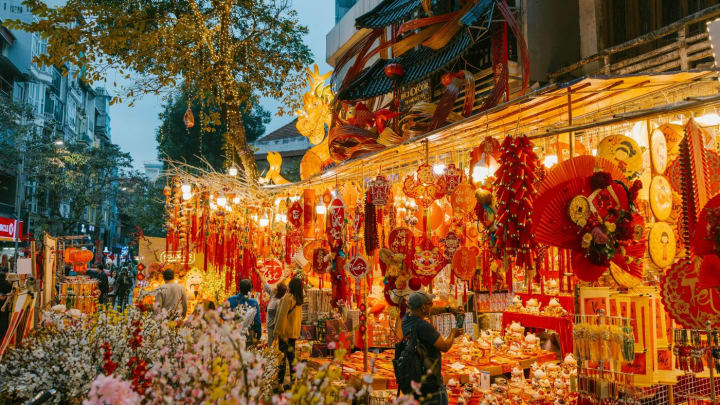
Similarities Between Vietnamese Lunar New Year and Chinese New Year
Both the Vietnamese Lunar New Year and Chinese New Year share numerous commonalities due to their lunar calendar origins. Below are some of the key similarities between the two festivals:
1. Celebration of the Lunar New Year
Both holidays mark the beginning of the lunar new year, typically falling between late January and early February. They are joyous occasions celebrating the arrival of spring and a fresh start, filled with family gatherings and cultural traditions.
2. Family Reunions
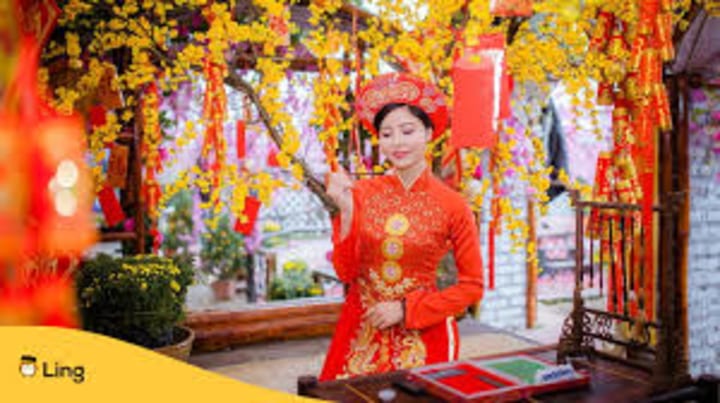
At the heart of both Tết and Chinese New Year is the idea of family. Families come together from near and far to celebrate these holidays, often with long journeys back to ancestral homes. Family reunions play a central role in fostering unity and connection.
3. Honoring Ancestors
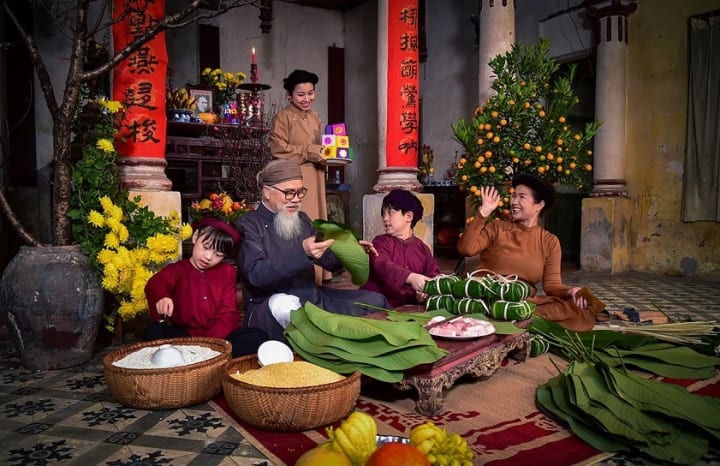
Both festivals emphasize honoring deceased loved ones. Families prepare special meals and offer food, incense, and other symbolic items to show respect for their ancestors. This act ensures that the spirits are nourished and brings blessings for the coming year.
4. Traditional Foods
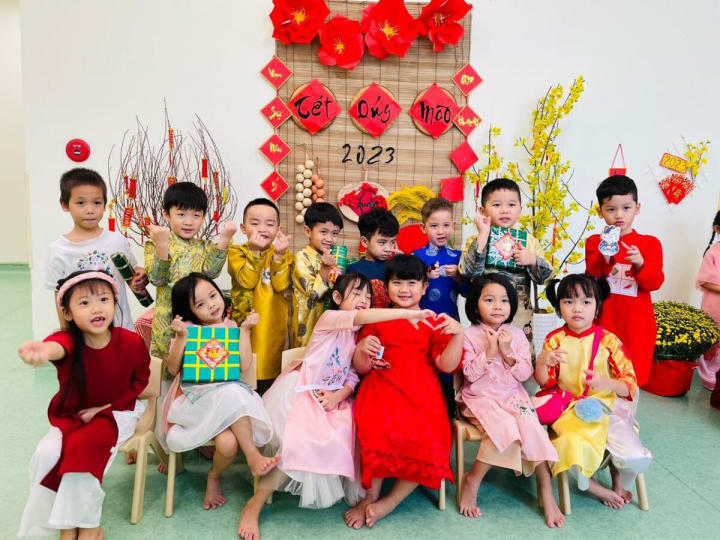
Traditional foods are an integral part of both Tết and Chinese New Year. Each culture enjoys specific dishes believed to bring good fortune:
- Vietnamese: Bánh chưng (square sticky rice cakes) and bánh dày (round rice cakes) are commonly eaten during Tết.
- Chinese: Popular dishes include dumplings (jiaozi), nian gao (rice cake), and fish, which symbolizes abundance and prosperity.
5. Red Envelopes (Lì Xì / Hóngbāo)
A cherished custom in both Vietnam and China is the exchange of red envelopes filled with money. These envelopes are given to children and unmarried adults as a way to wish them good luck and prosperity for the coming year.
6. Fireworks and Firecrackers
Both festivals feature fireworks and firecrackers, which are believed to drive away evil spirits and bring in good fortune. The loud noises create a celebratory atmosphere and symbolize a fresh start for the year ahead.
Key Differences Between Vietnamese Lunar New Year and Chinese New Year
While there are many shared elements between Tết and Chinese New Year, there are also distinct differences in the ways these holidays are celebrated. Here’s a closer look at how the two festivals differ:
1. Names and Significance
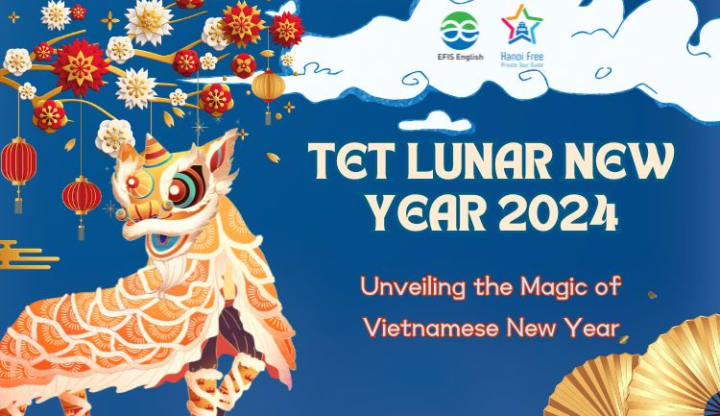
- Vietnamese Lunar New Year: Known as Tết Nguyên Đán, the Vietnamese festival places strong emphasis on family rituals and honoring the Earth and ancestors.
- Chinese New Year: Also known as Chūnjié (Spring Festival), it is celebrated widely across the Chinese-speaking world, marking the start of the spring season with large public festivities.
2. Cultural Practices and Traditions
- Vietnamese Customs: A unique practice in Tết is the display of a five-fruit tray (Mâm Ngũ Quả), which symbolizes different elements of life. Tết also places strong emphasis on visiting friends and relatives in the first few days of the holiday.
- Chinese Customs: In Chinese New Year, cleaning the house before the celebrations begins is a common ritual, symbolizing the removal of bad luck. The Lantern Festival, celebrated on the 15th day, marks the end of the celebrations.
3. Traditional Foods
- Vietnamese: Bánh chưng is a staple food during Tết, representing the Earth and symbolizing family unity.
- Chinese: Dumplings (especially in the northern regions) and nian gao are consumed to symbolize wealth, growth, and longevity.
4. Duration of Celebrations
- Vietnamese New Year: Typically lasts around 3-5 days, with the first day dedicated to honoring ancestors and the remaining days spent visiting relatives.
- Chinese New Year: Spans 15 days, culminating in the Lantern Festival which signifies the official end of the New Year celebrations.
5. Public Festivals and Celebrations
- Vietnamese: While there are public festivities, Tết is primarily focused on family and local community activities.
- Chinese: In contrast, Chinese New Year features grand parades, dragon dances, and elaborate public events in cities across China and other countries with large Chinese populations.
Conclusion
While the Vietnamese Lunar New Year (Tết Nguyên Đán) and Chinese New Year (Spring Festival) share many common traditions, they each offer a unique cultural experience. From the foods and rituals to the length of the celebrations, each holiday reflects the values and beliefs of their respective cultures. Whether you’re experiencing the intimate family gatherings of Tết or the grand public festivities of Chinese New Year, both celebrations serve as beautiful reminders of the importance of family, tradition, and renewal in the new year.
Keywords: Vietnamese Lunar New Year, Chinese New Year, Tết Nguyên Đán, Spring Festival, family traditions, red envelopes, bánh chưng, dumplings, Lunar New Year celebrations.
About the Creator
Green Technology For Life
Discover smart and efficient home products to enhance your daily life. From portable heaters to innovative IoT devices, find solutions that bring comfort, safety, and convenience to your family. Explore ideas for creating a cozy,
Keep reading
More stories from Green Technology For Life and writers in Interview and other communities.
Discover the Top 5 Most Famous Travel Destinations in the USA
Discover the Top 5 Most Famous Travel Destinations in the USA Are you familiar with the top 5 must-visit destinations in the USA? Join Lien Bang Travelink as we explore these iconic spots in this article!
By Green Technology For Lifeabout a year ago in Interview
Center Stage with Paul Stewart
*** I'm keen to republish the interviews I did for my series with Vocal creators. It's been a few years and I thought it might be nice to revisit these wonderful conversations. I'll be releasing them one at a time for a few weeks/months.
By Heather Hubler4 days ago in Interview
A Story of Taylor Swift
On a quiet Christmas morning in Reading, Pennsylvania, a young girl sat on the edge of her bed holding a guitar that was nearly as big as she was. Her fingers pressed carefully against the strings as she tried to match the melodies she heard in her head. Her name was Taylor Swift, and even at that young age, she understood something important: music was not just sound—it was a way to tell the truth. Long before stadium lights and chart-topping records, Taylor was learning how to turn feelings into stories.
By Organic Products 3 days ago in Interview




Comments
There are no comments for this story
Be the first to respond and start the conversation.