
Understanding the Reasons for Rejecting a Candidate After Interview
Reasons for Rejecting a Candidate After Interview
Job interviews can be nerve-wracking, and receiving a rejection can be disappointing. However, understanding the Reasons for Rejecting a Candidate After Interview can help you improve for future opportunities. Employers consider various factors when making hiring decisions and even small mistakes can influence their choice.
1. Lack of Proper Interview Preparation
One of the most common reasons for rejecting a candidate after interview is a lack of preparation. Employers expect candidates to research the company, understand the job role and be familiar with industry trends. If you fail to answer company-specific questions or struggle to explain how your skills fit the role, the interviewer may perceive you as uninterested or unprepared.
Tip: Study the company’s website, mission, values and recent achievements before the interview. Prepare responses to common questions and practice with a friend or mentor.
2. Weak Communication Skills
Strong communication is crucial in any job. If you struggle to express your thoughts clearly, use excessive filler words or fail to listen actively, it may be a reason why you didn't get the job.
Tip: Improve your communication by practicing speaking confidently, maintaining good eye contact and using a clear tone. Participate in mock interviews to refine your responses.
3. Poor Body Language
Body language speaks volumes in an interview. Slouching, avoiding eye contact or fidgeting can make you appear unconfident or disinterested.
Tip: Maintain good posture, smile naturally and use hand gestures to reinforce key points.
4. Failure to Showcase Relevant Skills
If you fail to highlight how your skills and experience align with the job, the interviewer may question your suitability. A weak or generic response to skill-related questions is a major reason for rejecting a candidate after interview.
Tip: Use the STAR method (Situation, Task, Action, Result) to structure responses that demonstrate your competencies effectively.
5. Overconfidence or Arrogance
Confidence is important, but arrogance can be off-putting. If you interrupt the interviewer, overstate your achievements or downplay your weaknesses, you might come across as uncoachable.
Tip: Show confidence while remaining humble. Acknowledge areas for improvement and express enthusiasm for learning and growth.
6. Speaking Negatively About Previous Employers
Badmouthing past employers or colleagues can make recruiters question your professionalism and attitude.
Tip: Even if you had a negative experience, focus on what you learned rather than criticizing your previous workplace.
7. Lack of Enthusiasm for the Role
Employers prefer candidates who show genuine interest in the position. If you appear indifferent or fail to ask thoughtful questions, it may be a reason why you didn't get the job.
Tip: Express excitement about the role by discussing how it aligns with your career goals and asking insightful questions about the company.
8. Not Asking Questions
Not asking any questions at the end of an interview can signal a lack of interest.
Tip: Prepare at least three questions about the job, team dynamics, or company culture.
9. Cultural Fit Mismatch
Companies look for employees who align with their work culture. If they sense a disconnect, it could be a reason for rejecting a candidate after interview.
Tip: Research the company culture in advance and highlight how your values align with theirs.
10. Unprofessional Online Presence
Many employers review candidates’ social media profiles. Inappropriate content or unprofessional behavior online can lead to rejection.
Tip: Keep your online profiles professional and highlight your skills and achievements.
11. Salary Expectations Misalignment
Asking for an unrealistic salary or failing to negotiate effectively can impact hiring decisions.
Tip: Research salary trends in your industry and discuss expectations professionally.
12. Arriving Late or Unprepared
Punctuality and preparedness reflect your professionalism. Being late or forgetting necessary documents can leave a bad impression.
Tip: Plan your route in advance, have necessary documents ready, and arrive at least 10 minutes early.
13. Not Sending a Follow-Up Email
A thank-you email after an interview shows professionalism and interest. Failing to send one might make the interviewer think you’re not serious about the job.
Tip: Send a polite follow-up email thanking the interviewer for their time and reiterating your enthusiasm for the role.
Conclusion
Understanding the reasons for rejecting a candidate after interview helps you refine your approach and improve your performance. By avoiding these mistakes, preparing thoroughly and demonstrating enthusiasm, you can significantly increase your chances of securing your next job. Watch this video for more insights.
About the Creator
Keep reading
More stories from Girish Anand and writers in Interview and other communities.
Reasons Why You Didn't Get the Job: Key Factors Behind Interview Rejections
Job rejections can be frustrating, but understanding the Reasons why you didn't get the Job can help you improve for future opportunities. Hiring managers assess multiple aspects beyond qualifications and a small mistake can impact the decision. Below are some of the most common reasons for rejecting a candidate after interview and how to overcome them.
By Girish Anandabout a year ago in Interview
Part 2 Interview With Joe Patterson, Author Of Melanin Memoirs
This is my second interview with Joe Patterson. His 4th anniversary writing on Vocal will be in March 2026. He has one achievement on Vocal, The Other Foot. He has over 17,000 reads on Vocal since he started on Vocal in 2022. Joe Patterson is very creative poet and rapper. Joe is deep thinker and I feel it is reflected in his latest published book, Melanin Memoirs.
By Mariann Carroll20 days ago in Interview
I MADE THE SHADE ROOM!!!!
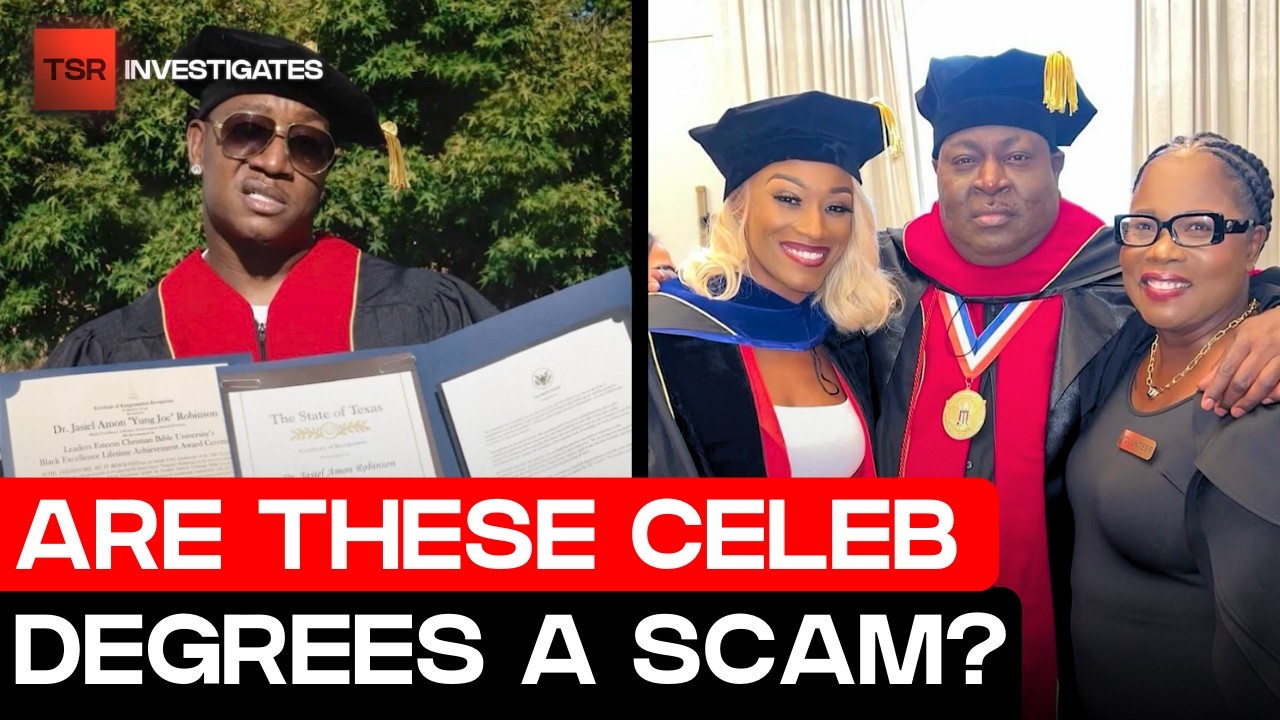
Honestly, this was unexpected but yes I was on the Shade Room. Three months ago, I wrote a story about Celebrities getting Honorary Degrees and how Rapper Young Joc, Reality Stars Cynthia Bailey and Towanda Braxton are receiving their honorary doctorates and accepting their titles from this so-called bible christian university.
By Gladys W. Muturi2 days ago in Interview

Comments
There are no comments for this story
Be the first to respond and start the conversation.