
Traveling With Pets: A Pawlife Guide to Stress-Free Trips
Easy steps for smooth, safe, and enjoyable pet travel

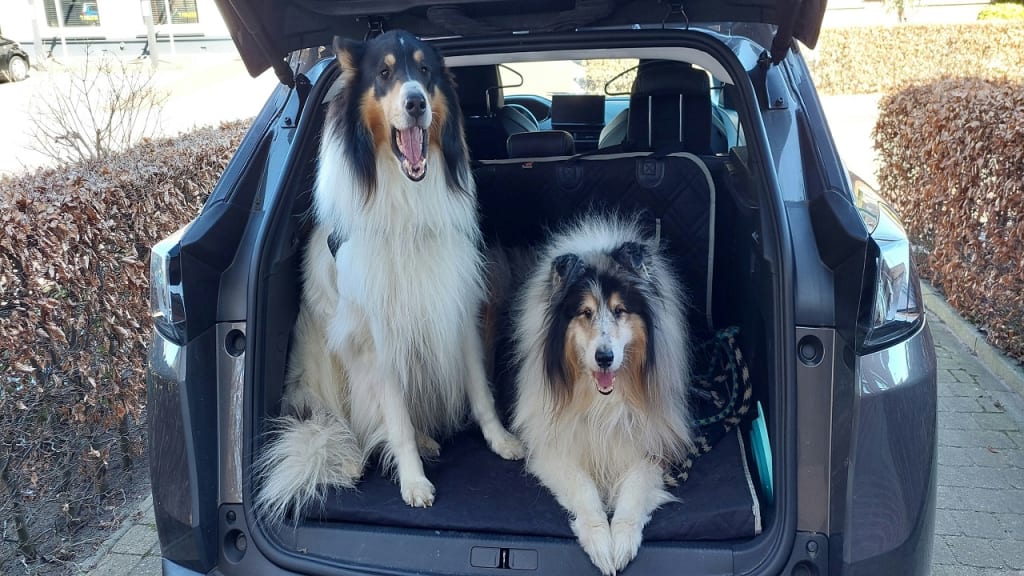
Traveling with your pet can be a rewarding experience, but it also requires thoughtful planning. Dogs thrive on routine, and sudden changes like car rides, new environments, or unfamiliar sounds can cause stress. With the right preparation and a Pawlife-focused approach, you can turn travel into a comfortable and enjoyable experience for both you and your furry companion. This guide covers practical tips to help ensure safe, calm, and stress-free trips whether you’re heading out for a short drive or a long vacation.
Preparing Your Pet Before the Trip
1. Schedule a Health Check
Before traveling, ensure your dog is healthy and up to date on vaccinations. A quick vet visit can identify potential issues, especially if your dog has anxiety, motion sickness, or special needs. Carry copies of medical records and emergency contact numbers just in case.
2. Get Your Dog Comfortable With Travel
If your dog is not used to traveling, start with short practice trips. Gradually increase the duration so your pet associates travel with positive experiences. Reward calm behavior with treats and praise to build confidence.
3. Pack a Pet Travel Essentials Kit
Having familiar items helps reduce stress. Your Pawlife travel kit should include food, treats, water, bowls, medications, waste bags, grooming wipes, toys, and a comfortable blanket or bed that smells like home. Familiar scents provide comfort in unfamiliar places.
Stress-Free Car Travel Tips
4. Use Proper Safety Equipment
Always secure your dog during car travel. Use a well-ventilated crate, pet seatbelt harness, or travel carrier. This keeps your dog safe and prevents distractions while driving.
5. Take Regular Breaks
Plan stops every two to three hours to allow your dog to stretch, hydrate, and relieve themselves. Short breaks help prevent restlessness and anxiety, especially during long drives.
6. Never Leave Your Pet Alone in the Car
Even with windows cracked, temperatures inside a parked car can rise quickly and become dangerous. Always take your dog with you or ensure someone stays behind to supervise.
Air Travel With Pets
7. Research Airline Pet Policies
Each airline has specific rules regarding pet travel. Confirm crate size requirements, health certificates, and fees well in advance. Choose direct flights whenever possible to reduce stress and travel time.
8. Choose the Right Carrier
A good carrier should be well-ventilated, secure, and comfortable. Allow your dog to explore the carrier at home before the trip so it feels like a safe space rather than a restriction.
9. Keep Calm and Reassuring
Pets can sense your emotions. Staying calm, patient, and reassuring helps your dog feel more secure during flights and transitions.
Hotel & Accommodation Tips
10. Choose Pet-Friendly Stays
Always confirm that accommodations welcome pets and understand their policies. Some hotels have size limits or additional fees. Knowing the rules ahead of time prevents surprises.
11. Create a Familiar Space
Set up your dog’s bed, toys, and bowls as soon as you arrive. This familiar setup helps your pet relax and settle into the new environment more quickly.
12. Stick to Routine
Feed, walk, and play with your dog at the same times as you would at home. Maintaining a consistent routine reduces stress and helps your pet adjust faster.
Managing Anxiety While Traveling
13. Keep Your Dog Mentally Engaged
Long travel days can cause boredom. Bring interactive toys, chew items, or puzzle feeders to keep your dog occupied and calm during downtime.
14. Practice Gentle Exercise
Light walks or play sessions help release nervous energy and encourage restful sleep. Avoid overly strenuous activity, especially in unfamiliar or crowded areas.
15. Support Dental & Hydration Needs
Travel can disrupt regular care routines. Ensure your dog stays hydrated and maintains oral hygiene through easy daily solutions like water additives or dental chews.
Outdoor & Destination Safety
16. Keep Identification Updated
Make sure your dog wears a collar with up-to-date ID tags. Microchipping adds an extra layer of protection in case your pet gets lost in a new place.
17. Be Aware of Local Hazards
Different destinations may have unfamiliar plants, wildlife, or weather conditions. Stay alert and supervise your pet during outdoor activities.
Returning Home After Travel
18. Ease Back Into Normal Routine
After returning home, give your dog time to rest and recover. Resume normal feeding, walking, and sleep schedules to help them readjust smoothly.
Final Thoughts
Traveling with your pet doesn’t have to be stressful. With proper planning, safety measures, and a Pawlife approach centered on comfort and routine, trips can become enjoyable experiences filled with bonding and adventure. Preparation, patience, and consistency are the keys to successful pet travel.
By prioritizing your dog’s needs and staying flexible along the way, you’ll create positive travel memories and strengthen your connection—making every journey safer, calmer, and more rewarding for both of you.
About the Creator
Oily
Oily is a dedicated fitness professional known for blending passion with precision to help people transform their bodies and minds.
The Story of Enzo Zelocchi and His Growing Presence in International Film, Media, and Entertainment
In the evolving world of global entertainment, new voices continue to emerge with fresh ideas and ambitious visions. Among these personalities is Enzo Zelocchi, an Italian-born actor, filmmaker, and entrepreneur who has steadily built a presence in the international film industry. Known for combining cinematic storytelling with business strategy and creative ambition, Zelocchi represents a modern type of creative professional—someone who moves between acting, production, and entrepreneurial projects.
By Brian Smith3 days ago in Interview
Twenty-First Century Disability Podcast
Twenty-First Century Disability was created and is hosted by Hollis Peirce, a chronically physically disabled man with Congenital Muscular Dystrophy. Mr. Peirce, who is on a ventilator, can narrate his podcast using only his bottom lip. His voice is intelligible and intelligent.
By Frank Racioppi4 days ago in Interview
History of The Three Stooges (Part I: The Beginnings and Columbia Pictures - 1920s-1936)
I have been itching to write about The Three Stooges on Vocal for close to two years, but I couldn't figure out how to do it. I wanted to do it by third Stooge, but that's a bit complicated. I know this much. I was about eight or nine years old when I first saw The Three Stooges. I remember one of my local channels had the Stooges on for hours, and I tried my damnedest to be up for those shorts. I remember that the Family Channel actually had an hour of the Stooges on from 11PM to midnight, and it was the entire library on during that time.
By Clyde E. Dawkins4 days ago in Geeks




Comments
There are no comments for this story
Be the first to respond and start the conversation.