
Transforming Your Military Experience into a Standout Civilian Resume
Key Strategies for Translating Military Skills to Civilian Roles
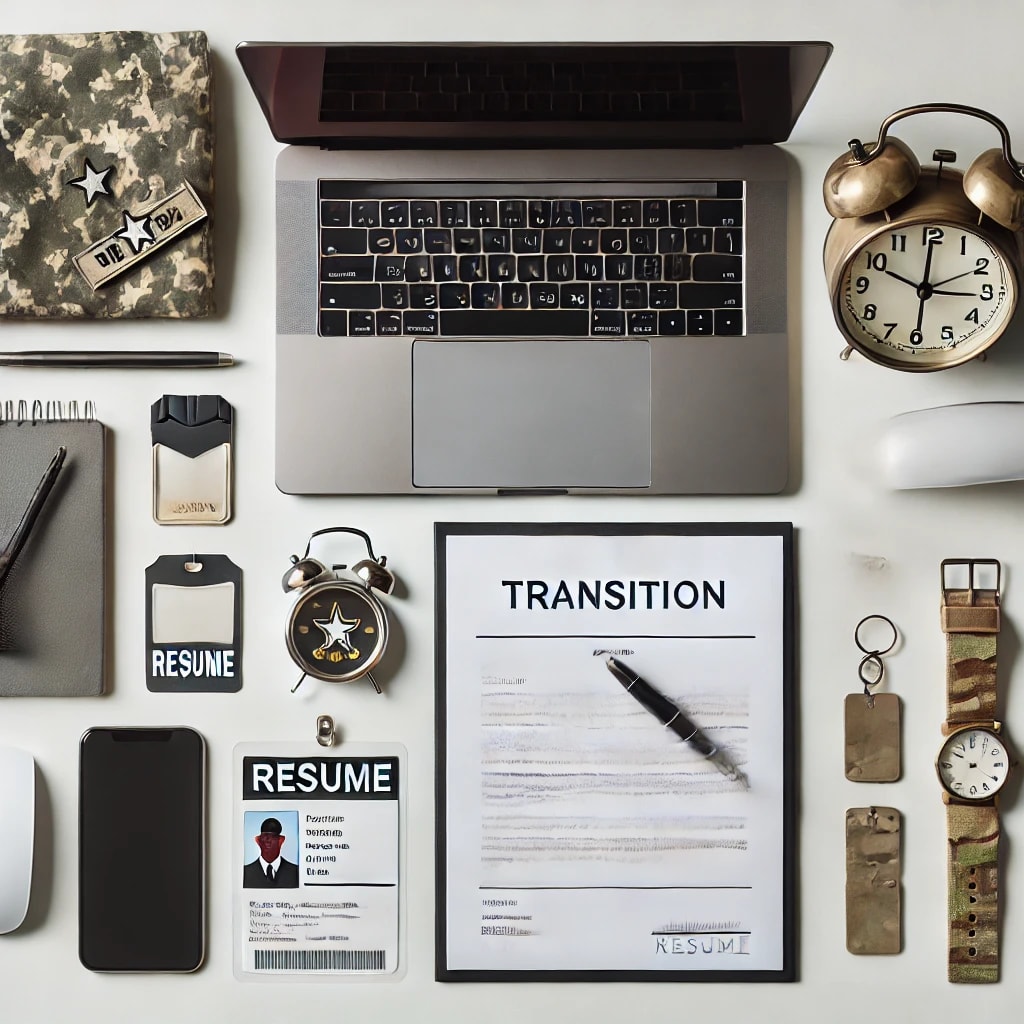
Transitioning from a military career to the civilian workforce can be both exciting and challenging. One of the biggest hurdles is effectively translating your military experience into a resume that resonates with civilian hiring managers. While your military experience speaks to discipline, leadership, and dedication, it’s crucial to reframe these qualities in a way that aligns with civilian job requirements. This article serves as a companion to this previously created blog on Military Resume Writing, providing further insights into crafting a resume that highlights your skills, achievements, and adaptability.
Why a Military Resume Needs to Be Reframed for Civilian Audiences
Military resumes often contain specialized terms, acronyms, and roles unfamiliar to civilians. While these details are invaluable within a military context, they may confuse civilian recruiters who don’t have the same background. Therefore, the goal is to translate your military skills into relatable, job-ready competencies.
For example, instead of referring to specific military jargon, describe your experiences in terms of project management, team leadership, operations coordination, or logistics management—terms commonly understood in civilian industries.
Key Sections to Include in Your Military-to-Civilian Resume
A civilian resume typically has sections that are straightforward, but you may need to adjust them slightly to convey your military experience effectively:
Professional Summary: Begin with a brief summary that highlights your most transferable skills and achievements. Focus on qualities such as leadership, strategic planning, and problem-solving, which are valuable in virtually any field.
Skills: List both your technical and soft skills, using language relevant to civilian roles. For example, instead of listing “Mission Planning,” consider using “Project Planning” or “Strategic Operations.”
Experience: This section requires the most significant adaptation. Instead of listing your military roles and ranks, highlight your duties and accomplishments in ways that align with civilian job descriptions.
Education and Certifications: Include your educational background and any military or civilian certifications that are relevant to the roles you’re pursuing. Specialized military training can often be valuable in civilian jobs, particularly in fields like logistics, IT, and security.
Tips for Tailoring Your Military Experience for Civilian Job Applications
Here are some advanced strategies to make your military resume accessible and compelling to civilian hiring managers:
1. Translate Military Terminology into Civilian-Friendly Language
One of the most important steps is translating military-specific language into terminology that hiring managers will understand. For example:
Military Rank Structure → "Team Leadership" or "Project Coordination"
Mission Briefings → "Project Planning Meetings"
Security Clearance → “High-Level Security Access”
Focus on describing your role and achievements in universal terms that demonstrate your adaptability and readiness for civilian roles.
2. Emphasize Transferable Skills and Achievements
Military experience is rich with transferable skills, including leadership, critical thinking, adaptability, and resilience. Showcase examples where you led teams, managed resources, or developed strategic plans. If you received commendations, consider framing these as recognitions of your leadership and dedication.
3. Highlight Your Problem-Solving Abilities
Problem-solving is a key skill in both military and civilian roles. Consider examples from your military experience where you analyzed complex situations, developed strategies, or resolved issues under pressure. These stories resonate well with hiring managers seeking reliable, solution-oriented professionals.
4. Leverage Your Cross-Functional Experience
Military personnel often collaborate across departments or work in multi-disciplinary teams, a valuable experience in civilian workplaces. Highlight instances where you coordinated with other units, handled interdepartmental projects, or worked in diverse environments. Such experiences demonstrate your adaptability and collaborative skills.
5. Include Quantifiable Results
Whenever possible, use metrics to show the impact of your work. Quantifying achievements—such as managing a team of X personnel, reducing costs by Y%, or overseeing assets worth $Z—gives civilian employers a tangible sense of your contributions.
Mistakes to Avoid in a Military-to-Civilian Resume
When crafting your resume, avoid these common pitfalls that may hinder your chances:
Overloading with Military Jargon: Civilian recruiters may not understand military-specific terms. Aim to use language and descriptions that are accessible and applicable to the job.
Focusing Too Much on Military Ranks: Civilian employers value experience over rank. Emphasize skills and results instead of military titles or ranks that may be unfamiliar or irrelevant in the civilian sector.
Neglecting Soft Skills: While technical skills are essential, soft skills such as communication, teamwork, and adaptability are equally important in civilian roles.
Making Use of AI to Refine Your Resume
As a transitioning military professional, using AI-based tools can simplify the resume-building process, especially when it comes to converting your experience into civilian language. This AI resume builder is designed to help you create a resume that highlights your unique strengths and aligns them with civilian job standards. The tool offers suggestions for rephrasing military roles and skills in ways that resonate with civilian hiring managers, ensuring your resume is optimized for today’s job market.
Transitioning to a civilian career involves reimagining how you present your military experience to appeal to a new audience. By focusing on transferable skills, adapting language, and emphasizing results, you can craft a resume that stands out in the civilian job market. For additional support in refining your resume, tools like the AI Resume Builder can provide invaluable assistance in transforming your military background into a compelling civilian resume.
Taking the time to carefully translate your military skills into civilian-friendly language will ensure your resume communicates your value effectively, helping you to make a successful transition into your new career path.
About the Creator
Keep reading
More stories from Thomas M.A and writers in Interview and other communities.
Building a Standout Finance Resume: Key Tips Beyond Templates
Finance professionals often operate in a highly competitive environment, where every detail on a resume matters. While templates are helpful, creating a resume that truly resonates with recruiters requires going beyond mere formatting. This article explores advanced strategies to elevate your finance resume, serving as a continuation to this blog on Finance Resume Templates. Here, we’ll discuss elements to help you stand out, tips for showcasing your unique value, and insights into tailoring your resume for specific finance roles.
By Thomas M.Aabout a year ago in Interview
Center Stage with Paul Stewart
*** I'm keen to republish the interviews I did for my series with Vocal creators. It's been a few years and I thought it might be nice to revisit these wonderful conversations. I'll be releasing them one at a time for a few weeks/months.
By Heather Hubler4 days ago in Interview
Five Of The Best Podcasts About Podcasting
As podcasting has grown in popularity, so has an industry dedicated to helping podcasters set an infrastructure for growth, develop a sustainable model, and, of course, make money. Since podcasts on Amazon, iHeart, and Spotify already have their sugar daddies, they’re generally not the target audience. Of course, it’s independent podcasters.
By Frank Racioppiabout 13 hours ago in Interview
The Devil's Cut
“Comrade, finally you’re awake.” The voice was smooth, sensual. A flickering incandescent bar was all that lit the white, sterile room. All Vladimir remembered was everything going black. He tried to move his arms and found them strapped to the gurney.
By Matthew J. Fromm5 days ago in Fiction




Comments
There are no comments for this story
Be the first to respond and start the conversation.