
The Rise of Interview Fraud.
How does it occur? And what can you do to combat it?

The hiring process is an integral part of any organization. It is the foundation of building a competent and reliable team that can drive the company towards success. Unfortunately, the hiring process is not immune to fraud, specifically interview fraud. Interview fraud is on the rise and has become a significant concern for employers, as it can lead to a loss of resources, time, and money. In this article, we will explore what interview fraud is, how it occurs, and what can be done to combat it.
What is Interview Fraud?
Interview fraud is a fraudulent activity that occurs during the hiring process, specifically during the interview phase. It can take several forms, including lying about qualifications, fabricating achievements, exaggerating skills and experience, providing false references, and even impersonation. Interview fraud is a significant concern for employers, as it can result in the hiring of unqualified candidates who lack the necessary skills and experience to perform the job. This can lead to a loss of resources, time, and money, and can even harm the organization's reputation.
How Does Interview Fraud Occur?
Interview fraud can occur at various stages of the hiring process. The following are some of the common methods used by candidates to commit interview fraud:
Falsifying Qualifications and Experience
One of the most common methods used by candidates to commit interview fraud is by falsifying their qualifications and experience. This can include inflating their job titles, exaggerating the responsibilities they held, and fabricating their achievements. Candidates may also claim to have attended schools or universities they never attended or earned degrees they never earned.
Providing False References
Another method used by candidates to commit interview fraud is by providing false references. Candidates may provide the contact information of friends or family members who pose as their former employers or colleagues. These individuals may provide glowing recommendations for the candidate, even though they have never worked with them.
Impersonation
Impersonation is another method used by candidates to commit interview fraud. Candidates may hire individuals to impersonate them during the interview or even use voice-changing technology to impersonate someone else. In some cases, candidates may also provide fake identification documents to support their impersonation.
Cheating on Assessment Tests
Employers often use assessment tests to evaluate candidates' skills and abilities. However, some candidates may cheat on these tests by using third-party services to take the test for them or by sharing answers with others who are taking the same test.
Combatting Interview Fraud: Techniques To Follow
Conducting Thorough Background Checks: Employers should conduct thorough background checks on all candidates to verify their qualifications, experience, and references. This can include contacting former employers and educational institutions to confirm the information provided by the candidate.
Using Assessment Tests: Employers should use assessment tests to evaluate candidates' skills and abilities. These tests should be designed to measure the specific skills required for the job and should be administered in a secure environment to prevent cheating.
Conducting Face-to-Face Interviews: Employers should conduct face-to-face interviews with candidates to assess their communication skills and to verify their identities. During the interview, employers should ask open-ended questions that require candidates to provide detailed answers that can be verified.
Training Hiring Managers: Employers should provide training to hiring managers to help them identify and combat interview fraud. This can include educating them on the various methods used by candidates to commit interview fraud and providing them with tools and resources to detect fraud.
Using Technology: Employers can also use technology to combat interview fraud. This can include using identity verification software to confirm the candidate's identity or using online proctoring services to monitor assessment tests.
Establishing Consistent Hiring Processes: Employers should establish consistent hiring processes across the organization. This can include creating job descriptions that clearly outline the qualifications required for the job, developing a standardized interview process, and ensuring that all candidates are evaluated based on the same criteria.
Clear Policies and Procedures: Employers should establish clear policies and procedures for reporting suspected interview fraud. This can include creating a dedicated reporting system and providing employees with the necessary resources to report fraud without fear of retaliation.
Using External Resources: Employers can also use external resources, such as third-party background check providers, to verify candidate information. These providers have access to databases and resources that can help uncover fraudulent activity, such as fake degrees or falsified employment history.
Verifying Candidate Identity During Virtual Interviews: Employers should take steps to verify the candidate's identity during virtual interviews, such as requesting identification documents or conducting a video call. This can help prevent candidates from using technology to impersonate someone else or having someone else sit in on the interview and answer questions on their behalf.
Encouraging Ethical Behavior: Finally, employers should foster a culture of ethical behavior within the organization. This can include providing employees with training on ethical behavior, promoting transparency and accountability, and creating a code of conduct that outlines the organization's expectations for ethical behavior.
Take Away
Interview fraud is a growing concern for employers. It can lead to the hiring of unqualified candidates, resulting in a loss of resources, time, and money. Employers must take proactive steps to combat interview fraud by conducting thorough background checks, using assessment tests, conducting face-to-face interviews, providing training to hiring managers, and using technology to verify candidates' identities and monitor assessment tests. Candidates who engage in interview fraud may find themselves in positions where they are not qualified, leading to job dissatisfaction and potentially damaging their professional reputation.
As the job market becomes increasingly competitive, the temptation for candidates to engage in interview fraud may also increase. It is essential that employers remain vigilant and take proactive steps to combat interview fraud to ensure they hire qualified candidates who can contribute to the organization's success. By doing so, employers can safeguard their resources, time, and money, and maintain their reputation as a reliable and competent organization.
About the Creator
Keep reading
More stories from Vaijanti Khurrana and writers in Interview and other communities.
5 Strategies for Getting the Technical Hiring Right
In today's technology-driven world, hiring the right technical talent is crucial for businesses to succeed. A bad hire can lead to costly delays, missed opportunities, and damaged reputations. Conversely, the right technical hire can improve productivity, enhance team dynamics, and contribute to a positive work environment. With technology advancing rapidly, businesses must stay ahead of the curve by identifying the right technical skills and finding candidates who are the right fit for their company culture. In this post, we will discuss five strategies for getting the technical hiring right, including identifying the right technical skills, streamlining the hiring process, emphasising cultural fit, utilising referrals and networking, and more. By implementing these strategies, businesses can find and hire the right technical talent and achieve long-term success in their industry.
By Vaijanti Khurrana3 years ago in Interview
Part 2 Interview With Joe Patterson, Author Of Melanin Memoirs
This is my second interview with Joe Patterson. His 4th anniversary writing on Vocal will be in March 2026. He has one achievement on Vocal, The Other Foot. He has over 17,000 reads on Vocal since he started on Vocal in 2022. Joe Patterson is very creative poet and rapper. Joe is deep thinker and I feel it is reflected in his latest published book, Melanin Memoirs.
By Mariann Carroll21 days ago in Interview
I MADE THE SHADE ROOM!!!!
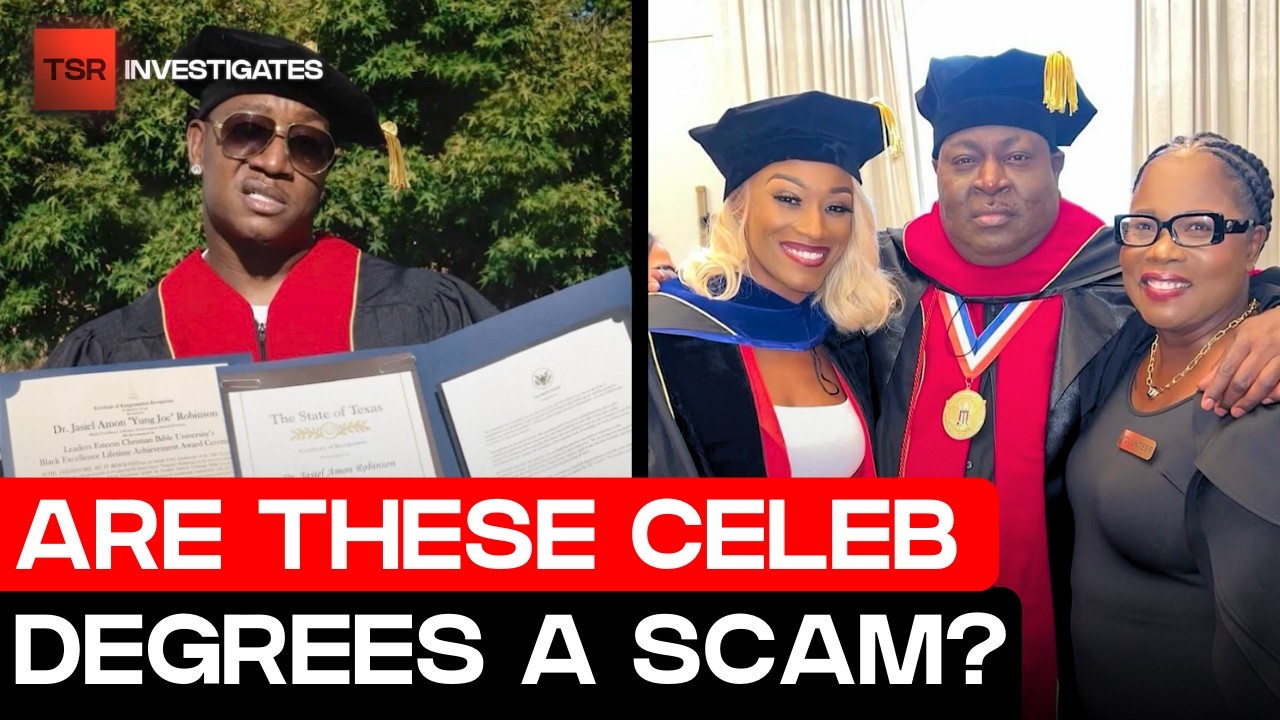
Honestly, this was unexpected but yes I was on the Shade Room. Three months ago, I wrote a story about Celebrities getting Honorary Degrees and how Rapper Young Joc, Reality Stars Cynthia Bailey and Towanda Braxton are receiving their honorary doctorates and accepting their titles from this so-called bible christian university.
By Gladys W. Muturi2 days ago in Interview



Comments
There are no comments for this story
Be the first to respond and start the conversation.