
The Impact of Social Media on Interviews and Common Reasons for Rejection
Social Media Impact on Interview
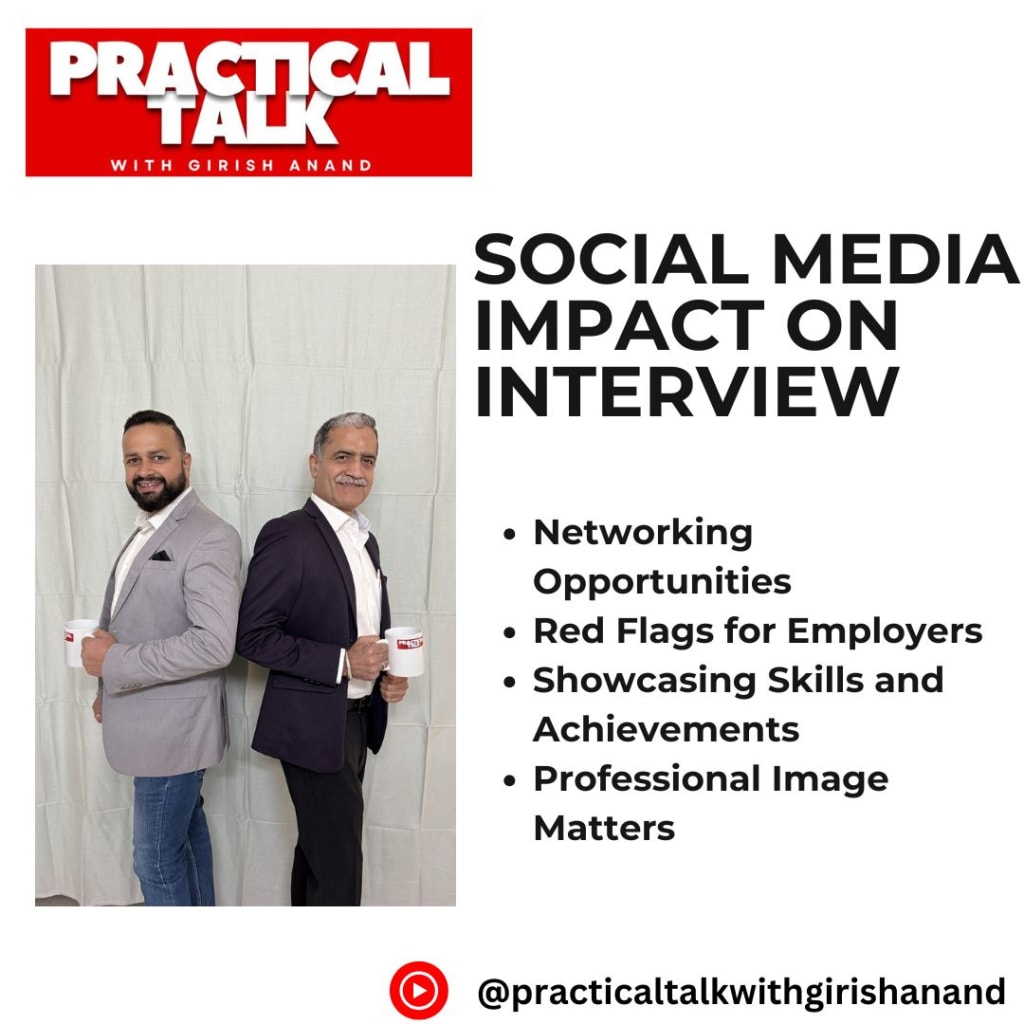
In today’s digital age, social media plays a crucial role in shaping our professional image. Employers increasingly evaluate candidates based on their online presence before making hiring decisions. While social media can be an asset in job searches, it can also lead to rejection if not managed properly. Understanding the Social Media Impact on Interview processes and the reasons for rejecting a candidate after interview can help job seekers improve their chances of success.
How Social Media Affects Job Interviews
1. Employer Background Checks on Social Media
Recruiters and hiring managers often screen candidates’ social media profiles to get insights into their personality, values, and professionalism. Platforms like LinkedIn, Twitter, Facebook and Instagram serve as an extended resume, showcasing a person’s communication skills, interests and professional activities. However, inappropriate or controversial posts can create a negative impression, leading to rejection.
2. Professional vs Unprofessional Content
While a well-maintained LinkedIn profile showcasing achievements and industry-related insights can enhance credibility, unprofessional content—such as offensive language, inappropriate images or negative remarks about previous employers—can raise red flags. Candidates must ensure their social media presence aligns with their professional image.
3. Consistency in Professional Information
Discrepancies between a resume and social media profiles can be a reason for concern. If a candidate’s LinkedIn profile contradicts their resume details regarding work experience or skills, it can create doubts about credibility. Maintaining consistency in professional details across platforms is essential.
4. Engagement and Networking
A strong social media presence can be beneficial if candidates engage with industry-related content, participate in discussions and share relevant insights. Active networking on professional platforms demonstrates enthusiasm and knowledge, making a positive impact during the hiring process.
5. Privacy Settings and Online Behavior
Candidates must be cautious about what they share publicly. Even if certain posts are meant to be personal, inappropriate content may still be accessible to employers. Using privacy settings wisely while maintaining a positive public persona can help strike a balance between personal and professional life.
Common Reasons for Rejecting a Candidate After an Interview
Even if a candidate’s social media presence is strong, there are several reasons for rejecting a candidate after interview. Employers assess not only technical skills but also attitude, communication and cultural fit. Below are common reasons candidates face rejection after an interview:
1. Lack of Preparation
One of the biggest turn-offs for interviewers is a lack of preparation. If a candidate is unfamiliar with the company, its values or the job role, it shows a lack of seriousness. Researching the organization, understanding job requirements and preparing well for common interview questions are essential for making a strong impression.
2. Poor Communication Skills
Effective communication is crucial in any job role. Candidates who struggle to articulate their thoughts, fail to maintain eye contact or have poor body language may be perceived as lacking confidence or professionalism. Employers look for individuals who can express themselves clearly and confidently.
3. Negative Attitude or Complaining About Previous Employers
Employers seek candidates with a positive mindset and strong problem-solving skills. Speaking negatively about previous employers, colleagues or work experiences can create a negative impression. Hiring managers prefer professionals who focus on growth and solutions rather than complaints.
4. Mismatch in Skills and Experience
Even if a candidate performs well in an interview, they may still be rejected if their skills and experience do not match the job requirements. Sometimes, job descriptions evolve and employers prioritize candidates who align better with their current needs.
5. Overconfidence or Arrogance
Confidence is essential, but overconfidence or arrogance can be a dealbreaker. Candidates who appear dismissive, interrupt the interviewer or exaggerate their abilities may come across as difficult to work with. A balanced, humble approach is always more appealing.
6. Lack of Enthusiasm for the Role
Employers prefer candidates who show genuine interest in the job. If a candidate seems disinterested, asks no questions or fails to express enthusiasm, the interviewer may assume they are not fully committed to the role. Showing passion and eagerness can significantly improve hiring chances.
7. Unprofessional Appearance or Behavior
First impressions matter. Dressing inappropriately, arriving late or using unprofessional language can hurt a candidate’s chances. Employers value individuals who present themselves well and follow professional etiquette.
8. Failure to Ask Questions
An interview is a two-way process. Candidates who do not ask relevant questions about the company or role may appear uninterested. Asking thoughtful questions demonstrates curiosity and a willingness to learn.
9. Inability to Handle Pressure or Criticism
Some interviews include challenging questions to assess how candidates react under pressure. If a candidate becomes defensive or struggles to handle constructive criticism, it may indicate they lack resilience. Employers look for individuals who can adapt and respond positively to feedback.
How to Improve Your Chances of Success
To avoid rejection and create a strong professional image, follow these key strategies:
- Optimize Social Media Presence: Keep profiles professional, engage in industry-related discussions and ensure consistency across platforms.
- Prepare Thoroughly: Research the company, practice interview questions and develop clear responses.
- Improve Communication Skills: Work on verbal and non-verbal communication, confidence and clarity.
- Show Enthusiasm: Express genuine interest in the role and company.
- Maintain Professionalism: Dress appropriately, arrive on time and display a positive attitude.
Conclusion
In today’s digital world, the social media impact on interview processes is undeniable. While it can be a tool for personal branding and networking, it can also lead to rejection if misused. Additionally, understanding the reasons for rejecting a candidate after interview can help job seekers improve their approach and increase their chances of success. By managing your social media presence wisely and preparing effectively, you can make a lasting impression on potential employers and land your dream job.
About the Creator
Keep reading
More stories from Girish Anand and writers in Interview and other communities.
Mastering Group Discussions: Essential Tips for Success
Group discussions are an integral part of the selection process in many job interviews and academic admissions. They help assess communication skills, teamwork, leadership and analytical thinking. Whether you are a fresher or a professional, following the right Group Discussion Tips can enhance your performance and increase your chances of selection.
By Girish Anand11 months ago in Interview
Center Stage with Paul Stewart
*** I'm keen to republish the interviews I did for my series with Vocal creators. It's been a few years and I thought it might be nice to revisit these wonderful conversations. I'll be releasing them one at a time for a few weeks/months.
By Heather Hubler3 days ago in Interview



Comments
There are no comments for this story
Be the first to respond and start the conversation.