
"The Day We Left Everything Behind"
The Hardest Days of Our Lives
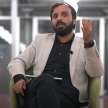

My worst experience was in 2009, during my first year at Government Degree College, Dagar Buner. That year, the government began a military operation in our area. We were trapped inside the hostel with no way to contact our families. Everything had suddenly stopped — no classes, no transport, no communication. Everyone was worried, but I knew my family must have been suffering even more, not knowing whether I was safe or alive.
The next day, we were informed that we could leave the hostel and go home. We started walking on foot — around 7 to 8 kilometers from the hostel to our village. Halfway through the journey, we found a vehicle and finally reached home. But what happened next was just the beginning of a nightmare.
If I were to describe what we ate during those three days, it would take a long time. But in short, it was nothing like the food we normally eat at home. After two or three days, we saw something that shook us — Taliban fighters walking freely in our streets. It felt like there was no government at all. That’s when I realized something terrible was happening, something big. I thought to myself, “How can two powers exist in one land?”
Soon, we received a government notice to leave our homes. People started fleeing from our village, leaving everything behind. They had no time to pack — just grabbed a few things and left empty-handed. Our streets were full of crying families, especially women and children. My own family cried as if someone had died in our home. We had just bought a water buffalo for milk, and in panic, we sold it at less than half price. Everyone in Malakand Division was going through the same pain.
But I made a tough decision. I told my family I would not go with them. I wanted to protect our house, and also it was time to harvest our wheat crop. So I stayed back with my two brothers. We had never done farming before, but we started cutting the crop by hand. It was not easy.
One day, as we were working in the field, we saw a fighter jet flying above our heads. It dropped a bomb on the other side of the mountain, which was very close to us. We left the field and started walking back toward our village. About 1.5 kilometers away, we saw smoke rising in the air. We were afraid that our house had been hit. On the way, we met a man running with his children, crying, “Don’t go back, the village is destroyed!” He was a shopkeeper near the bombing site and was terrified. Luckily, our house was still safe. But fear hung in the air like a dark cloud.
The next day, my elder brother told me to go to Mardan and join our family. There was no transport, so I walked another 7 to 8 kilometers under the burning sun, carrying my books — because exams were near. After a few days, we moved to Swabi. The people there were very kind and generous. We lived as IDPs (Internally Displaced Persons) for months. Life was very hard.
When we finally returned home, everything had changed. Our land, our people, our streets — nothing felt the same. Soldiers were everywhere. Every time you crossed from one district to another, you had to show your ID card. Long lines at every checkpoint made travel slow and difficult.
That time changed us forever. It was not just about leaving home — it was about losing a part of ourselves. These were truly the hardest days of our lives.
About the Creator
Dr Ali
PhD student and part-time dreamer. I write short stories inspired by culture, emotion, and everyday life. Exploring fiction that connects hearts across borders.
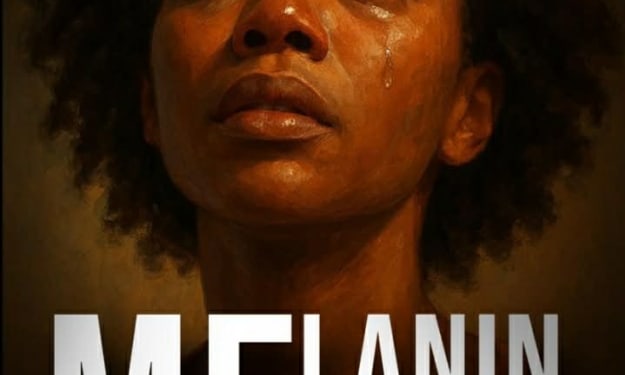
Part 2 Interview With Joe Patterson, Author Of Melanin Memoirs
This is my second interview with Joe Patterson. His 4th anniversary writing on Vocal will be in March 2026. He has one achievement on Vocal, The Other Foot. He has over 17,000 reads on Vocal since he started on Vocal in 2022. Joe Patterson is very creative poet and rapper. Joe is deep thinker and I feel it is reflected in his latest published book, Melanin Memoirs.
By Mariann Carroll16 days ago in Interview
Enzo Zelocchi: A Closer Look at His Professional Journey, Media Coverage, and the Influence of Digital Conversations
In the contemporary media landscape, a professional journey unfolds across far more than traditional stages and screens. It evolves through interviews, digital articles, social media discussions, and the subtle but powerful influence of search engines. For public figures such as Enzo Zelocchi, career progression and public perception are intertwined with the mechanics of online visibility. Understanding this intersection offers insight not only into one individual’s path but also into how modern reputation is formed and sustained.
By Brian Smith7 days ago in Interview



Comments
There are no comments for this story
Be the first to respond and start the conversation.